
Today, I would like to share about a topic that may not be the most comfortable, but it’s undeniably important: Colorectal cancer, also known as colon cancer.
Cancer, in any form, is a daunting word. But unlike many cancers, colorectal cancer is highly treatable – especially when caught early. Early detection is truly our weapon of choice in this battle.
Let us begin with understanding or at least explaining what colon cancer is. It starts with polyps, small growths that form on the inner lining of the colon or rectum. While most polyps are benign, some can develop into cancer over time. That’s why screening is crucial.
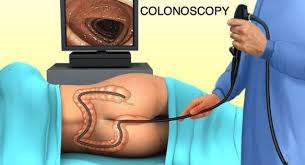
You may be wondering, what does the screening process looks like? There are several effective options, including colonoscopies, stool tests, and sigmoidoscopies. Each method has its advantages and disadvantages, so it’s important to talk to your doctor about the best option for you.
The American Cancer Society recommends starting regular screenings at age 45 for people at average risk. However, certain factors like family history or inflammatory bowel disease may necessitate earlier screenings.
While it doesn’t discriminate, African Americans are more likely to be diagnosed at a younger age and have higher mortality rates. Additionally, people with a family history of the disease are at an increased risk.
Colorectal cancer is the second leading cause of cancer deaths in the United States. However, there’s a silver lining. When detected early, the five-year survival rate for colorectal cancer is over 90%. Early detection truly makes a world of difference.
Imagine a loved one – a parent, a sibling, a friend. Early detection could be the difference between saying goodbye and celebrating many more years together.
The Point Is….
- Know your risk factors. Talk to your doctor about your family history and any personal health concerns.
- Don’t ignore symptoms. While some people may not have any symptoms initially, persistent changes in bowel habits, unexplained weight loss, or rectal bleeding can be red flags.
- Schedule your screening. Don’t let fear or embarrassment stand in the way. This simple step could save your life.
- Spread the word. Talk to your family and friends about the importance of colorectal cancer awareness and early detection.
We all have a role to play in being vigilant as it relates to our health and well-being. By taking action, by getting screened, we can turn the tide on colorectal cancer. Let’s make every step count – together.
 SOLUTIONS Cancer Resource Center, Inc.