
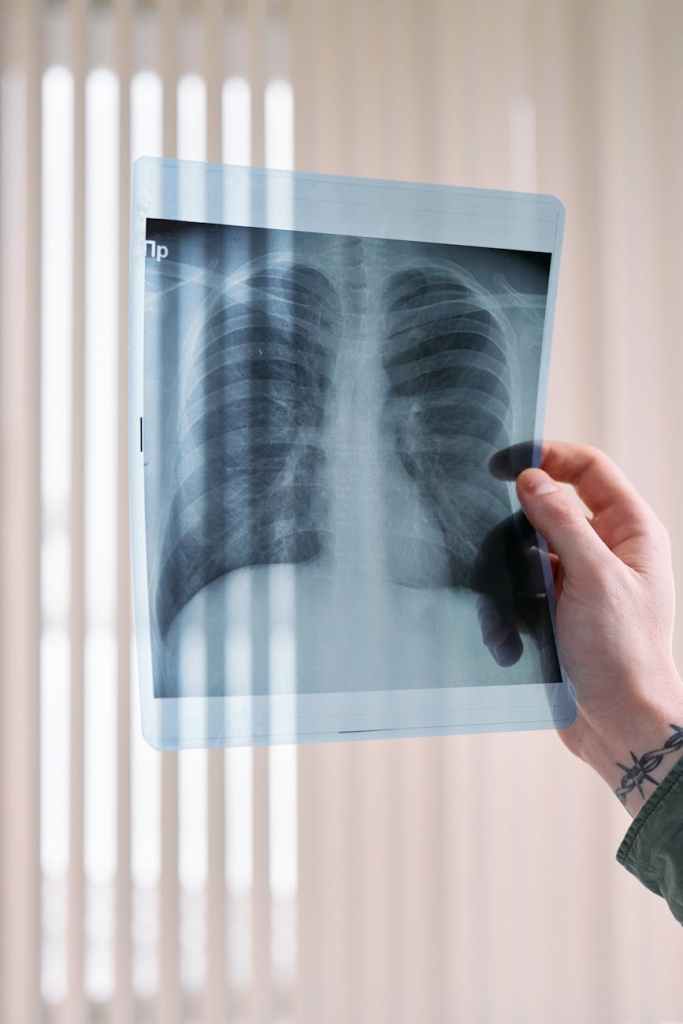
Today, as we observe World Lung Cancer Day, it is imperative to shed light on this formidable disease. Lung cancer, often insidious in its onset, remains a leading cause of cancer-related deaths globally. The disease disproportionately affects specific demographics, underscoring the importance of targeted prevention and early detection efforts.
Symptoms of lung cancer can be subtle and often mimic those of common ailments, making early detection a challenge. A persistent cough, chest pain, shortness of breath, and blood in sputum are among the most common indicators. However, it’s crucial to remember that these symptoms can also be attributed to other conditions. Therefore, regular check-ups and prompt medical attention for any persistent or unusual symptoms are vital.

Smoking remains the primary risk factor for lung cancer. Yet, it’s essential to dispel the myth that only smokers are at risk. Exposure to secondhand smoke, radon, asbestos, and certain chemicals can also increase the likelihood of developing this disease. This underscores the importance of comprehensive public health strategies to address both smoking cessation and environmental factors.
Treatment options for lung cancer have advanced significantly in recent years, including surgery, chemotherapy, radiation therapy, targeted therapy, and immunotherapy. Early detection significantly improves the chances of successful treatment. Therefore, raising awareness, promoting early screening, and encouraging healthy lifestyle choices are critical steps in combating this deadly disease.

World Lung Cancer Day serves as a poignant reminder of the importance of prioritizing lung health. By understanding the risks, recognizing the symptoms, and advocating for early detection, we can work towards a future where lung cancer is no longer a leading cause of death.
*References:
World Health Organization. (n.d.). Lung cancer. Retrieved from https://www.who.int/news-room/fact-sheets/detail/lung-cancer
American Cancer Society. (n.d.). Lung Cancer. Retrieved from https://www.cancer.org/cancer/types/lung-cancer/about.html
National Cancer Institute. (n.d.). Lung Cancer Treatment (PDQ®)–Patient Version. Retrieved from https://www.cancer.gov/types/lung/hp
 SOLUTIONS Cancer Resource Center, Inc.