Every Step Counts: Early Detection Saves Lives in Colorectal Cancer

Photo by Anna Tarazevich

Today, I would like to share about a topic that may not be the most comfortable, but it’s undeniably important: Colorectal cancer, also known as colon cancer.

Cancer, in any form, is a daunting word. But unlike many cancers, colorectal cancer is highly treatable – especially when caught early. Early detection is truly our weapon of choice in this battle.

Let us begin with understanding or at least explaining what colon cancer is. It starts with polyps, small growths that form on the inner lining of the colon or rectum. While most polyps are benign, some can develop into cancer over time. That’s why screening is crucial.
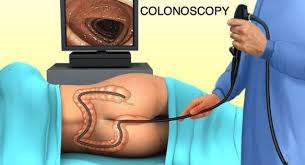
You may be wondering, what does the screening process looks like? There are several effective options, including colonoscopies, stool tests, and sigmoidoscopies. Each method has its advantages and disadvantages, so it’s important to talk to your doctor about the best option for you.

The American Cancer Society recommends starting regular screenings at age 45 for people at average risk. However, certain factors like family history or inflammatory bowel disease may necessitate earlier screenings.
Photo by Tara Winstead

While it doesn’t discriminate, African Americans are more likely to be diagnosed at a younger age and have higher mortality rates. Additionally, people with a family history of the disease are at an increased risk.

Colorectal cancer is the second leading cause of cancer deaths in the United States. However, there’s a silver lining. When detected early, the five-year survival rate for colorectal cancer is over 90%. Early detection truly makes a world of difference.

Imagine a loved one – a parent, a sibling, a friend. Early detection could be the difference between saying goodbye and celebrating many more years together.

The Point Is….

  • Know your risk factors. Talk to your doctor about your family history and any personal health concerns.
  • Don’t ignore symptoms. While some people may not have any symptoms initially, persistent changes in bowel habits, unexplained weight loss, or rectal bleeding can be red flags.
  • Schedule your screening. Don’t let fear or embarrassment stand in the way. This simple step could save your life.
  • Spread the word. Talk to your family and friends about the importance of colorectal cancer awareness and early detection.

We all have a role to play in being vigilant as it relates to our health and well-being. By taking action, by getting screened, we can turn the tide on colorectal cancer. Let’s make every step count – together.


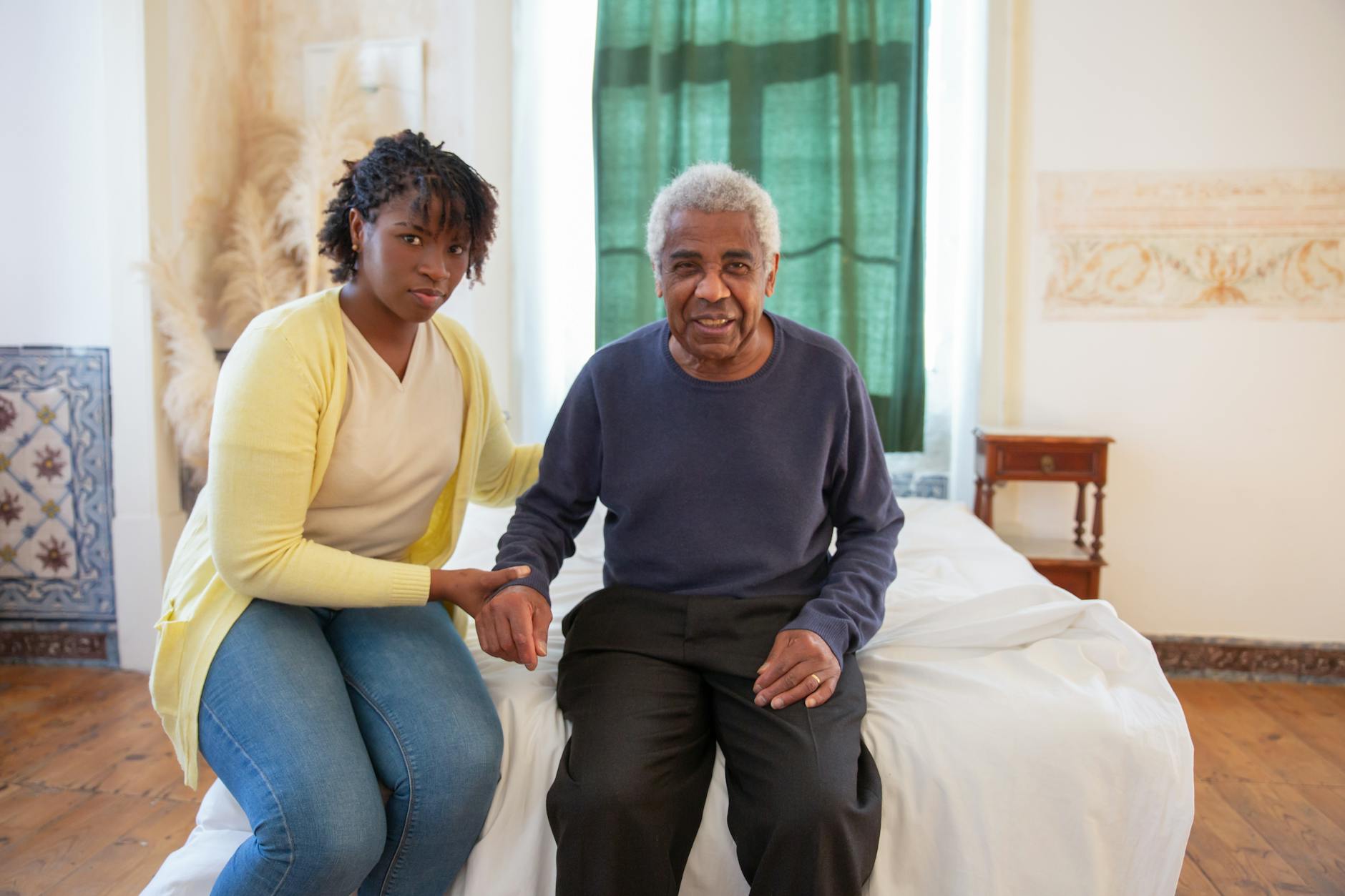
Caregivers – You Are Appreciated!

In the grand orchestra of life, their instruments are often silent, their melodies subtle, yet their impact resonates through the ages. They are the caregivers, the quiet warriors who stand beside us, holding hands and whispering encouragement through life’s storms. Today, we raise our voices in appreciation, singing a hymn to their unwavering dedication.

Caregivers are not defined by a title or a profession. They are mothers and fathers, daughters and sons, spouses and friends, neighbors and strangers. They are the lighthouse keepers in the storms of illness, the steady hands guiding through darkness, the unwavering hearts offering solace in despair.

Their days are rarely filled with applause or accolades. They rise before dawn, their bodies heavy with the weight of responsibility, yet their spirits kindled by a love that knows no bounds. They bathe, feed, and comfort, offering not just physical care but also emotional support, a listening ear, and a quiet strength that whispers, “You are not alone.”

Their nights are often fragmented, punctuated by the cries of need, the anxieties of their loved ones mirrored in their own hearts. Yet, they rise again, fueled by an unwavering dedication, their exhaustion a badge of honor worn silently, their love a shield against fatigue.

Caregivers are witnesses to the fragility of life, the bittersweet dance of joy and sorrow. They hold hands with those who walk through the valley of the shadow, their presence a beacon in the darkness, their love a testament to the enduring power of the human spirit.

But caregivers are not just givers; they are also receivers. They receive the love and gratitude that shines through the eyes of their loved ones, the unspoken words that speak volumes of appreciation. They receive the strength that comes from knowing they are making a difference, that they are weaving threads of hope into the lives they touch.

So, today, let us pause and celebrate these unsung heroes. Let us acknowledge the sacrifices they make, the burdens they carry, and the love they pour out so generously. Let us offer our thanks, our support, and our understanding, for they are the silent anchors in our lives, the quiet heroes who remind us of the true meaning of love and compassion.

This hymn is for them, the unsung heroes who walk beside us, reminding us that even in the darkest hours, the human spirit can shine brightly. Thank you, caregivers. You are the light that guides us through life’s journey.

Resources

Find support through these organizations

The National Alliance for Caregiving https://www.caregiving.org

Family Caregiver Alliance: National Center on Caregiving https://www.healthinaging.org/tools-and-tips/family-caregiver-alliance-national-center-caregiving

National Family Caregivers Association https://caringcommunity.org/resources/models-research/national-family-caregivers-association-nfca/

American Caregiver Association https://americancaregiverassociation.org/

The Enigma of Triple Negative Breast Cancer: Unveiling the Challenges and Hope

The clinking of glasses and warm laughter filled the air as we settled at the dining table, catching up with friends we hadn’t seen in years. The aroma of food swirled around us, promising a delicious culinary adventure. The conversation flowed effortlessly, weaving between lighthearted anecdotes and lively discussions about current events. It was a typical Saturday night, filled with the comforting familiarity of good company and shared laughter. Little did we know, the evening would take an unexpected turn, forever etching a poignant memory in our hearts. As the conversation drifted towards personal updates, the wife of the other invited couple, a woman radiating warmth and quiet strength, shared news that sent a ripple of shock and concern through our group. She had recently received a cancer diagnosis, a word that hung heavy in the air, triple negative breast cancer.

Triple-negative breast cancer (TNBC), a formidable foe in the battle against the disease, stands apart due to its unique characteristics and aggressive nature. Unlike other breast cancers that rely on hormones or specific proteins for growth, TNBC lacks these receptors, making it a complex opponent to diagnose, treat, and manage. This article delves into the enigmatic world of TNBC, shedding light on its challenges and offering hope for those facing it.

The Hidden Threat: Challenges in Diagnosis

Early detection is paramount in the fight against any cancer, but for TNBC, the path to diagnosis can be particularly challenging. The lack of specific receptors renders conventional hormone-based screening methods less effective. Often, TNBC presents as a more aggressive and faster-growing tumor, masking its presence until later stages. This delay in diagnosis can significantly impact treatment options and outcomes.

Symptoms: A Subtle Symphony of Change

While there is no single telltale sign, TNBC can manifest through a variety of symptoms. A lump or thickening in the breast, often firmer and more irregular than other types, is a common indicator. Other symptoms include changes in breast size or shape, dimpling or puckering of the skin, nipple retraction or inversion, and fluid discharge from the nipple. However, it is important to remember that these symptoms can also occur with other benign conditions, highlighting the crucial role of prompt medical evaluation.

Demographics: Unveiling the Disparities

TNBC disproportionately affects younger women, particularly those under 40 years old. Additionally, it occurs more frequently in Black women, Hispanic women, and women with a BRCA1 gene mutation. These disparities highlight the need for increased awareness and targeted screening programs for these vulnerable populations.

Early Detection and Mortality: A Shadowy Landscape

The aggressive nature of TNBC presents challenges in early detection, potentially impacting mortality rates. Studies suggest that while early-stage TNBC has a similar prognosis to other breast cancers, the risk of recurrence and distant metastasis is significantly higher. This underscores the importance of ongoing monitoring and early intervention even after successful treatment.

Treatment: A Tailored Approach in the Face of Adversity

Due to the lack of specific receptors, TNBC does not respond to hormone therapy or drugs targeting HER2 protein, the mainstays of treatment for other breast cancers. Chemotherapy remains the primary weapon in the fight against TNBC, often combined with surgery and radiation therapy. However, research is actively exploring new avenues, including immunotherapy and targeted therapies based on specific genetic mutations in the cancer cells.

Prognosis: Navigating Uncertainty with Hope

The prognosis for TNBC can be complex and varies depending on several factors, including stage at diagnosis, tumor characteristics, and individual response to treatment. While TNBC generally carries a higher risk of recurrence and mortality compared to other breast cancers, significant advancements in research and treatment offer renewed hope. Early detection, personalized treatment plans, and ongoing research are crucial in improving outcomes for those facing this challenging form of cancer.

Resources: A Beacon of Support

Navigating the complexities of TNBC can feel overwhelming. Fortunately, numerous resources are available to provide support and information. Some key organizations include:

By understanding the challenges and resources available, individuals facing TNBC can navigate this journey with greater knowledge, hope, and empowerment. Remember, you are not alone in this fight.

The Unexpected Start of 2024


It was the first Sunday of the New Year! Awakened by an intense pain, she knew she would not make it to church. It was much too much. She had to get to the hospital, her husband got the car. It was very early, still dark, the sun had not yet appeared. In fact, the forecast of a snow storm was expected that day. The drive to the Emergency Department brought a great sense of relief as the pain would be taken care of.

The sterile white walls of the emergency room seemed to hum with fluorescent light, amplifying the thudding rhythm of Stephanie’s heart. Her back, the culprit of her visit, throbbed a dull counterpoint. But it was the doctor’s words, echoing in the sterile air, that truly stole her breath: “Two small nodules on your lung” the words echoing in the cavernous space of her skull. Small, he’d said. But the word echoed like a thunderclap, each syllable reverberating with uncertainty.

Stephanie, ever the pragmatist, had nodded politely, the news seemingly bouncing off her carefully constructed shield of composure. She’d asked clarifying questions, her voice betraying no hint of the tremor in her hands.

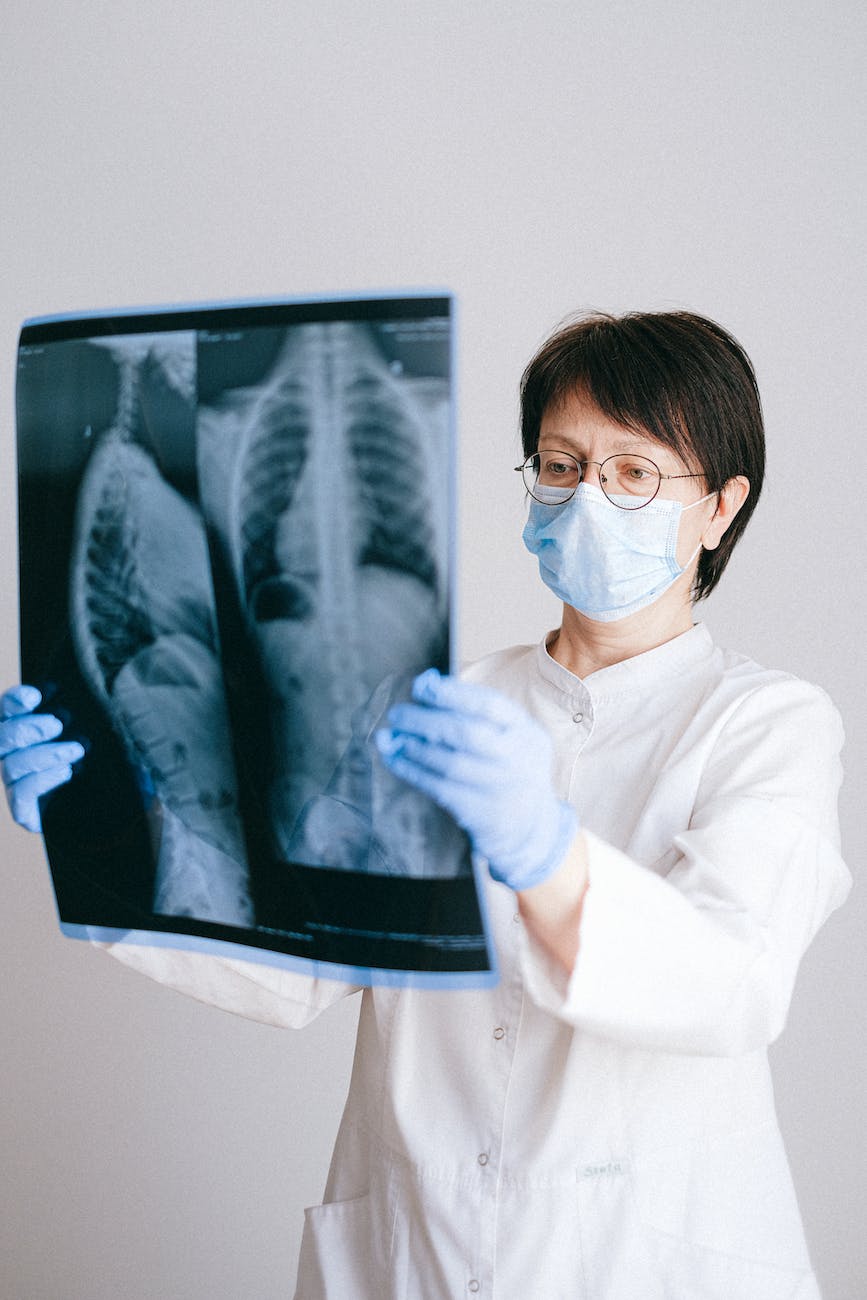
She’d come for the back pain, a nagging ache that had morphed into a sharp, unwelcome guest. But the CT scan, meant to reveal kidney stones or a pinched nerve, had unearthed something far more unsettling. Nodules. The word hung heavy, its weight threatening to crush the carefully constructed facade of calm she’d presented to the doctor.

In the quiet solitude of the examination room, the mask slipped. The ache in her back was forgotten, replaced by a chilling emptiness in her chest. Two nodules. What did they mean? Were they shadows, harmless wisps on her scan, or ominous portents of something worse?

Her mind, once a whirlwind of deadlines and errands, became a hurricane of possibilities. Images flashed, each one a grimmer echo of the last: needles glinting in sterile hands, hushed voices in sterile hallways, waiting rooms filled with the ghosts of unspoken anxieties.

The doctor’s reassurances, delivered with practiced optimism, felt like whispers in a storm. “Further tests, of course,” he’d said, “but try not to worry.” Try not to worry. Easier said than done when the future seemed to stretch before her, a vast, uncharted ocean, dotted with the treacherous reefs of “what ifs.”

She forced a smile for the nurse. The world outside seemed to have muted its colors, the vibrant reds and greens of the city park across the street replaced by a monochrome palette of fear.

The hours that followed were an eternity of waiting, of stealing glances at the clock, of replaying the doctor’s words in her head like a broken record. Each creak of the door, each hurried step in the hallway, sent her heart into a frantic dance.

But amidst the fear, a flicker of defiance. This wasn’t the end. Not yet. She would face this, this unwelcome shadow lurking in her lungs, with the same grit she’d faced every other challenge life had thrown her way.

She closed her eyes, picturing her grandmother and mother, recalling the foundation of faith, their prayers and resilience. They faced many challenges throughout their lives. “Life is a tapestry, Stephanie,” mother once said, her voice dramatically animated, “woven with threads of joy and sorrow, light and dark. But it’s up to you to choose the color of the final stitch.”

And so, Stephanie chose defiance. She would weave this thread, this dark, unexpected thread, into the tapestry of her life. It wouldn’t define her, wouldn’t erase the vibrant colors of her past or dim the possibilities of her future. It would be a challenge, a hurdle, but one she would face with courage, with hope, with the unwavering belief that even in the shadow of uncertainty, the final stitch could still be a thread of light.

As the day seemed over, the dark dreary clouds created a complete covering of the sky, as though it aligned with the unexpected news of the day. Taking a short walk to the car, still in pain, the earlier hopes of leaving the Emergency Department with some relief were dashed. Stephanie felt a shift within her. The fear was still there, a cold ember in her chest, but it was no longer the only thing she felt. There was defiance, a quiet resolve, a determination to weave this unexpected thread into a story of resilience, of facing the unknown with courage and grace.

The doctor’s referral would bring answers, some definitive, some shrouded in the grey fog of further tests. But for now, Stephanie found solace in the quiet strength that had risen within her. She would face this, she would fight, and she would, one stitch at a time, weave a tapestry of hope, even in the shadow of two small, ominous nodules.

Pancreatic Cancer: Early Detection, Symptoms, Diagnosis, Treatment, and Progress

November is Pancreatic Cancer Awareness Month, and out comes the bullhorn as I take this opportunity to be a part of the campaign. True to form, like a broken record, I share my very personal experience with the disease. It was summer, August of 2018, three days after his birthday, my brother was diagnosed with pancreatic cancer. Four weeks and four days later, he was gone.

So, what is pancreatic cancer? Pancreatic cancer is a cancer that starts in the pancreas, a gland that produces digestive enzymes and hormones. It is one of the most aggressive and deadly cancers, with a five-year survival rate of just 10%. However, early detection can improve survival rates significantly.

Early Detection

There is no specific screening test for pancreatic cancer, but there are some things that people can do to increase their chances of early detection, such as:

  • Knowing their risk factors for pancreatic cancer, which include smoking, obesity, and diabetes.
  • Being aware of the symptoms of pancreatic cancer, such as jaundice (yellowing of the skin and eyes), abdominal pain, unexplained weight loss, and back pain.
  • Seeing a doctor regularly for checkups.

Symptoms

The symptoms of pancreatic cancer can be vague and often mimic other conditions, such as gastritis or pancreatitis. This can make it difficult to diagnose early on. However, some of the most common symptoms of pancreatic cancer include:

  • Jaundice
  • Abdominal pain
  • Unexplained weight loss
  • Back pain
  • Nausea and vomiting
  • Difficulty swallowing
  • Fatigue
  • Dark urine
  • Light-colored stools

If you experience any of these symptoms, it is important to see a doctor right away.

Diagnosis

If a doctor suspects that you may have pancreatic cancer, they will likely order a number of tests, including blood tests, imaging tests, and a biopsy.

  • Blood tests can check for elevated levels of certain tumor markers, which can be a sign of pancreatic cancer.
  • Imaging tests, such as CT scans and MRIs, can create pictures of the pancreas and surrounding organs. This can help doctors to locate any tumors and assess their size and location.
  • A biopsy is a procedure in which a small sample of tissue is removed from the pancreas and examined under a microscope for cancer cells.

Treatment Options

The treatment options for pancreatic cancer depend on the stage of the cancer, the patient’s overall health, and their personal preferences. Some of the most common treatment options include:

  • Surgery is the only curative treatment for pancreatic cancer. However, not all tumors are resectable (meaning that they can be safely removed).
  • Chemotherapy uses drugs to kill cancer cells. It can be used before or after surgery, or as a standalone treatment for patients who are not eligible for surgery.
  • Radiation therapy uses high-energy beams to kill cancer cells. It can be used before or after surgery, or as a standalone treatment for patients who are not eligible for surgery.

Progress in Research

There has been significant progress in pancreatic cancer research in recent years. For example, scientists have identified new genetic markers that can help to diagnose pancreatic cancer earlier. They have also developed new drugs and treatment strategies that are showing promise in clinical trials.

Targeted therapy drugs target specific molecules that are involved in the growth and survival of cancer cells. This type of therapy is often more effective and has fewer side effects than traditional chemotherapy drugs. Furthermore, immunotherapy drugs help the body’s own immune system fight cancer cells. Immunotherapy is a relatively new type of treatment for pancreatic cancer, but it has shown promising results in clinical trials.

Resources for Patients and Families

There are a number of resources available to support patients with pancreatic cancer and their families. Some of these resources include:

  • Pancreatic Cancer Action Network (PanCAN): PanCAN is a national organization that provides support and information to patients with pancreatic cancer and their families. PanCAN also advocates for increased research funding and awareness of pancreatic cancer https://pancan.org/
  • American Cancer Society: The American Cancer Society provides a variety of resources to patients with cancer and their families, including information about cancer, treatment options, and support services https://www.cancer.org/
  • National Institute of Cancer (NCI): The NCI is a division of the National Institutes of Health that provides information and resources about cancer research and prevention https://www.cancer.gov/

Pancreatic cancer is a challenging disease, but there is hope. With early detection and treatment, more and more people are surviving pancreatic cancer. Cheers to the survivors. Prayers of hope for those who are diagnosed and are currently in treatment. Prayers of comfort for the families who have lost a loved one.

Unusual Symptoms of Cancer

Cancer is a complex disease that can affect any part of the body. It is a leading cause of death worldwide, and early detection is critical for improving survival rates. While many people are aware of the common symptoms of cancer, such as a lump, unexplained weight loss, and fatigue, there are also some unusual symptoms that can be signs of cancer.

In this article, we will discuss some of the more unusual symptoms of cancer, as well as the cancers that they may be associated with. We will also explain why these symptoms may be more likely to be caused by cancer.

Sudden hearing loss: Hearing loss can be a symptom of nasopharyngeal cancer, a type of cancer that starts in the back of the nose and throat.

Trouble swallowing: Difficulty swallowing can be a symptom of esophageal cancer, a type of cancer that starts in the food pipe.

Swelling in the legs or feet: Unexplained swelling in the legs or feet can be a symptom of kidney cancer or ovarian cancer.

Unexplained weight gain: While most people associate cancer with weight loss, some types of cancer, such as pancreatic cancer, can actually cause weight gain.

Night sweats: Night sweats can be a symptom of lymphoma, a type of cancer that starts in the lymph nodes.

Chest pain: Chest pain can be a symptom of lung cancer or breast cancer.

Trouble breathing: Shortness of breath can be a symptom of lung cancer or lymphoma.

Seizures: Seizures can be a symptom of brain cancer.

Memory problems: Memory problems can be a symptom of brain cancer or leukemia.

Changes in vision: Changes in vision, such as blurred vision or double vision, can be a symptom of brain cancer or eye cancer.

Changes in Bowel or Bladder Habits: Changes in bowel or bladder habits can be a sign of cancer in the colon, rectum, bladder, or prostate. These changes can include diarrhea, constipation, blood in the stool or urine, and frequent urination.

Skin Changes: Skin changes can be a sign of skin cancer or cancer that has spread to the skin. These changes can include a new mole, a mole that changes in size, shape, or color, or a sore that does not heal.

Fatigue: Fatigue is a common symptom of many types of cancer, but it can also be caused by other conditions. Fatigue caused by cancer is often persistent and unexplained.

It is important to see a doctor right away if you experience any of these unusual symptoms. Early diagnosis and treatment are important for improving the chances of survival for many types of cancer.

Here is a look at some additional tips for recognizing the signs and symptoms of cancer:

Be aware of your body and any changes that you notice.

Talk to your doctor about any concerns that you have.

Get regular cancer screenings, even if you don’t have any symptoms.

Early detection is key to successful cancer treatment. By being aware of the signs and symptoms of cancer and getting regular screenings, you can help increase your chances of survival.

Links for more information:

The American Cancer Society: https://www.cancer.org

The National Cancer Institute: https://www.cancer.gov

The Cancer Research UK: https://www.cancerresearchuk.org

It cannot be emphasized enough, how important it is to remember that these are just a few of the unusual symptoms of cancer. If you experience any of these symptoms, it is important to see a doctor right away to get checked out. Early diagnosis and treatment is essential for the best possible outcome for people with cancer.

The Bucket List

Photo by Suzy Hazelwood

Being diagnosed with cancer can be a life-changing event. It can bring up a lot of emotions, including fear, uncertainty, and grief. But it can also be a time to focus on what’s important in life and to make the most of the time you have.

Anna is an ambitious employee working on a project at a firm where she was sure to receive a promotion. She has sacrificed many gatherings with family and friends as she was focused on being successful. Now at 35 years old and recently diagnosed with terminal cancer – given a few years to live, she was determined to make the most of her remaining time. She had always wanted to travel, so she decided to book a trip to Europe and the Caribbean.

Her oncologist was concerned about her travels. He worried that she would be too weak to handle the long flights and the different climates. He knew that she was at risk of complications from her illness, and he worried that she would be putting herself in danger.

Anna understood his concerns, but she was determined to go on her trip. She told her oncologist that she wanted to see the world before she died. She said that she didn’t want to spend her remaining time worrying about what might happen.

The oncologist eventually agreed to let Anna go on her trip. He gave her a list of medications to take and told her to be careful.

Anna started her journey by traveling to Europe. She visited Paris, Rome, and London, and she even took a few days to go hiking in the Alps. She had the time of her life, and she made memories that she would cherish forever.

After Europe, Anna traveled to the Caribbean. She spent a week on a beach in Barbados, and she went scuba diving off the coast of St. Lucia. She even learned how to salsa dance in Puerto Rico.

Anna’s travels were a whirlwind of activity, but she never felt overwhelmed. She was determined to make the most of her time, and she refused to let her cancer get in the way of her dreams.

For many cancer patients, bucket list traveling is a way to do just that. It’s a chance to experience new things, to see the world, and to make memories that will last a lifetime.

If you’re a cancer patient who is thinking about traveling, there are a few things you’ll need to do to make sure you have a safe and enjoyable trip.

First, you’ll need to talk to your doctor about your travel plans. They can help you assess your health and determine if traveling is safe for you. They can also give you advice on how to manage your symptoms while you’re away.

Once you’ve gotten the green light from your doctor, you can start planning your trip. Here are a few things to keep in mind:

  • Choose a destination that is within your physical limits. If you’re not up for long walks or strenuous activities, you might want to choose a destination that is more relaxing, such as a beach or a resort.
  • Make sure you have travel insurance. This will protect you in case you need to cancel your trip or if you need medical attention while you’re away.
  • Pack for your needs. Be sure to pack any medications you need, as well as comfortable clothing and shoes. You might also want to pack a medical alert bracelet or necklace in case you have an emergency.
  • Be prepared for changes. Things don’t always go according to plan, so be prepared to make changes to your itinerary if necessary.

If you’re traveling with a caregiver, they can help you with a lot of the planning and logistics. They can also be there to provide support and encouragement throughout your trip.

Here are some of the things a caregiver can do to help a cancer patient travel:

  • Help with the planning and logistics of the trip
  • Provide emotional support and encouragement
  • Help with physical tasks, such as carrying luggage or getting around
  • Be a sounding board and help the patient make decisions
  • Simply be there to enjoy the trip with the patient

Traveling as a cancer patient can be a challenge, but it can also be an incredibly rewarding experience. By following these tips, you can make sure you have a safe and enjoyable trip that you’ll never forget.

Here are some additional tips for bucket list traveling as a cancer patient:

  • Do your research. Before you book your trip, be sure to do your research and find a destination that is both safe and accessible for cancer patients.
  • Talk to your doctor. As mentioned earlier, it’s important to talk to your doctor before you travel. They can help you assess your health and make sure you’re up for the trip.
  • Be flexible. Things don’t always go according to plan, so be prepared to be flexible with your itinerary.
  • Take breaks. If you’re feeling tired or overwhelmed, take a break. There’s no need to push yourself too hard.
  • Enjoy yourself! Traveling is a great way to relax and de-stress. Soak up the sights, sounds, and smells of your new surroundings and enjoy the experience.

Traveling is a great way to experience new cultures, see new sights, and make memories that will last a lifetime. But for cancer patients, traveling can be a bit more complicated by following the tips, you can help ensure that your trip is safe, enjoyable, and memorable.

Celebrating Medical Breakthroughs Yet Access to Clinical Trials Lacks Diversity

As one who advocates for affordable and access to quality healthcare, I am also engaged in research meetings, panel discussions and conferences to address the lack of diversity in clinical trials. Clinical trials are a vital part of medical research, but they have historically been conducted with a largely white, middle-class population. This lack of diversity in clinical trials can lead to problems, as it means that new drugs and treatments may not be effective for all groups of people. At this point, we know that medical interventions can no longer take the one size fits all approach.

We recognize that there are a number of challenges to making clinical trials more inclusive of the minority community. The trust factor is such that minority groups are often distrustful of the medical establishment. This distrust can be due to a history of discrimination and abuse, personal experience, as well as a lack of knowledge about clinical trials.

Another challenge is lack of communication, access to quality healthcare, lack of transportation, and lack of childcare. Despite these challenges, there are a number of things that can be done to make clinical trials more inclusive of the minority community. One important step is to raise awareness of clinical trials in minority communities. This can be done through public education campaigns, community outreach events, and social media.

Another important step is to make clinical trials more accessible. This can be done by providing transportation and childcare, and by making sure that clinical trials are conducted in convenient locations.

It is also important to make clinical trials more culturally sensitive. This can be done by hiring staff from minority communities, and by conducting research that is relevant to the needs of minority groups.

By taking these steps, we can make clinical trials more inclusive of the minority community. This will help to ensure that new drugs and treatments are safe and effective for all groups of people.

Let us look at some solutions to be more inclusive of the underrepresented population in clinical trials:

  • Increase diversity in the healthcare workforce. By increasing diversity in the healthcare workforce, we can create a more welcoming environment for minority patients and encourage them to participate in clinical trials.
  • Provide financial incentives for participation in clinical trials. Financial incentives can help to reduce the barriers to participation in clinical trials for minority patients.
  • Make clinical trials more accessible. Clinical trials should be conducted in convenient locations and should be available in multiple languages.
  • Increase public awareness of clinical trials. Public awareness campaigns can help to educate minority patients about clinical trials and the benefits of participating.
  • Partner with community organizations. Community organizations can help to connect minority patients with clinical trials and provide support during the trial process.

As I often say, in the year of our Lord now 2023, with all of the advancements in medicine, and with the knowledge of the disparities within the minority and underrepresented communities – we should have already addressed these concerns. We can make clinical trials more inclusive of the minority community and ensure that all patients have access to the latest medical advances.

Early Detection, and Prevention Makes A Difference

Every day, dare I add, every second of every day, someone somewhere will hear the words – you have cancer. Therefore, bringing awareness is important. Early detection may save your life and although there are campaigns to bring awareness, along with months to highlight a specific cancer – the fact remains cancer can happen at any time and it changes our lives forever.

Let’s take a gander:

  • January: Cervical Cancer Awareness Month
    • Recommended screenings: Pap test and human papillomavirus (HPV) test
  • February: National Cancer Prevention Month; Gallbladder and Bile Duct Cancer Awareness Month
    • Recommended screenings: Colorectal cancer screening (every 10 years starting at age 45), breast cancer screening (mammogram every 2 years starting at age 50), and cervical cancer screening (Pap test and HPV test every 3 years starting at age 21)
  • March: Colorectal Cancer Awareness Month; Kidney Cancer Awareness Month; Multiple Myeloma Awareness Month
    • Recommended screenings: Colorectal cancer screening (every 10 years starting at age 45), kidney cancer screening (blood test every year starting at age 45), and multiple myeloma screening (blood test every year starting at age 55)
  • April: Esophageal Cancer Awareness Month; Head and Neck Cancer Awareness Month; Testicular Cancer Awareness Month
    • Recommended screenings: Esophageal cancer screening (barium swallow every 5 years starting at age 50), head and neck cancer screening (oral cancer screening every 3 years starting at age 45), and testicular cancer screening (self-exam every month starting at age 15)
  • May: Melanoma Awareness Month; Brain Tumor Awareness Month; Leukemia & Lymphoma Society Light the Night Walk
    • Recommended screenings: Melanoma screening (skin self-exam every month and full-body skin exam by a doctor every year starting at age 20), brain tumor screening (MRI scan every year starting at age 50), and leukemia and lymphoma screening (blood test every year starting at age 45)
  • June: Prostate Cancer Awareness Month; National Cancer Survivors Day
    • Recommended screenings: Prostate cancer screening (PSA test every year starting at age 50)
  • July: Sarcoma Awareness Month
    • Recommended screenings: Sarcoma screening (there is no routine screening for sarcoma)
  • August: Childhood Cancer Awareness Month
    • Recommended screenings: Childhood cancer screening (there is no routine screening for childhood cancer)
  • September: Ovarian Cancer Awareness Month; Childhood Cancer Awareness Month
    • Recommended screenings: Ovarian cancer screening (blood test every year starting at age 50)
  • October: Breast Cancer Awareness Month; Domestic Violence Awareness Month
    • Recommended screenings: Breast cancer screening (mammogram every 2 years starting at age 50)
  • November: Lung Cancer Awareness Month; Pancreatic Cancer Awareness Month
    • Recommended screenings: Lung cancer screening (low-dose CT scan every year starting at age 55)
  • December: Leukemia & Lymphoma Society Light the Night Walk
    • Recommended screenings: Leukemia and lymphoma screening (blood test every year starting at age 45)

It is important to note that these are just recommended screenings. The best way to determine which screenings are right for you is to talk to your doctor.

Young and Diagnosed with Colon Cancer

While the screening age was changed from 50 to 45 years old, the number of young adults with colon cancer are on the rise. There are many factors that may have contributed to the surge in cases of the younger generations. One can only imagine that diet and the lack of exercise along with other habits may be responsible as well. In fact, the projections indicate that colon cancer will be the leading cause of death for those ages 20 -49 by the year 2030 which is pretty close as time flies.

Unfortunately, in some cases of young adults with colon cancer – the process of being diagnosed takes much longer as they are often addressing the typical concerns that may be similar to the symptoms of crohn’s disease, irritable bowel syndrome, among other life altering diseases. It is important to know your family’s health history, however, it is also important to follow through with your doctor – share symptoms, inquire about screening. Early detection may save your life.