Falling for Fall

As we enter into the fourth quarter of the year, we can only look back with great wonderment of what we have experienced within the last 8 months of 2020. Last year this time, we were out and about with a sense of knowing how to best navigate through our day. Whether it is going in for a cancer screening, doctor’s appointment, therapy, work, shopping or just running some simple errands – those days are long gone. We are now living in the era of a pandemic that is taking the world by it’s throat.

The new protocols are set to help us mitigate the spread of the coronavirus. While there are some people who are resisting the guidelines set by the top healthcare professionals, there is a majority of people who understand the importance of taking a unified approach to not only protect themselves but to protect others.
Fall is here and the chill is in the air. It is the time where we stay indoors more often. Families are huddled at home keeping warm. Not to mention those who live with room mates where there is limited control on the comings and goings of each person, including whom they may bring into the space. There is also the homeless shelter mixed with families and others who are also sharing a space. Why are we considering these people? We are a part of society. We travel to and from work, use the public transportation, open and close doors, shop in the stores, ride in car services, among other things. The people who have the highest risk of dying from COVID-19 are those who have pre-existing conditions. If you have cancer or even as a cancer survivor, it is important to avoid being exposed to the virus.

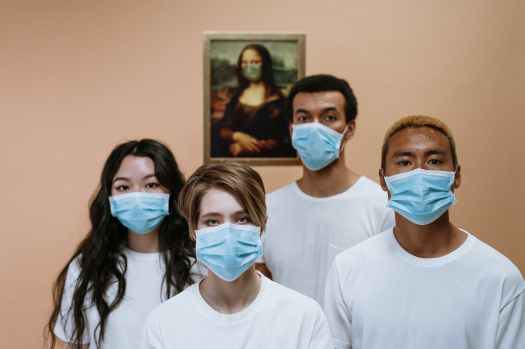
It is very important to make every effort to adhere to the standards of keeping a distance from others, wearing a mask, washing your hands and avoid touching your face. When you return to your living space, wash your hands. When you bring your groceries in, wipe them down with a disinfectant, wipe down the handles of the appliances, the door knobs, the faucets, any handle that is frequently used should be disinfected – including the handles on the toilet as well. I know it all seems to be a bit much but as we are still learning more about the virus each day, we cannot afford to let our guards down. With her most nurturing efforts, my mother would say – an ounce of prevention is worth more than a pound of cure. If only we could all take that approach, we may be able to get through this pandemic with less fatalities than we had in the height of the Spring and Summer season.

How Do You Handle Death?

One of the most awful experiences is watching your loved one slowly transition on to death. Some may say that it gives one time to adjust to the reality that death is on the way as you will no longer be able to share your lives together. However, for some it really doesn’t matter whether you have time to adjust or whether you get the news that your loved one has just died suddenly – without any warning. The pain of losing a loved one cannot be measured by the time you have or have not had to prepare for the loss.

I know how it is to lose a loved one with time to say good bye, make amends, adjust, etc. and I also know what it’s like to get the phone call that your loved one has just died suddenly when all seemed perfectly normal and neither forewarning or sudden death feels different to me. It all hurts! It really feels like the world has a lot of nerve moving forward while your world has just suffered a severe blow.

The next step is to digest the reality that it will never be the same and although you hear some people say that they know that their loved one is with them, it’s still not the same. Holidays, birthdays, family reunions, weddings, graduations, births, etc. will serve as a reminder that your loved one is gone forever.

Then comes the awkward period, the time when you hear from those who want to express their condolences. Be prepared to hear some thoughtful, encouraging, well meaning sentiments and also some outrageous comments. Yes, somehow some people who really mean well will say some things that can be quite insensitive.

Here are some words that are quite inconsiderate:

* Well, he/she lived a long life (and who are you? the timekeeper? Living a long life does not mean much when you are mourning the loss of someone you’ve shared your life with)

* Oh, you’re still young you can have another baby? (why would anyone say this??!! – Please keep this one to yourself)

* Thank goodness you still have the other children (that’s just outright ridiculous! A loss of a child with siblings is a huge loss, a void which will impact the family unit)

* Don’t cry, he/she would want you to be happy (crying is fine how can you be happy at a time like this?)

* God knows how much you can bare and he knows best (at that moment, that’s good for God but right now, I cannot bare this loss and I don’t want to hear it)

* Well, he/she is not suffering anymore and they are now at peace (you may have a point, but that point needs not to be made during the mourning process. Let the mourner come to terms with that on their own time)

A loss of a loved one is an emotional time even for the mother whose child was a menace to society. The best advice that I can suggest is to give your condolences by simply saying – “I’m sorry for your loss.”

Here are a few suggestions to consider:

* Stop by and drop off something nice – a pie, a cake, flowers, cupcakes, fruit basket, something nice.

* Don’t linger on too long, make it a quick visit. If your friend is lonely, you may want to stay close by just in case they need you. However, give them space even if you are staying with him/her.

* Let your knowledge of your relationship be your guide – a friend knows when to hug, not hug, say something, not say anything but just be there when needed.

* Allow the mourner to cry, do not try to stop them from crying. You’re not helping, you are being annoying. If you are uncomfortable and unsure of what you should do, simply remain calm and quiet.

* Family members are usually tolerated for their behaviors, you know they are usually well known for their antics. Death usually brings out the worst in those who are nasty and mean spirited. The drunk family member will be sure to act out. The greed and discussions of who gets what can be an issue even before the funeral arrangements have been made. Fighting on the arrangements, how it should be done and all of the other details can also be an issue of contention.

Overall, death is such an incredible part of life. We are all affected by death and while everyone has his or her own way of dealing with a loss, think of how you would want to be treated – keep in mind it’s an incredibly difficult form of saying goodbye.

Find the Cure – Research Makes It Possible!

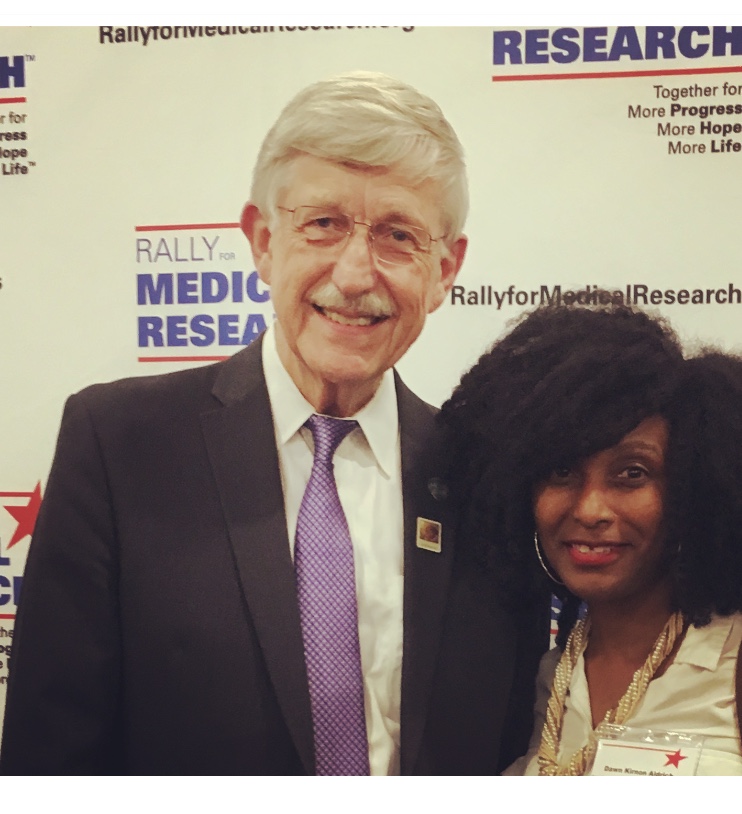
Dr. Francis Collins (Director National Institute of Health)

The desperation seen on the faces of the patients and their loved ones is one that screams for action. The look says it all. Please tell me that you can save me. Please do something to make my loved one get better. Please take away the pain.

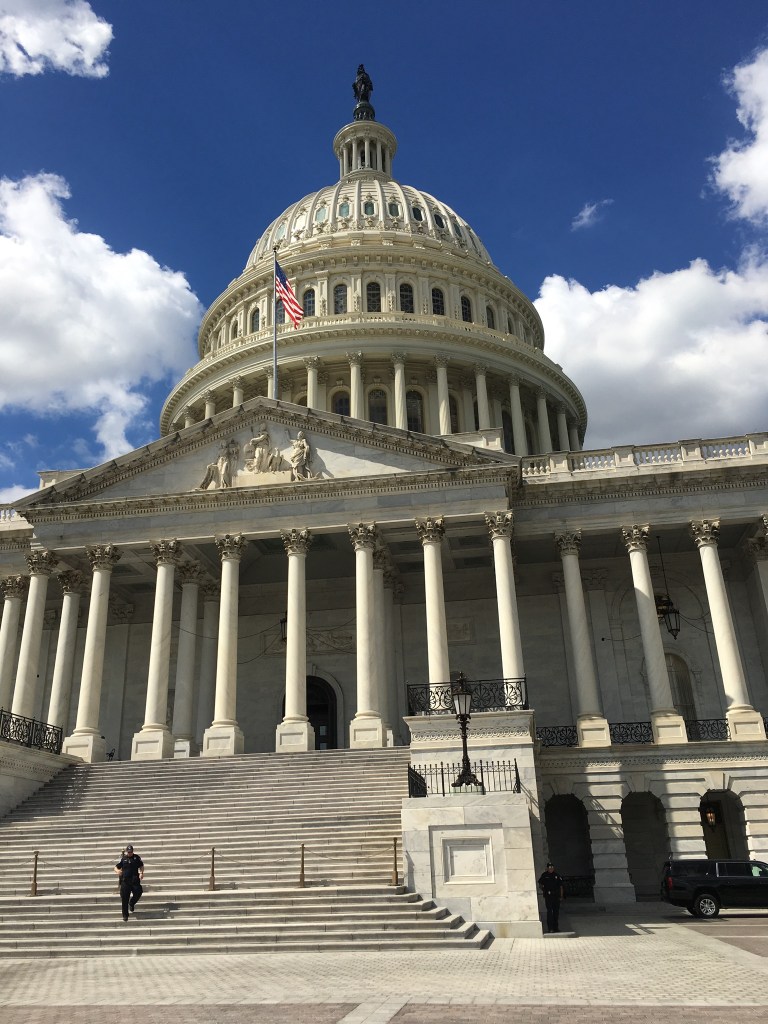
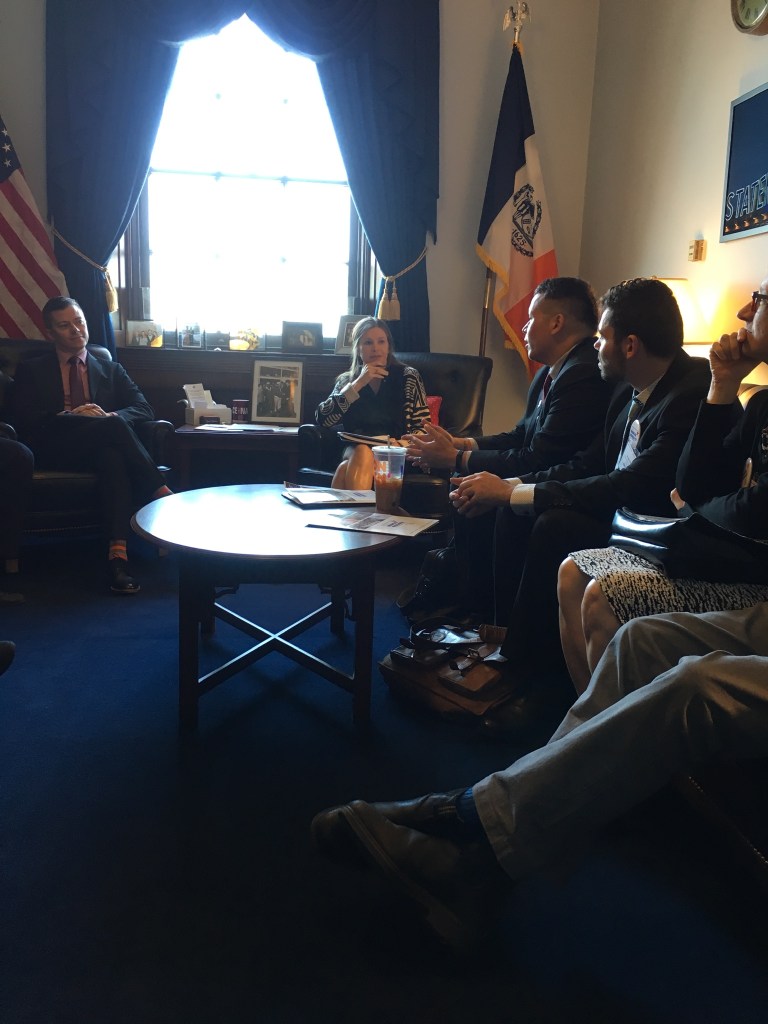
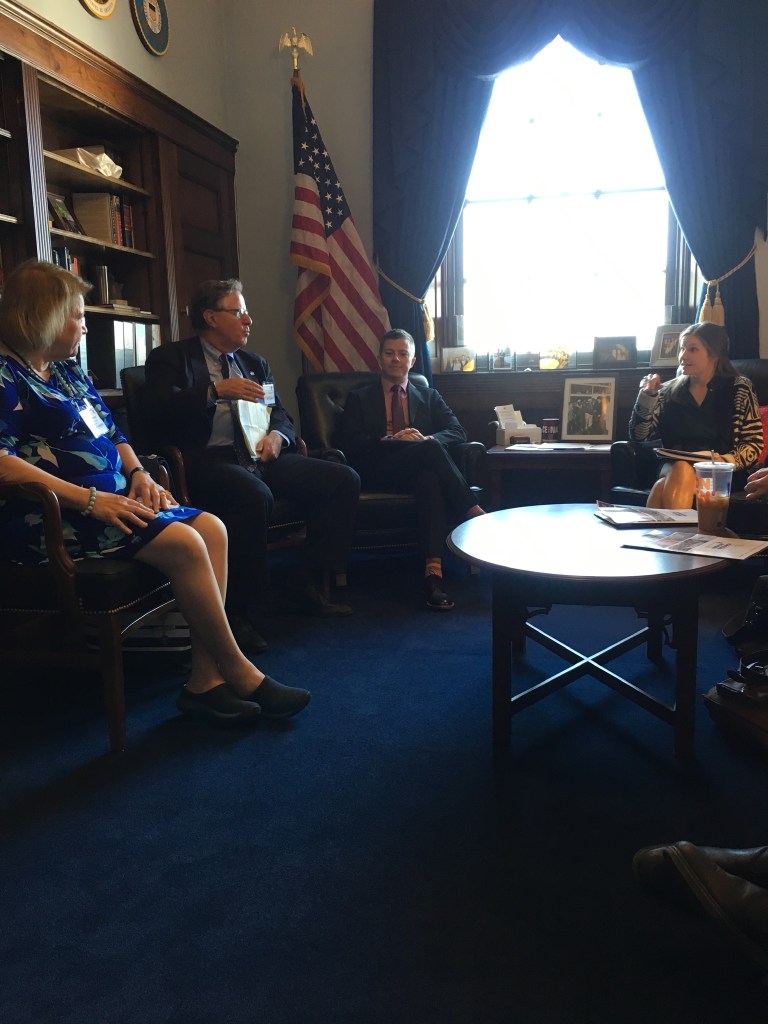
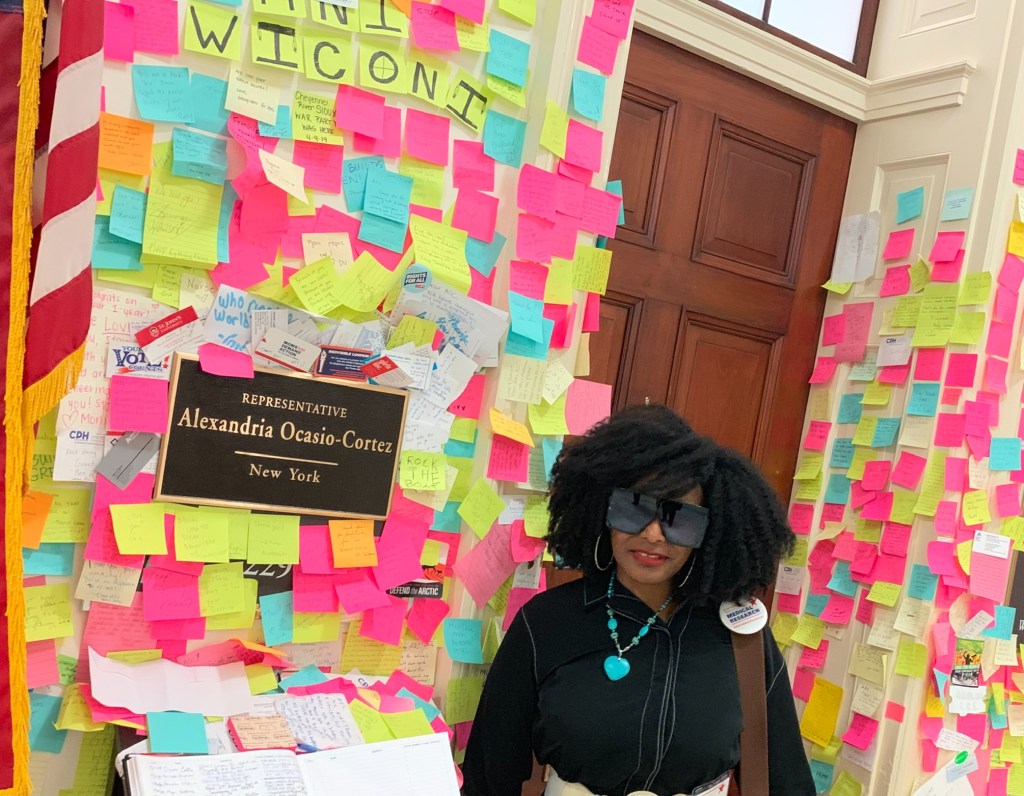
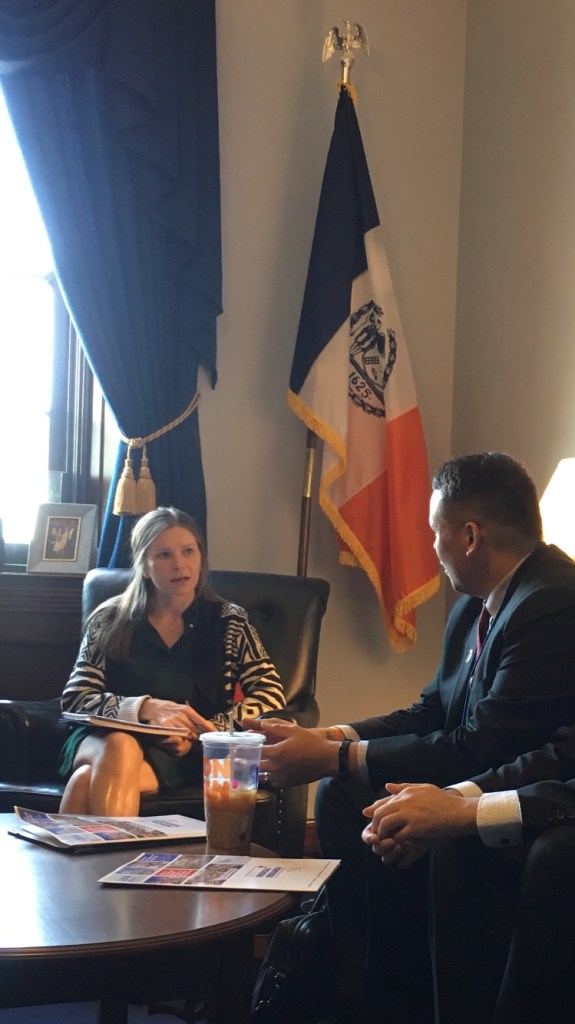
These are the reasons why advocates headed to the Capitol to meet with their state and local leaders to ask for funding of the National Institute of Health (NIH). The advocates included patients, caregivers, research scientists and doctors sharing their stories and expressing the need for a robust and sustained funding for the NIH.

The request is for 2.5 billion dollars.

The Rally for Medical Research meeting included a review of the progress made in cancer. There has been significant strides from 1971 where the recorded number of survivors was 3 million. Due to the research over the years, there are now 16.9 million survivors recorded in 2019. The FDA approved 17 new anti-cancer therapeutics that are effectively treating patients who have been diagnosed with various kinds of cancer. In addition, 10 previously approved anti-cancer therapeutics to treat new kinds of cancer all happened between August 1, 2018 and July 31, 2019.

While there are significant progresses in treating cancer patients, the disparities are still outstanding. Non Hispanic black men with prostate cancer has a mortality rate that has more than doubled that of any other racial or ethnic group. Taking a look within the rural areas in comparison to urban areas, women with ductal carcinoma in situ are 29% less likely to receive radiotherapy after breast conserving surgery.

While listening to the stories that were shared during the meetings on the Hill, a pediatric doctor spoke of a child who came from Oklahoma to New York for a clinical trial treatment that was only possible due to the funding from the NIH. The child is responding well to the treatment which one can only imagine brings hope to the family. Needless to say, the clinical trial treatment will most likely be added to the new methods of treatment – saving or extending other lives.

Another story was shared by a couple who came in from Canada to give thanks and encourage our leaders to fund the NIH as they too have benefited from the prehab and rehab programs. Christine Cosby was diagnosed with breast cancer and had quite a difficult time with the side effects of her treatment. Christine’s husband also shared how beneficial the services were and the need for others to have access to these kinds of discoveries. He was quite emotional as he expressed his gratitude. The couple remains optimistic as they have both benefited emotionally, mentally and physically from the program.

The stories are many and they are all compelling. The call is simply to ask for funding to help the researchers to find the cure. Here’s your chance to call your local and state representative to fund the NIH. The research funding may be the one that saves your loved one or even your own life. Find Your Representative

One Bite At A Time

Photo by Adrienn on Pexels.com

One day I noticed that I no longer had an appetite. Shortly after chemo treatments, I noticed that my food did not taste the same. I was no longer hungry. I felt nauseous by the scent of things that never bothered me before. I did not want to eat anymore.

It is difficult to explain. I know it is frustrating to my family and friends who just think that all I have to do is eat something or just take a bite. It is as though they think that I am giving up. What they cannot understand is that I wish I could eat something but I just can’t. I have tried, the food just would not stay down – the vomiting begins.

The doctor gave me steroids which caused me to gain 32 pounds. On the bright side, I was eating once again – taking one bite at a time. My appetite increased and everyone was happy. However, if the depression of the cancer diagnosis was not enough – the weight gain added to my distress.

Now that I have completed my treatment, my appetite has returned. I am working out and monitoring my diet. I am not back into my pre-cancer clothes yet, but I am almost there. I am back to eating my favorite foods – just taking it lightly – one bite at a time.

Joy M. (Uterine Cancer)

Eating Well During Cancer

Truth Be Told

The Truth Be Told series will highlight the stories of those who are sharing their challenges with cancer. It is a candid look into each person’s journey – from the cancer patient, survivor, caregiver, partner or friend – it will give an insight that many are reluctant to share.

Her Truth!

I am not feeling pretty. I look in the mirror and I see a stranger. I am looking at a woman who once smiled every time she saw her reflection. Today I cried. I looked at myself and I felt pity on the shell of a woman who once was happy, living life on her terms, catching up with friends, traveling and dining, dancing and doing just about anything she wanted to but now she’s a stranger. Living in a world of fear. 

Looking in the mirror I see a shell. I want to look beautiful again. I want to smile again. I am looking for ways to give me some sort of semblance to get a glimpse of who I used to be. Will it be a new lipstick? A wig? A new outfit? 

I need to find something to get me through this state of unfamiliarity – a strange land. I am looking for a makeover. I need to feel like me again.

Sunsyré D

Breast Cancer 

Can you relate? Cancer can take a toll on one’s physical appearance which adds to the stress of the journey for both women and men. It is important to remember – while each journey is unique, we all share a common theme – cancer changes our lives forever ~DawnKA

Conversations and Coffee

“Sometimes all we need to do is just talk about it; there’s comfort in knowing that you are not alone.”

This Fall we will be kicking off a series of Conversations and Coffee. These sessions will be an hour of sitting with cancer patients, cancer survivors, caregivers and other supporters. We will explore the concerns and catch up on the latest medical breakthroughs, clinical trials, resources and more.

We have heard from many members of the cancer community who have expressed their interest in joining us on our sessions. It is so important to find a supportive environment. We can take a moment to listen, share and sip together. It is an hour of release.

We’re looking forward to our sessions, we are inviting everyone to come and sip with us and you can even bring your own coffee mug.

For more information on our next session, contact Conversations and Coffee

Five Wishes

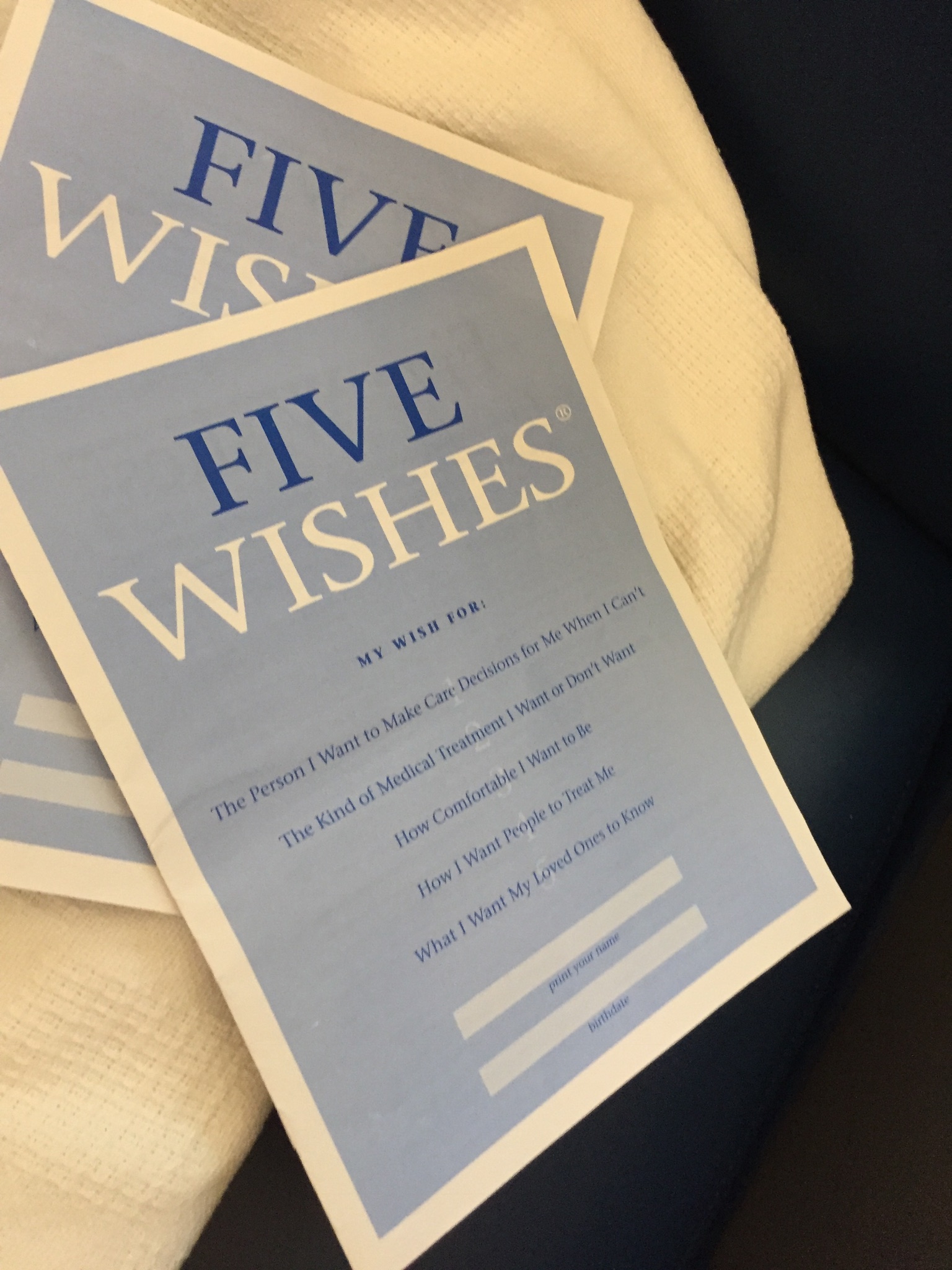
If you had one wish, what would it be? Many people are prepared to ask for at least three wishes with hopes to either gain wealth, love and happiness. However, Five Wishes are a part of a patients wishes for their care and how they want things to work out during the final stages of life. It is recognized and honored by the hospital staff.

It was during the end of summer, when I held the booklet in my hand and reviewed it with my brother who was in the hospital after being diagnosed with pancreatic cancer (Stage 4). The diagnosis was a shock to all of us and although I understood the severity of his condition, my brother was standing strong in his faith and was determined to become as he puts it – a testimony to the miracles of God. Needless to say, the task of having any conversation that involves death was difficult.

Here’s the essential part, we were raised in a house that centered around Christian values based on love and compassion complete with having a strong faith in God – knowing that all things are possible, miracles can happen, if you believe. Therefore, it is only natural that he invokes his faith as he listened earnestly to spiritual and inspirational sermons.

There I was sitting in the chair next to his bed, reviewing the pages of Five Wishes. I finally mustered up the courage to discuss the importance of being prepared in the event that he has a set back and could not communicate at any point, and although I was his Health Proxy, I needed to ask him a few questions. I wanted to be sure that I was making the best decisions with a good understanding of his own desires.

We were able to complete the questions and my brother was able to continue on in his faith for healing. I was relieved to know that my brother’s wishes were clearly defined and served as a guide for the staff and everyone else. If you or a family member is interested in completing the Five Wishes please ask a member of your healthcare team.

With Access to Affordable and Quality Healthcare for All

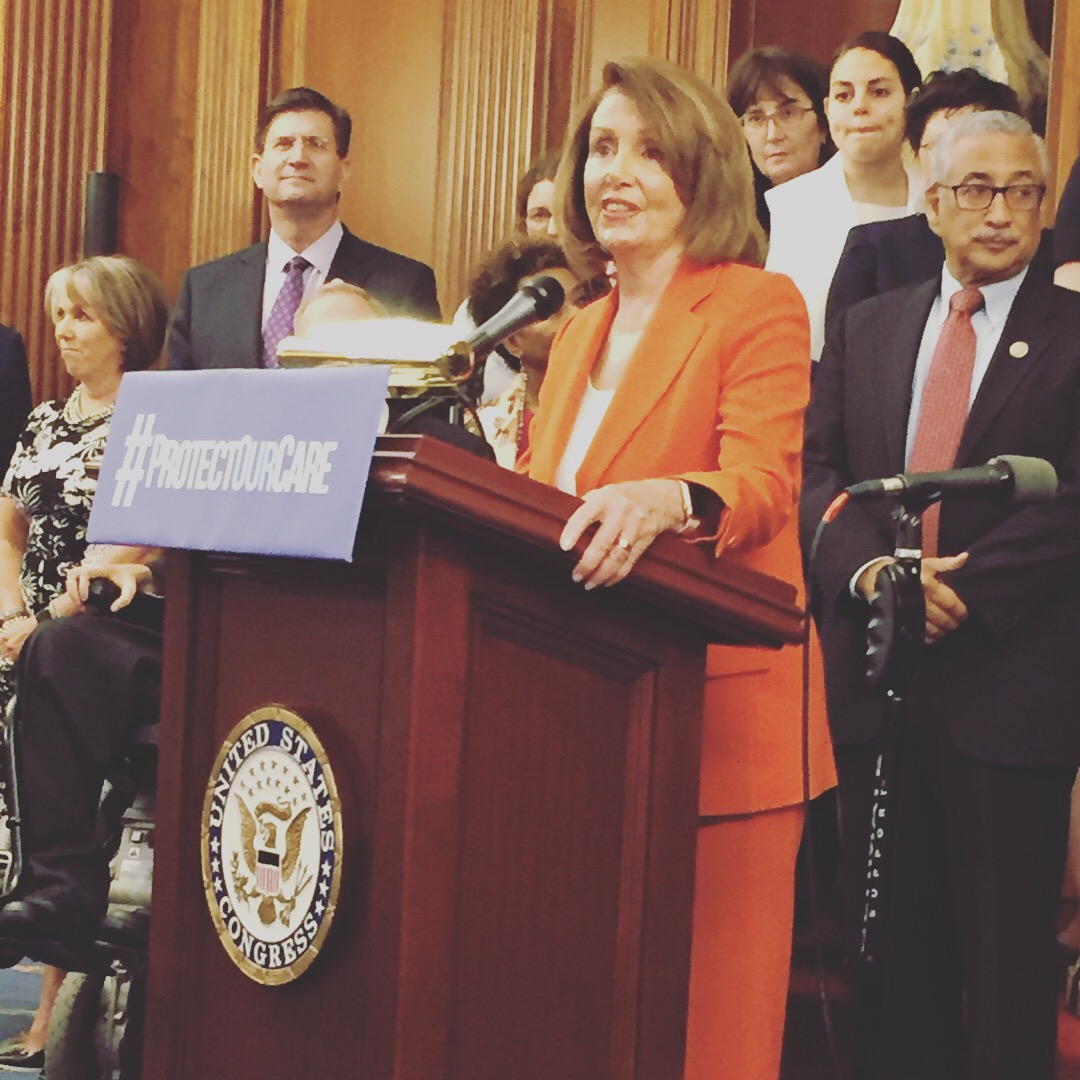
Speaker Nancy Pelosi addresses the importance of the Affordable Care Act

It seems as though there is often a threat to our efforts to maintain access to quality and affordable healthcare. Cancer patients and survivors are at risk for losing their coverage through the insurance companies who can then deny coverage due to pre-existing conditions, drop a patient or raise their rates due to their diagnosis.

Cancer patients are terrified over the costs of cancer. They are at risk for losing their job due to treatment scheduling and the side effects. There are couples who have lost their homes, cars and sometimes their marriage. There are single mothers who have lost both their jobs and their apartment. The jobs that provides their resources for daily living and also covering their health –

The Affordable Care Act changed the needs of the patient with access to quality healthcare and financial protection for millions. However, as the battle wages on in Washington, DC by the politicians who are determined to repeal and replace the Affordable Care Act – there are many of us who are not going to sit back and see how it goes.

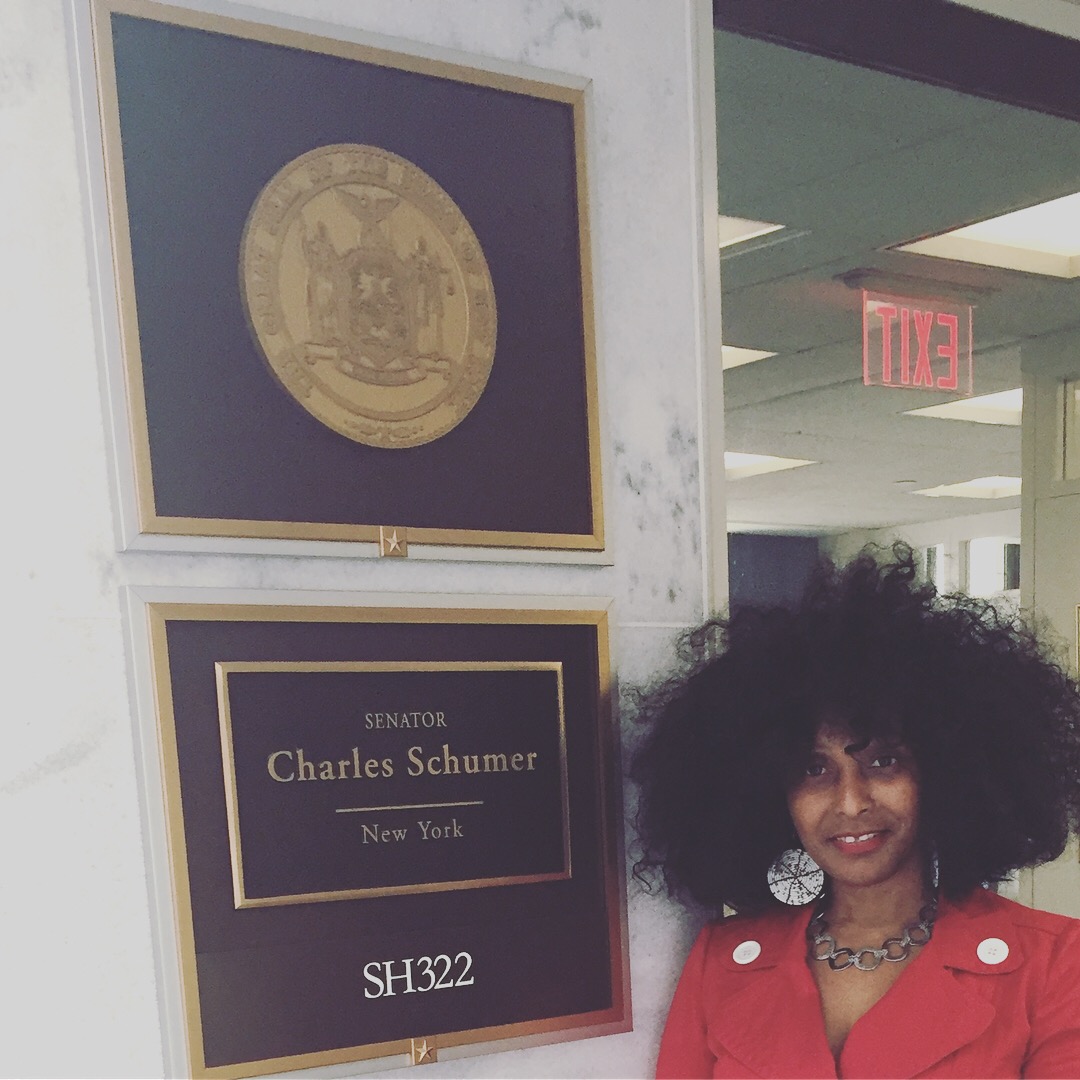
Hill Day meeting with Senator Charles Schumer

The alternative previously presented was the American Health Care Act which would make a tremendous cut to Medicaid leaving over 30 million individuals without insurance. In addition, it will not protect those with pre-existing conditions. The budget that was recently proposed included:

  • cutting over $818 billion from Medicare over 10 years
  • putting a cap on Medicaid and taking away $1.5 trillion over projected spending (10 years)
  • cutting federal health spending by $659 billion (10 years)

There were a number of patient advocates, doctors, medical students, and other professionals who joined alongside the National Coalition for Cancer Survivorship to let our local and state political leaders know the importance of the Affordable Care Act. Advocacy is such an important part of our mission. It is a matter of life or death and we demand access to affordable and quality healthcare for all!

What else is out there?

Once diagnosed with cancer, the questions can be lost in the mix of uncertainty. Some people are concerned with their life span, wondering how much longer before it all ends. Some are wondering how will they make it through the treatments? How will it affect the family? Job? Social life? Post cancer treatments and survival?

The next thing that most patients want to do is to begin their therapy/ treatment. Naturally, the doctor creates a plan that is considered to be best for the patient. The patient complies as they may feel that this is the way to go – leaving it to the experts. However, there are some patients who ask “What else is there for me to try?” If this treatment plan does not work, what else can I do?

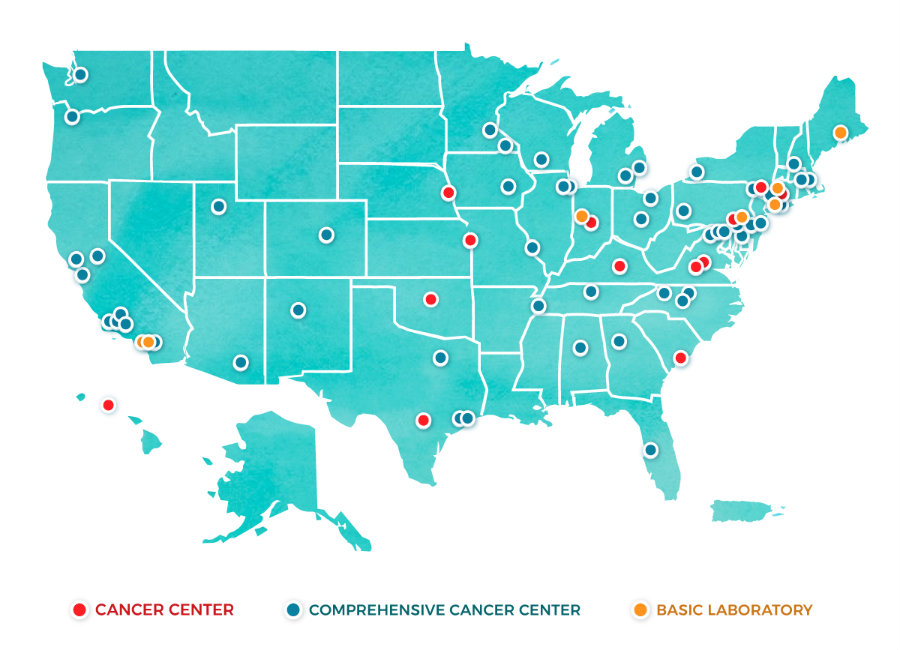
You may want to consider a clinical trial. The National Cancer Institute has a Cancer Therapy Evaluation Program where the National Clinical Trials Network Lists the clinical trials that are actively in progress. You can find the list of specific cancers, hopefully, your cancer is listed there. You can also find NCI Supported Clinical Trials by typing in your cancer, age and zipcode to get the best match for you. In addition, you should discuss with your doctor or contact the National Cancer Institute to learn more on their designated centers and sites.

—> Find A Center <—

NCI Designated Centers

Alcohol – Is it a yea or nay?

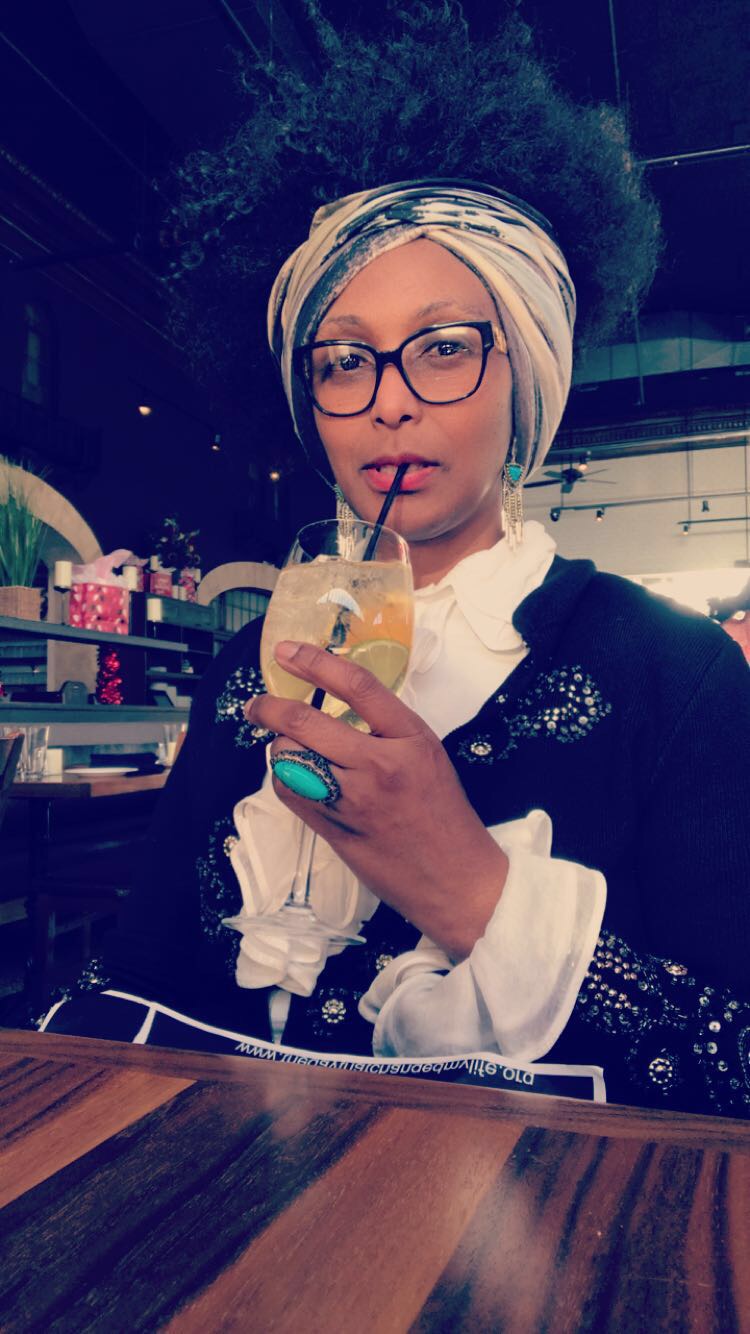
Sometimes when you go out to dinner with friends or with just with the girls, there’s that moment when you look at the drink schedule in every now and again you decide perhaps you will have a glass of wine or a fruity drink like a Bahama mama, sangria, beer and although you are not a heavy drinker – the question is, is it harmful?

The latest findings are based on a study that was conducted over a period of 16 years in 195 countries – no alcohol period. Researchers have declared – None. Nunca, Nada, Nyet, Non!!!

Well, after reading all of the different research studies from the experts in the field of research, who have told us that we could have a glass of wine. In fact, they insist that we have a glass of wine each day as it may be good for our heart – then again it may not be – because it may cause cancer – but then again, if it’s red it’s probably healthy for us. Needless to say, we fall into the confusion of not knowing whether it is or is not really good for us. Therefore, we decide that we will sip on this one drink and pray for the best.

The distinction that should be clear, is that if we drink heavily or binge – it may result in compromising your health and well-being. You may be placing yourself at risk for cancer (breast, colon and rectal, liver, esophagus, the larynx/voice box, pharynx/throat, mouth) pancreatitis and stroke. The truth is that if we have a family history of alcoholism, we should avoid drinking.

This is neither an anti-alcohol or endorsement of alcohol consumption. It is more of an exploration into studies and their findings. Research studies may be lost in translation and in that frustration, it may actually lose its credibility as one may determine that there are too many contradictions.

However, as always, whatever you do decide – do so in moderation. When you complete your health questionnaire, you may be able to select the appropriate response – on occasion.