Does It Even Matter?

In 1964, the US Surgeon General wrote a report that indicated the dangers of smoking stating that the nicotine and tar found in cigarettes causes lung cancer. As a result, Congress passed an act that cigarettes should be labeled with a warning (Cigarette Labeling and Advertising Act). The label showed: Cigarettes may be hazardous to your health.

Over the years the tobacco companies tried to make adjustments to the amount of nicotine and tar, improving the filters with the intentions of allaying the fears of the consumer. However, the truth is there was still a health concern. In the 1980’s the companies had to place these warnings every three months on the cigarette boxes.

Since then many efforts have been made to discourage smoking. Smoking bans have reached hotels, planes, restaurants, bars, pubs and clubs. Some employers even banned smoking not only in the offices but also anywhere near the office building. These attempts only infuriated the smokers but in now way did it deter them from smoking. After all they have may seen their loved ones die of lung cancer, watched the price increase of cigarettes go up to $14.50 and yet they would scrape their change together and purchase the cigarettes.

In and effort to make and impact the Food & Drug Administration launched a campaign that some may call a bit too graphic but I wonder, does it even matter?

WARNING: Cigarettes are addictive.
Tobacco use can rapidly lead to the development of nicotine addiction, which in turn increases the frequency of tobacco use and prevents people from quitting. Research suggests that nicotine is as addictive as heroin, cocaine, or alcohol.

WARNING: Tobacco smoke can harm your children.
Secondhand smoke can cause serious health problems in children. Children who are exposed to secondhand smoke are inhaling many of the same cancer-causing substances and poisons as smokers.

WARNING: Cigarettes cause fatal lung disease.
Smoking causes lung diseases such as emphysema, bronchitis, and chronic airway obstruction. About 90 percent of all deaths from chronic obstructive lung disease are caused by smoking.

WARNING: Cigarettes cause cancer.
Smoking causes approximately 90 percent of all lung cancer deaths in men and 80 percent of all lung cancer deaths in women. Smoking also causes cancers of the bladder, cervix, esophagus, kidney, larynx, lung, mouth, throat, stomach, uterus, and acute myeloid leukemia. Nearly one-third of all cancer deaths are directly linked to smoking.

WARNING: Cigarettes cause strokes and heart disease.
More than 140,000 deaths from heart disease and stroke in the United States are caused each year by smoking and secondhand smoke exposure. Compared with nonsmokers, smoking is estimated to increase the risk of coronary heart disease and stroke by 2 to 4 times.

WARNING: Smoking during pregnancy can harm your baby.
Smoking during pregnancy can increase the risk of miscarriage, stillborn or premature infants, infants with low birth weight and an increased risk for sudden infant death syndrome (SIDS).

WARNING: Smoking can kill you.
More than 1,200 people a day are killed by cigarettes in the United States alone, and 50 percent of all long-term smokers are killed by smoking-related diseases. Tobacco use is the cause of death for nearly one out of every five people in the United States, which adds up to about 443,000 deaths annually.

WARNING: Tobacco smoke causes fatal lung disease in nonsmokers.
Nonsmokers who are exposed to secondhand smoke are inhaling many of the same cancer-causing substances and poisons as smokers. Nonsmokers who are exposed to secondhand smoke increase their risk of developing lung cancer by 20–30 percent.

WARNING: Quitting smoking now greatly reduces serious risks to your health.
Quitting at any age and at any time is beneficial. It’s never too late to quit, but the sooner the better. Quitting gives your body a chance to heal the damage caused by smoking.

There is no better day than today to quit smoking cigarettes and reclaim your health and well-being. Each cigarette you put out permanently reduces your risk of developing serious illnesses like cancer, heart disease, and respiratory problems. Quitting now, no matter how long you’ve smoked, significantly improves your health outcomes, allowing you to breathe easier, have more energy, and enjoy a longer, healthier life.

Remember, you are not alone in this journey, and there is ample support available. Resources such as the CDC’s Quitline (1-800-QUIT-NOW), Smokefree.gov, and the American Lung Association offer free and proven methods, from counseling and support groups to nicotine replacement therapies, all designed to empower you to break free from nicotine addiction and embrace a smoke-free future starting today.
The Unexpected Start of 2024


It was the first Sunday of the New Year! Awakened by an intense pain, she knew she would not make it to church. It was much too much. She had to get to the hospital, her husband got the car. It was very early, still dark, the sun had not yet appeared. In fact, the forecast of a snow storm was expected that day. The drive to the Emergency Department brought a great sense of relief as the pain would be taken care of.

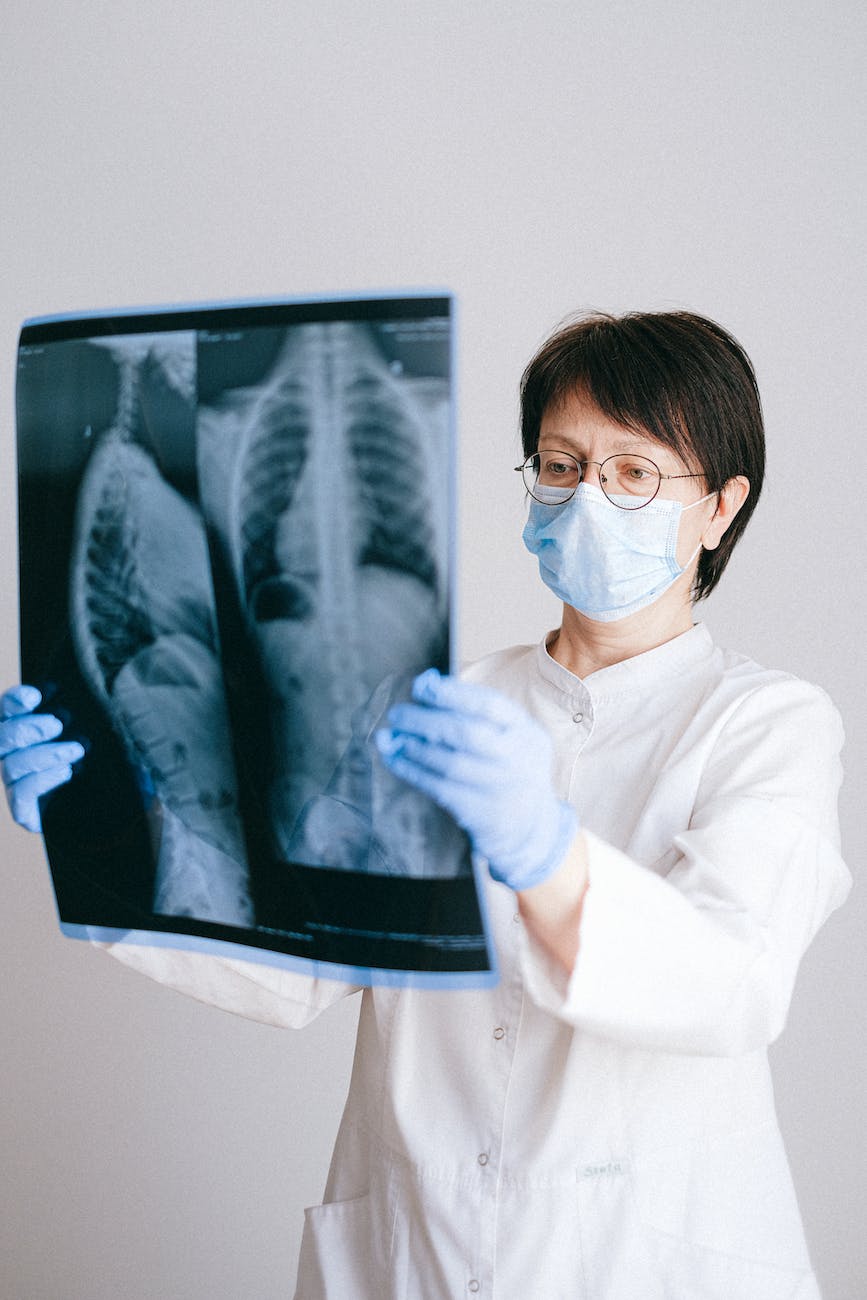
The sterile white walls of the emergency room seemed to hum with fluorescent light, amplifying the thudding rhythm of Stephanie’s heart. Her back, the culprit of her visit, throbbed a dull counterpoint. But it was the doctor’s words, echoing in the sterile air, that truly stole her breath: “Two small nodules on your lung” the words echoing in the cavernous space of her skull. Small, he’d said. But the word echoed like a thunderclap, each syllable reverberating with uncertainty.

Stephanie, ever the pragmatist, had nodded politely, the news seemingly bouncing off her carefully constructed shield of composure. She’d asked clarifying questions, her voice betraying no hint of the tremor in her hands.

She’d come for the back pain, a nagging ache that had morphed into a sharp, unwelcome guest. But the CT scan, meant to reveal kidney stones or a pinched nerve, had unearthed something far more unsettling. Nodules. The word hung heavy, its weight threatening to crush the carefully constructed facade of calm she’d presented to the doctor.

In the quiet solitude of the examination room, the mask slipped. The ache in her back was forgotten, replaced by a chilling emptiness in her chest. Two nodules. What did they mean? Were they shadows, harmless wisps on her scan, or ominous portents of something worse?

Her mind, once a whirlwind of deadlines and errands, became a hurricane of possibilities. Images flashed, each one a grimmer echo of the last: needles glinting in sterile hands, hushed voices in sterile hallways, waiting rooms filled with the ghosts of unspoken anxieties.

The doctor’s reassurances, delivered with practiced optimism, felt like whispers in a storm. “Further tests, of course,” he’d said, “but try not to worry.” Try not to worry. Easier said than done when the future seemed to stretch before her, a vast, uncharted ocean, dotted with the treacherous reefs of “what ifs.”

She forced a smile for the nurse. The world outside seemed to have muted its colors, the vibrant reds and greens of the city park across the street replaced by a monochrome palette of fear.

The hours that followed were an eternity of waiting, of stealing glances at the clock, of replaying the doctor’s words in her head like a broken record. Each creak of the door, each hurried step in the hallway, sent her heart into a frantic dance.

But amidst the fear, a flicker of defiance. This wasn’t the end. Not yet. She would face this, this unwelcome shadow lurking in her lungs, with the same grit she’d faced every other challenge life had thrown her way.

She closed her eyes, picturing her grandmother and mother, recalling the foundation of faith, their prayers and resilience. They faced many challenges throughout their lives. “Life is a tapestry, Stephanie,” mother once said, her voice dramatically animated, “woven with threads of joy and sorrow, light and dark. But it’s up to you to choose the color of the final stitch.”

And so, Stephanie chose defiance. She would weave this thread, this dark, unexpected thread, into the tapestry of her life. It wouldn’t define her, wouldn’t erase the vibrant colors of her past or dim the possibilities of her future. It would be a challenge, a hurdle, but one she would face with courage, with hope, with the unwavering belief that even in the shadow of uncertainty, the final stitch could still be a thread of light.

As the day seemed over, the dark dreary clouds created a complete covering of the sky, as though it aligned with the unexpected news of the day. Taking a short walk to the car, still in pain, the earlier hopes of leaving the Emergency Department with some relief were dashed. Stephanie felt a shift within her. The fear was still there, a cold ember in her chest, but it was no longer the only thing she felt. There was defiance, a quiet resolve, a determination to weave this unexpected thread into a story of resilience, of facing the unknown with courage and grace.

The doctor’s referral would bring answers, some definitive, some shrouded in the grey fog of further tests. But for now, Stephanie found solace in the quiet strength that had risen within her. She would face this, she would fight, and she would, one stitch at a time, weave a tapestry of hope, even in the shadow of two small, ominous nodules.

The Right To Die

The Right to Die is a controversial topic that has been debated for many years. There are many different opinions on this issue, and it is important to consider all of the challenges, controversies, and benefits before making a decision. It may be referred as death with dignity, or assisted suicide.

One of the main challenges of the Right to Die is that it can be difficult to determine when a person is truly ready to die. Some people may feel like they are ready to die when they are in pain or when they are no longer able to live independently. However, others may feel like they are ready to die when they are simply tired of living. It is important to make sure that a person is truly ready to die before they make a decision to end their life and thankfully, there are systems in place to ensure that the individual patient is well informed and has received the proper counseling.

Another challenge of the Right to Die is that it can be difficult to ensure that a person’s wishes are carried out. If a person decides to end their life, they may want to make sure that their family and friends are aware of their decision. They may also want to make sure that their doctors are aware of their decision so that they can provide them with the necessary assistance. However, it is not always possible to ensure that a person’s wishes are carried out.

The Right to Die is also controversial because it can be seen as a form of suicide. Suicide is a serious issue, and it is important to make sure that people who are considering suicide are getting the help they need. However, it is important to remember that the Right to Die is not the same as suicide. The Right to Die is a decision that a person makes about their own life, and it is not something that is forced upon them. The individual is weighing what they consider is best for them in their own journey through life – all the way to the end.

As of March 8, 2023, physician-assisted suicide is legal in 11 US states and the District of Columbia. These states are:

  • California
  • Colorado
  • District of Columbia
  • Hawaii
  • Maine
  • Montana
  • New Jersey
  • New Mexico
  • Oregon
  • Vermont
  • Washington

In addition to these states, physician-assisted suicide is also legal in the Netherlands, Belgium, Luxembourg, Switzerland, Canada, and several countries in South America and Europe.

The laws governing physician-assisted suicide vary from state to state and may be monitored by a nurse as the patient takes the medication on their own. In general, however, patients must be mentally competent, terminally ill, and have a prognosis of six months or less to live. They must also request physician-assisted suicide on two separate occasions, at least 15 days apart.

Physician-assisted suicide is a controversial issue, and there are strong arguments both for and against it. Those who support physician-assisted suicide argue that it gives terminally ill patients the right to control their own death and to die with dignity. They also argue that it can help to alleviate suffering and that it can be a more humane alternative to prolonged illness and death.

Those who oppose physician-assisted suicide argue that it is morally wrong to help someone to kill themselves. They also argue that it can lead to abuse, and that it can send the message that life is not worth living if it is not free of pain and suffering.

The right to die is a complex issue with many challenges, controversies, and benefits. Some of the challenges include:

  • Defining what constitutes “dying.” What does it mean to be “dying”? Some people believe that only people who are terminally ill should have the right to die, while others believe that anyone who is suffering should have the right to end their life.
  • Determining who should be able to make the decision to die. Should the decision to die be made by the individual, by their family, or by a doctor?
  • Ensuring that people who choose to die are not pressured into doing so. There is a risk that people who are terminally ill or who are suffering from mental illness may feel pressured into ending their lives, even if they do not truly want to die.
  • Providing support for people who choose to die and their loved ones. People who choose to die and their loved ones may need support in dealing with the emotional and practical challenges of dying.

Some of the controversies surrounding the right to die include:

  • The role of religion. Some religions believe that suicide is a sin and that people who die by suicide will not go to heaven. Others believe that God gives people the right to choose to die and that God will not judge them for doing so.
  • The role of the government. Some people believe that the government should not interfere with people’s right to die, while others believe that the government should regulate the practice of assisted suicide.
  • The role of doctors. Some doctors believe that they should not be involved in helping people to die, while others believe that they have a duty to help patients who are suffering.

Some of the benefits of the right to die include:

  • Giving people control over their own deaths. People who choose to die can do so in a way that is meaningful to them. They can also avoid the pain and suffering that comes with a terminal illness.
  • Relieving the burden on loved ones. People who choose to die can relieve the burden on their loved ones of caring for them. This can be especially helpful for families who are struggling financially or emotionally.
  • Providing peace of mind. People who choose to die can provide peace of mind for themselves and for their loved ones. They can know that they are in control of their own deaths and that they will not have to suffer needlessly.

People who are terminally ill or who are suffering from a debilitating condition may want to end their lives so that they can die on their own terms and alleviate the long suffering as their family and friends gather around for visits. The patient is already overwhelmed with the process of dying and struggling with the idea of being a burden. The Right to Die can also give people the peace of mind knowing that they have the option to end their lives if they choose.

Above all, have compassion for those who are making those difficult decisions. Be grateful and hopeful that you nor your loved ones would ever have to consider such a life altering option.

Coping with Illness & Loss During the Holidays…

♪♪Tis the season to be jolly♪♪

It is that time of the year as we are reminded through the songs, the smiling faces, the decorations, the gifts and all of the parties. While, the atmosphere is in a festive mood, sadly not everyone is sharing in the joy of the season. There are families who are having a tough time during the jubilant season.

This may be the first time that everyone is gathered to spend the day as they always do except that there is something different this time, someone is obviously missing. The loss may be from a divorce, separation, military deployment, illness or death. Whatever the reason, it can affect the mood of those who are facing the holidays without their loved one.

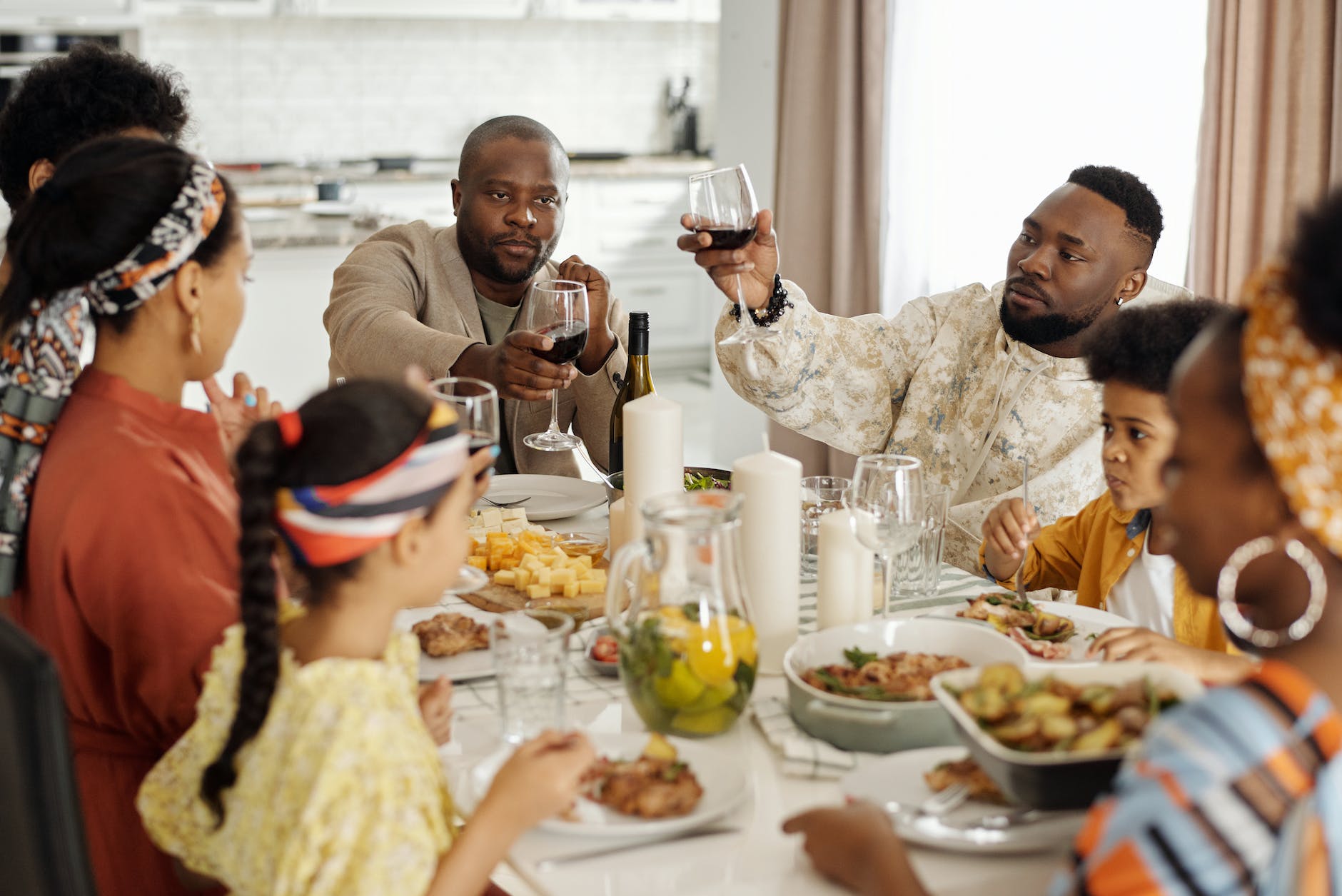
The first Thanksgiving without my father was difficult as he was the family chef during the holidays. Our mother cooked all of the meals throughout the year – Thanksgiving and Christmas was a feast on another level. We considered having our dinner catered. We just wanted to gather together and have dinner and spend our time together as a family. While we were grateful for the years we shared with our father, we were in the midst of mourning all that he meant to us especially on a day where we looked forward to his delicious spread.

 In the case where your loved one is in the hospital, nursing home or rehabilitation facility, perhaps a visit will cheer everyone up. It will definitely make your loved one feel better knowing that they are not forgotten..

Remembering the good times is key. Memories may deliver a mixture of emotions. One moment there may be tears as you wish that your loved one could be with you all, while the next moment may be filled with laughter as you recall the happy times. Laughter is the best medicine, I know this for sure, laughter has helped us through some very tough times during the holidays. It sure takes adjusting especially in the cases where there is a permanent loss.

There is a saying ‘Time heals all wounds’ which it does. However, it takes time – some longer than others. The best way to cope is to acknowledge your feelings then allow yourself to embrace the transition of understanding that while life will never be the same, your life must go on.

SOLUTIONS Cancer Resource Center announces partnership with NIH Research Initiative

SOLUTIONS Cancer Resource Center  is proud to announce its partnership with the National Institutes of Health (NIH)’s All of Us Research Program through its Community Advocate Network (CAN). 

All of Us is a large research program working to enroll one million or more participants across the U.S., including people and communities who have historically been left out of medical research. The goal is to collect and share data to fuel new insights into human health, thereby accelerating health and medical research that enables individualized prevention, treatment, and care.

Community Advocate Network organizations support All of Us by:

  • helping advance the overall All of Us mission; 
  • advocating for diversity in biomedical research and describing how All of Us accomplishes that goal;
  • encouraging enrollment into the program where appropriate within their respective member communities to help create diverse representation in All of Us; and
  • making investigators aware of opportunities to use All of Us data in their research.

At SOLUTIONS we heartily support the All of Us mission. We are committed to being a strong advocate for under-served communities, focusing on educating and empowering others with information aimed at prevention, early detection and assistance. We also act as a liaison to bridge the communication gap between the doctor and patient. With our participation in supporting All of Us, we are able to bring this important message to members of our community and to ensure individuals have access to this source of empowerment.
Learn more about more about All of Us and how you too can support this program at joinallofus.org/NYadvocates

Lessons from summer 2020 looking forward to summer 2021

Summer is almost here and after the summer of 2020, the anticipation to get back to normal is at its peak. While some folks are fully vaccinated, there are some who have not taken that step. It’s a personal decision that must be carefully considered. Whatever the choice, we must proceed with caution.

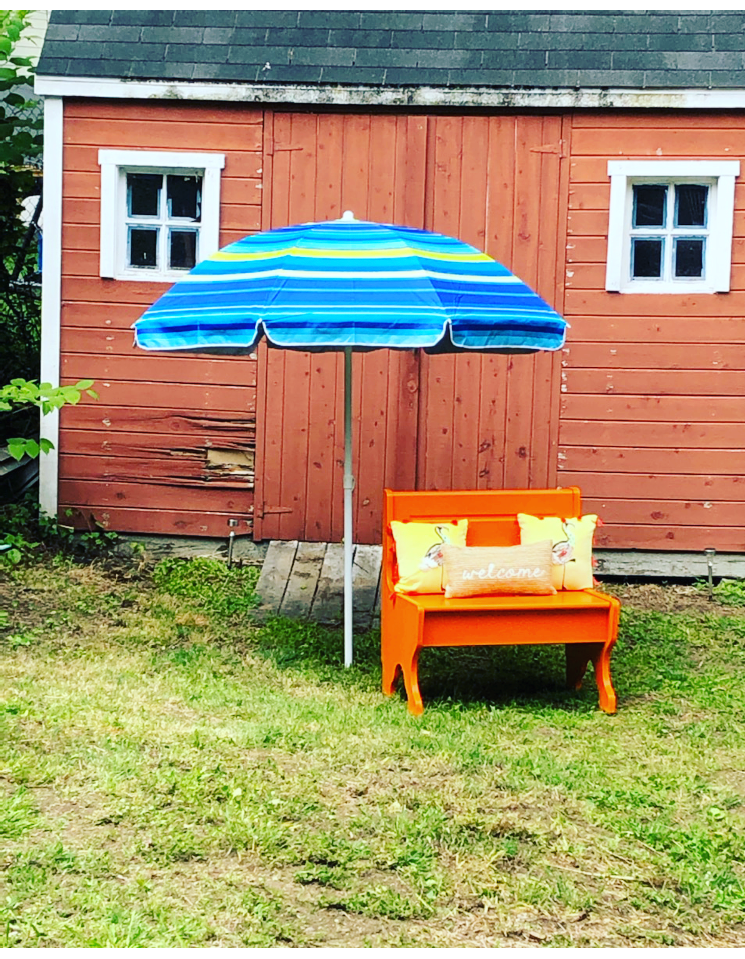
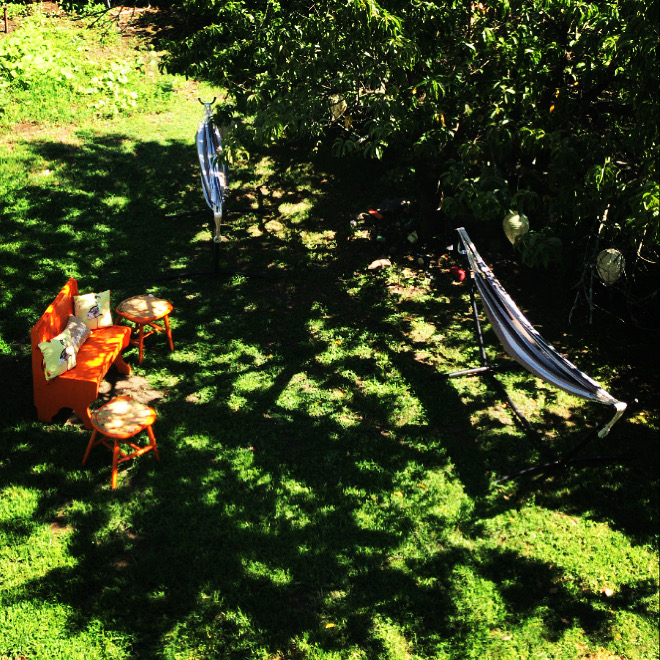
Last summer, we were happily home bound. The lock down gave us the opportunity to take a look around and make the best of our situation. It was time to make our home the place to be – we ordered potted plants for the porch, headed out to the nursery and purchased more indoor plants, planted vegetables in the garden, cleaned up the birdbath, added a sprinkler and some plants in it and watched the birds and squirrels gather around it to hangout. We put out the hammocks and chairs in the backyard, painted bricks and rocks, and had a field day ordering everything online (groceries, food delivery, household items, etc.). We would put our masks on and go for walks around the neighborhood. We read our books, watched movies and documentaries, listened to music, danced, worked out, had long conversations, and occasionally enjoyed breakfast or lunch while we sat on the porch. It was a great way to appreciate and enhance our home life experience.

We created themes for our backyard barbecues and brunches. We would order the items on line and then we would be in Hawaii, or somewhere in the Caribbean. Normally, we would go out to a restaurant with the family to celebrate birthdays or anniversaries but this time, we were setting up with balloons and animated themes – it was all sort of wonderful.

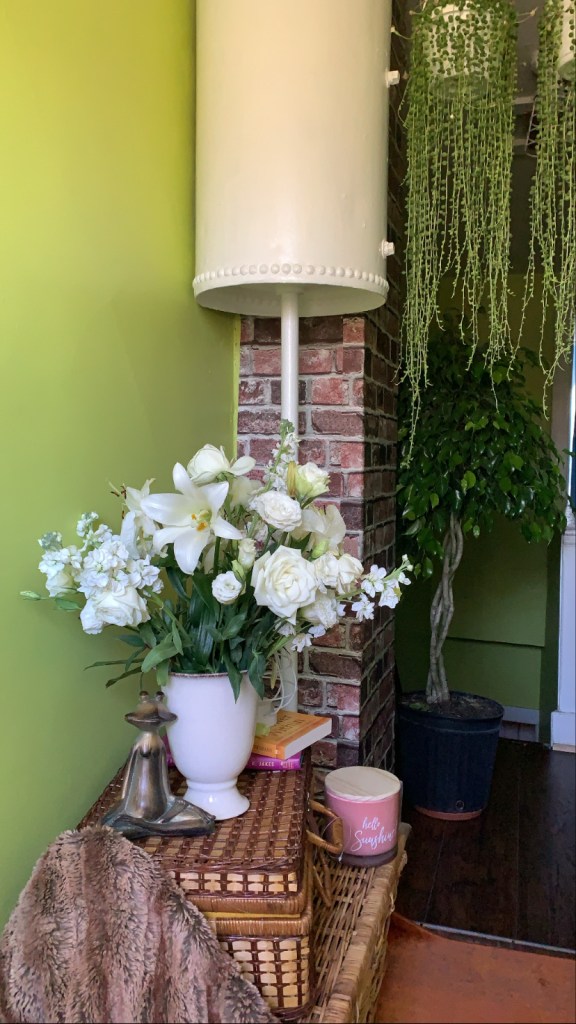
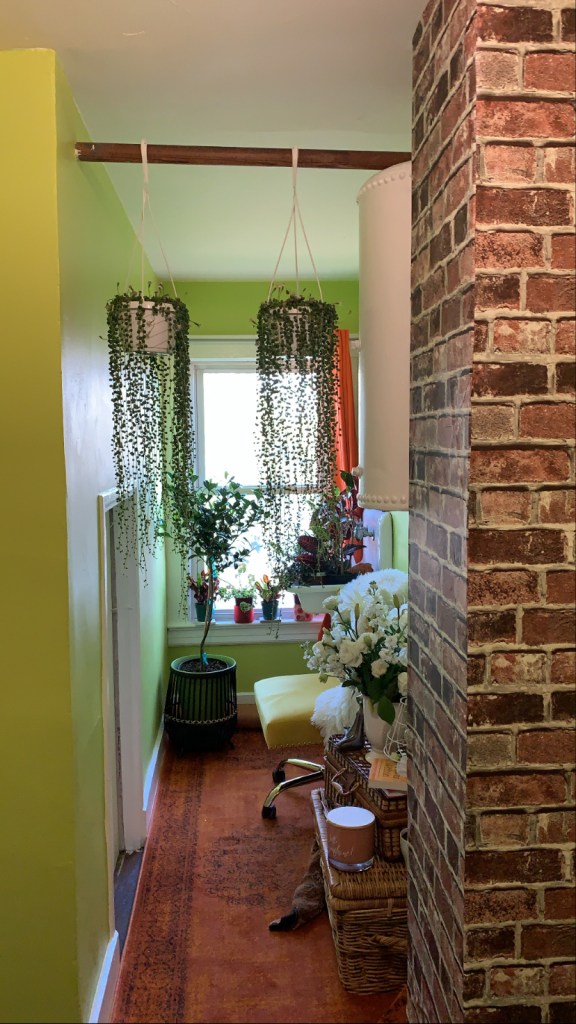
This summer, we are doing more of the same. While we may occasionally venture out, we will definitely enjoy the oasis that we have created at home. We also created a spot we call The Healing Center – it has plants and flowers. We go there to meditate, give thanks or just sit quietly. It is a very small narrow space, yet it is there where we are often treated to the songs of the birds as they serenade us, while surrounded by nature. It’s a complete vibe.

Summer 2021 is almost here and the anticipation to get back to the pre-pandemic stage is already evident. People are out and about, it’s only natural that we want to be able to mingle and flow freely as we once did. However, if you or someone you love immune’s system is compromised due to an illness or treatment, it is extremely important to protect and guard yourself whether you are fully vaccinated or not. Find ways to enhance your time. The pandemic served as a reminder to make the best of our situation. It was the time where we became master chefs, bakers, interior designers, gardeners, painters, artists – making the adjustments to continue to enjoy life the best way that we can. Let us raise our glasses, cheers to a fun filled safe summer 2021!

New Year! What’s The Plan

We’re well into the first month of the 2021 with COVID19 and the new strains of the virus, schools are shutting down due to positive cases, many places of businesses have closed, people are working from home, millions are unemployed, yet there has been a sense of hope for a turn around in 2021.
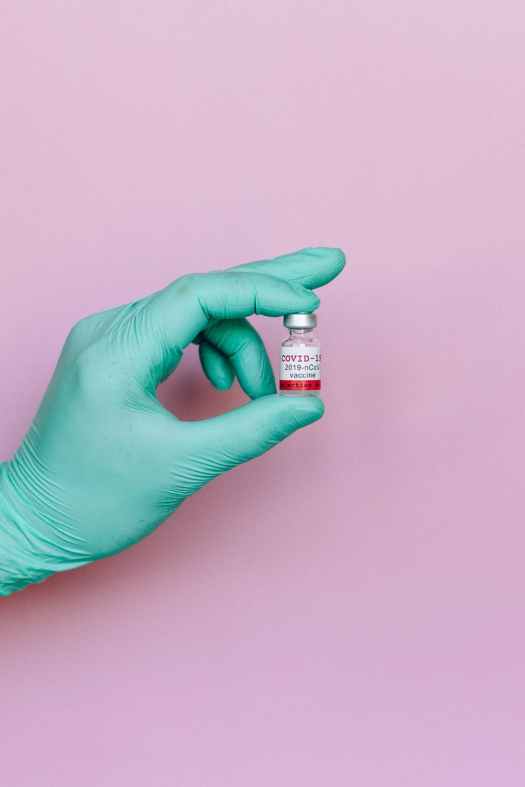
The COVID19 Vaccine offers an optimism from researchers, medical professionals as well as the general population at large. While Pfizer and Moderna are currently being administered to various members of the population, Moderna is working on a booster shot for the new South African strain of the virus. Not that we need this in our lives right now, but the new strain of the virus in the United Kingdom is reported to be even more deadly.

We all want to go back to living our lives the way we used to, but alas, here we are adjusting to this new way of life and quietly praying for things to get better real soon. It’s important that we adhere to the simple guidelines as suggested by the Center for Disease Control;

  • Wear a mask to protect yourself and others and stop the spread of COVID-19.
  • Stay at least 6 feet (about 2 arm lengths) from others who don’t live with you.
  • Avoid crowds. The more people you are in contact with, the more likely you are to be exposed to COVID-19.

One thing for certain, 2021 can be the year we use the experience of the countless lives lost to the virus, to adhere to the guidelines. Let’s make every effort to keep ourselves and our loved ones safe by doing everything we can to prevent the virus as far away as possible.

So what’s the plan?

Prevent getting sick

Photo by Askar Abayev

Falling for Fall

As we enter into the fourth quarter of the year, we can only look back with great wonderment of what we have experienced within the last 8 months of 2020. Last year this time, we were out and about with a sense of knowing how to best navigate through our day. Whether it is going in for a cancer screening, doctor’s appointment, therapy, work, shopping or just running some simple errands – those days are long gone. We are now living in the era of a pandemic that is taking the world by it’s throat.

The new protocols are set to help us mitigate the spread of the coronavirus. While there are some people who are resisting the guidelines set by the top healthcare professionals, there is a majority of people who understand the importance of taking a unified approach to not only protect themselves but to protect others.

Fall is here and the chill is in the air. It is the time where we stay indoors more often. Families are huddled at home keeping warm. Not to mention those who live with room mates where there is limited control on the comings and goings of each person, including whom they may bring into the space. There is also the homeless shelter mixed with families and others who are also sharing a space. Why are we considering these people? We are a part of society. We travel to and from work, use the public transportation, open and close doors, shop in the stores, ride in car services, among other things. The people who have the highest risk of dying from COVID-19 are those who have pre-existing conditions. If you have cancer or even as a cancer survivor, it is important to avoid being exposed to the virus.

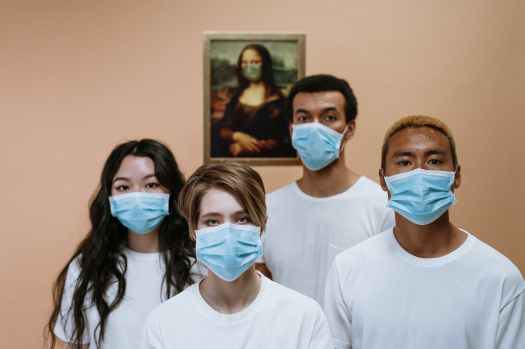
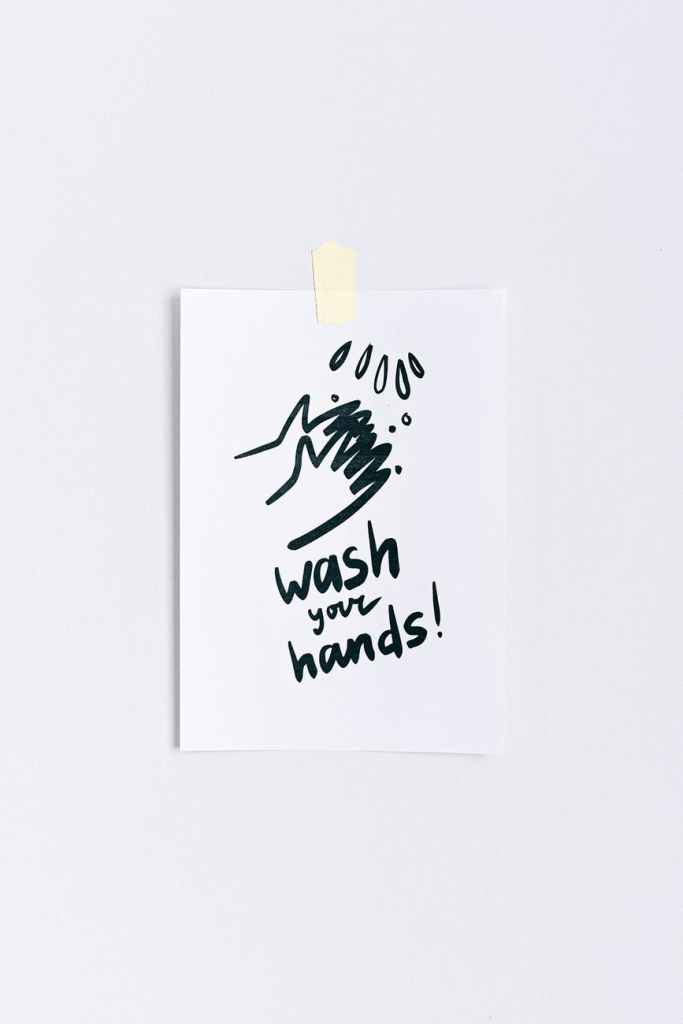
It is very important to make every effort to adhere to the standards of keeping a distance from others, wearing a mask, washing your hands and avoid touching your face. When you return to your living space, wash your hands. When you bring your groceries in, wipe them down with a disinfectant, wipe down the handles of the appliances, the door knobs, the faucets, any handle that is frequently used should be disinfected – including the handles on the toilet as well. I know it all seems to be a bit much but as we are still learning more about the virus each day, we cannot afford to let our guards down. With her most nurturing efforts, my mother would say – an ounce of prevention is worth more than a pound of cure. If only we could all take that approach, we may be able to get through this pandemic with less fatalities than we had in the height of the Spring and Summer season.

Cancer and Coronavirus

The challenge of cancer during a pandemic

Summer is here and what a year it has been. We are half way through the year and as it was just a mere six months ago when everyone who endured the winter season, looked forward to the warm weather and just before Spring arrived, we were faced with a terrifying virus that caused the country to ask their citizens to shelter in place while they figured out how to contain the coronavirus.

Everything changed within a matter of days. The number of cases climbed so high as hundreds of people were dying daily, then it was thousands and the hospitals were overwhelmed. New York was preparing for the worst using every resource available, including make shift hospitals in Central Park and the Jacob Javits Center. The Navy Hospital Ship Comfort came to help with the non-covid patients as the hospitals were running out of space and could not accommodate their regular level of patients.

It was just too much to take in. The news coverage was focused on hearing from the healthcare experts, while they too figured out how to address this relatively unknown monster. First, they said, just wash your hands and avoid touching your face, you’ll be just fine if you follow these simple rules. “Don’t wear a mask!” they emphasized, “Leave that to the health professionals.” We quickly learned that the advice was not enough. They initially thought it was most likely going to affect the elderly and immunocompromised – until it was not the case. The death rates were highest among the minority population, but make no mistake, people from all ages and races were dying. Yet, while all this was going on, some people pushed back and refused to take COVID-19 seriously they failed to adhere to the precautionary and safety measures. Somehow, it became about their constitutional rights.

However, for those with cancer, the concern is grave. What about the treatments? Will it affect my chance at survival? Can I go to the hospital for treatment? Will I catch the virus if I go to the hospital or my doctor’s office? How will I get there? Do I have a chance at all? Cancer patients are most vulnerable during treatment and cannot afford to be exposed to anything, not even the common cold. The body needs to work on regaining its health and as it is literally in the fight for life mode, the last thing it needs is to contract a virus, especially the coronavirus.

The plea to all is simply, wear a mask. Avoid large crowds, stay home, stay safe, try to keep your loved ones free from exposure even if you don’t feel sick or have any symptoms, you may be a carrier. In the event that you do not live with your family or have no plans to visit, be mindful that there are others who are merely trying to keep themselves and their loved ones safe.

In the meantime, for the cancer patient, avoid going out unless it is absolutely necessary this summer. Stay home, wash your hands whenever you are handling anything from the outside, clean it off. Disinfect your your door knobs, the handles or the area where you open and close the refrigerator door, your toilet handle, the faucet knobs/handles, any area where others may have touched the surfaces, you want to keep your environment clean. If you have a backyard, go out and plant some flowers, vegetables or plants. Read a good book, watch some movies or binge watch your favorite shows, try out some new shows. Be creative, cook, draw, paint, bake, write, join an online group that features your favorite hobby, watch some things of interest on YouTube. Whatever it takes to keep you occupied, take this time to make the best of being indoors. Most importantly, wear a mask, even when you are home and someone comes to visit.

Summer 2020 will come and pass, make it a safe and enjoyable one.

My Life. My Choice.

When faced with a diagnosis, one never really knows what they will do or how they will handle it. I never thought of it. I live a fairly healthy lifestyle. I avoid caffeine, alcohol, not much of a fan of sweets, rarely eat fast foods or take out. I take fitness classes alternating Pilates, spin/cycle and running throughout the week with Sunday as my rest day.

I had a pain in my side, it was beginning to concern me as it was not going away. At first I thought that it may have been caused by something I picked up, or pulled a muscle or some other reason. I decided that I would go and get checked, my doctor assumed by the description of my symptoms that I may have kidney stones. He referred me to a urologist who scheduled me for an ultrasound.

The pain was still there but it was not unbearable, just uncomfortable. I guess I was getting used to it. I had the ultrasound and was told that the doctor will call me with the results to schedule the surgery. I left feeling relieved. I looked forward to having the stones removed.

It was about five days later when the doctor’s office called and told me that I needed to come in for a follow up visit. I thought nothing of it as I just believed that it was to schedule the surgery to remove the kidney stones or at least discuss the options. I knew something was wrong when the doctor came in the room, she was different, she was not smiling, she sat down and signed on the computer while greeting me and asking me how I was doing – at the same time scrolling on the screen. Finally, she looked up at me, sighed and told me that I have kidney cancer.

Surprisingly, I just listened as she told me that I will have to have surgery to remove the cancer. It was a small mass and she said we can monitor it over time and as long as the mass is not growing, we can keep an eye on it. She also mentioned the ablation procedure which is less invasive and will have minimal to no side effects or we can remove the mass and try to preserve the kidney. She wanted me to think about it.

When I left the office, I sat in the car and just stared blankly not focusing on anything in particular. I think it was about 45 minutes before I started the car to leave the parking lot. I don’t even know how I made it home. I opened the door to my apartment, placed the keys on the table, went directly to my bed and fell asleep.

I woke up in the middle of the night and noticed that I had missed several calls. I went back to bed and laid there in the dark, quiet room alone. I thought about my day and how it all changed around 1:45 pm and it will never be the same again.

The next morning, I called my mother and left a message. She called me back and said that she was coming over for breakfast. She had no idea and was just excited to come over to my apartment, it has only been a year since I moved out after graduating college and started my first professional job. I knew that it would be very hard to tell my mother the news.

My mother and I had breakfast and after we finished, I told her that I was diagnosed with kidney cancer. She looked at me with her mouth wide open and a loud indescribable shriek came out. It was at that point that I hugged her and began to cry. It was the first time that I cried and I cried because she was crying. I wanted to be brave, but I broke down. After we were all cried out, it was as though we knew that it was time to figure out the next step. I shared the options with my mother and she recommended that I get a second opinion and then she would allow me to make the best decision for my treatment.

My mother said “Kim, I am here for you. Whatever you decide, it’s your choice. At that moment, I had another overwhelming feeling of fear. I had no idea what is best for me. I did not want to have the surgery so perhaps I should wait and see. Let’s monitor it. Then again, I should probably go with the ablation as it is less invasive with a quicker recovery time with little to no side effects (but what it was not all removed?). Maybe, I should just go for the full on removal option, I still have another kidney that works and once it’s gone I can get back to living my life. But why did I have cancer in my kidney? If I take it away, will it return for my other kidney? Whatever happens in the end, it is my life, my choice.