Does It Even Matter?

In 1964, the US Surgeon General wrote a report that indicated the dangers of smoking stating that the nicotine and tar found in cigarettes causes lung cancer. As a result, Congress passed an act that cigarettes should be labeled with a warning (Cigarette Labeling and Advertising Act). The label showed: Cigarettes may be hazardous to your health.

Over the years the tobacco companies tried to make adjustments to the amount of nicotine and tar, improving the filters with the intentions of allaying the fears of the consumer. However, the truth is there was still a health concern. In the 1980’s the companies had to place these warnings every three months on the cigarette boxes.

Since then many efforts have been made to discourage smoking. Smoking bans have reached hotels, planes, restaurants, bars, pubs and clubs. Some employers even banned smoking not only in the offices but also anywhere near the office building. These attempts only infuriated the smokers but in now way did it deter them from smoking. After all they have may seen their loved ones die of lung cancer, watched the price increase of cigarettes go up to $14.50 and yet they would scrape their change together and purchase the cigarettes.

In and effort to make and impact the Food & Drug Administration launched a campaign that some may call a bit too graphic but I wonder, does it even matter?

WARNING: Cigarettes are addictive.
Tobacco use can rapidly lead to the development of nicotine addiction, which in turn increases the frequency of tobacco use and prevents people from quitting. Research suggests that nicotine is as addictive as heroin, cocaine, or alcohol.

WARNING: Tobacco smoke can harm your children.
Secondhand smoke can cause serious health problems in children. Children who are exposed to secondhand smoke are inhaling many of the same cancer-causing substances and poisons as smokers.

WARNING: Cigarettes cause fatal lung disease.
Smoking causes lung diseases such as emphysema, bronchitis, and chronic airway obstruction. About 90 percent of all deaths from chronic obstructive lung disease are caused by smoking.

WARNING: Cigarettes cause cancer.
Smoking causes approximately 90 percent of all lung cancer deaths in men and 80 percent of all lung cancer deaths in women. Smoking also causes cancers of the bladder, cervix, esophagus, kidney, larynx, lung, mouth, throat, stomach, uterus, and acute myeloid leukemia. Nearly one-third of all cancer deaths are directly linked to smoking.

WARNING: Cigarettes cause strokes and heart disease.
More than 140,000 deaths from heart disease and stroke in the United States are caused each year by smoking and secondhand smoke exposure. Compared with nonsmokers, smoking is estimated to increase the risk of coronary heart disease and stroke by 2 to 4 times.

WARNING: Smoking during pregnancy can harm your baby.
Smoking during pregnancy can increase the risk of miscarriage, stillborn or premature infants, infants with low birth weight and an increased risk for sudden infant death syndrome (SIDS).

WARNING: Smoking can kill you.
More than 1,200 people a day are killed by cigarettes in the United States alone, and 50 percent of all long-term smokers are killed by smoking-related diseases. Tobacco use is the cause of death for nearly one out of every five people in the United States, which adds up to about 443,000 deaths annually.

WARNING: Tobacco smoke causes fatal lung disease in nonsmokers.
Nonsmokers who are exposed to secondhand smoke are inhaling many of the same cancer-causing substances and poisons as smokers. Nonsmokers who are exposed to secondhand smoke increase their risk of developing lung cancer by 20–30 percent.

WARNING: Quitting smoking now greatly reduces serious risks to your health.
Quitting at any age and at any time is beneficial. It’s never too late to quit, but the sooner the better. Quitting gives your body a chance to heal the damage caused by smoking.

There is no better day than today to quit smoking cigarettes and reclaim your health and well-being. Each cigarette you put out permanently reduces your risk of developing serious illnesses like cancer, heart disease, and respiratory problems. Quitting now, no matter how long you’ve smoked, significantly improves your health outcomes, allowing you to breathe easier, have more energy, and enjoy a longer, healthier life.

Remember, you are not alone in this journey, and there is ample support available. Resources such as the CDC’s Quitline (1-800-QUIT-NOW), Smokefree.gov, and the American Lung Association offer free and proven methods, from counseling and support groups to nicotine replacement therapies, all designed to empower you to break free from nicotine addiction and embrace a smoke-free future starting today.

The Unexpected Start of 2024


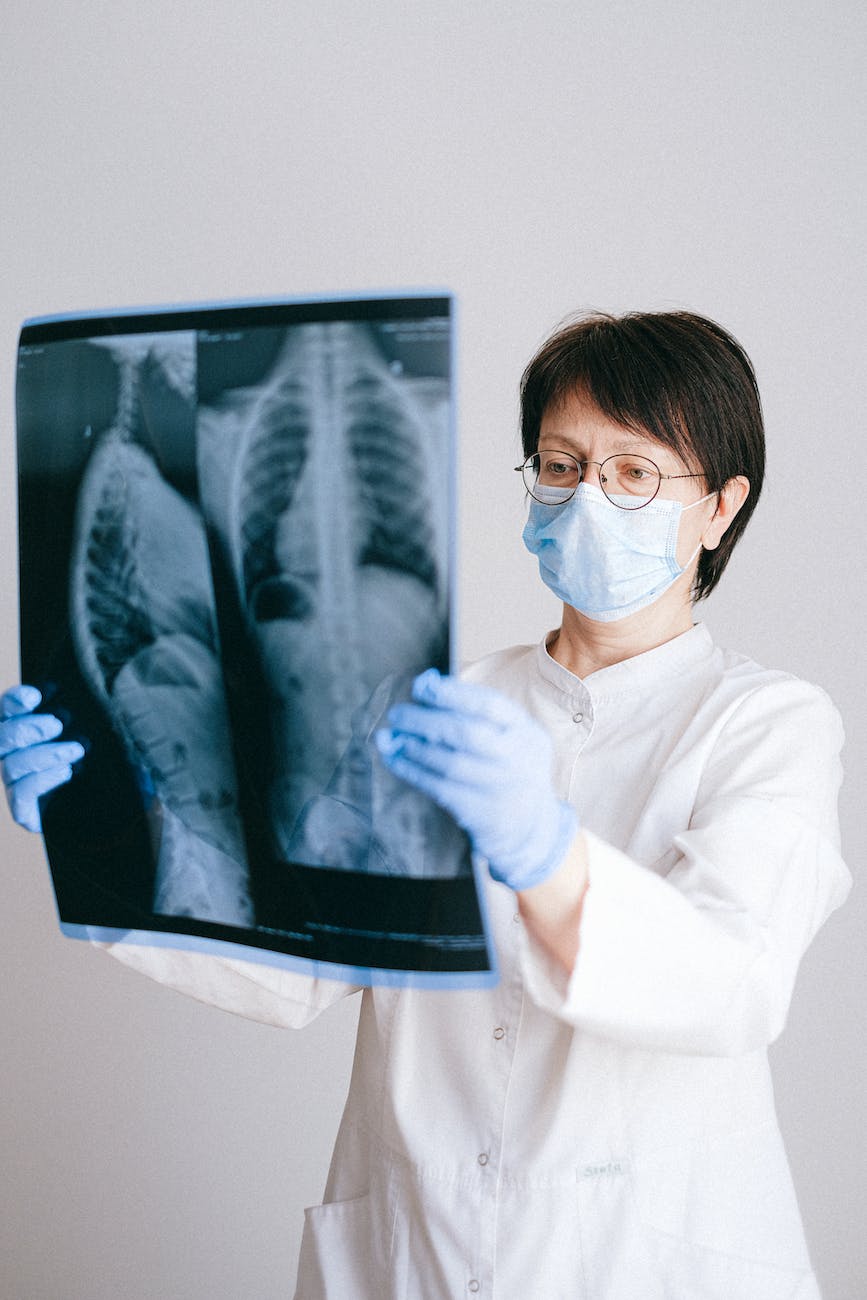
It was the first Sunday of the New Year! Awakened by an intense pain, she knew she would not make it to church. It was much too much. She had to get to the hospital, her husband got the car. It was very early, still dark, the sun had not yet appeared. In fact, the forecast of a snow storm was expected that day. The drive to the Emergency Department brought a great sense of relief as the pain would be taken care of.

The sterile white walls of the emergency room seemed to hum with fluorescent light, amplifying the thudding rhythm of Stephanie’s heart. Her back, the culprit of her visit, throbbed a dull counterpoint. But it was the doctor’s words, echoing in the sterile air, that truly stole her breath: “Two small nodules on your lung” the words echoing in the cavernous space of her skull. Small, he’d said. But the word echoed like a thunderclap, each syllable reverberating with uncertainty.

Stephanie, ever the pragmatist, had nodded politely, the news seemingly bouncing off her carefully constructed shield of composure. She’d asked clarifying questions, her voice betraying no hint of the tremor in her hands.

She’d come for the back pain, a nagging ache that had morphed into a sharp, unwelcome guest. But the CT scan, meant to reveal kidney stones or a pinched nerve, had unearthed something far more unsettling. Nodules. The word hung heavy, its weight threatening to crush the carefully constructed facade of calm she’d presented to the doctor.

In the quiet solitude of the examination room, the mask slipped. The ache in her back was forgotten, replaced by a chilling emptiness in her chest. Two nodules. What did they mean? Were they shadows, harmless wisps on her scan, or ominous portents of something worse?

Her mind, once a whirlwind of deadlines and errands, became a hurricane of possibilities. Images flashed, each one a grimmer echo of the last: needles glinting in sterile hands, hushed voices in sterile hallways, waiting rooms filled with the ghosts of unspoken anxieties.

The doctor’s reassurances, delivered with practiced optimism, felt like whispers in a storm. “Further tests, of course,” he’d said, “but try not to worry.” Try not to worry. Easier said than done when the future seemed to stretch before her, a vast, uncharted ocean, dotted with the treacherous reefs of “what ifs.”

She forced a smile for the nurse. The world outside seemed to have muted its colors, the vibrant reds and greens of the city park across the street replaced by a monochrome palette of fear.

The hours that followed were an eternity of waiting, of stealing glances at the clock, of replaying the doctor’s words in her head like a broken record. Each creak of the door, each hurried step in the hallway, sent her heart into a frantic dance.

But amidst the fear, a flicker of defiance. This wasn’t the end. Not yet. She would face this, this unwelcome shadow lurking in her lungs, with the same grit she’d faced every other challenge life had thrown her way.

She closed her eyes, picturing her grandmother and mother, recalling the foundation of faith, their prayers and resilience. They faced many challenges throughout their lives. “Life is a tapestry, Stephanie,” mother once said, her voice dramatically animated, “woven with threads of joy and sorrow, light and dark. But it’s up to you to choose the color of the final stitch.”

And so, Stephanie chose defiance. She would weave this thread, this dark, unexpected thread, into the tapestry of her life. It wouldn’t define her, wouldn’t erase the vibrant colors of her past or dim the possibilities of her future. It would be a challenge, a hurdle, but one she would face with courage, with hope, with the unwavering belief that even in the shadow of uncertainty, the final stitch could still be a thread of light.

As the day seemed over, the dark dreary clouds created a complete covering of the sky, as though it aligned with the unexpected news of the day. Taking a short walk to the car, still in pain, the earlier hopes of leaving the Emergency Department with some relief were dashed. Stephanie felt a shift within her. The fear was still there, a cold ember in her chest, but it was no longer the only thing she felt. There was defiance, a quiet resolve, a determination to weave this unexpected thread into a story of resilience, of facing the unknown with courage and grace.

The doctor’s referral would bring answers, some definitive, some shrouded in the grey fog of further tests. But for now, Stephanie found solace in the quiet strength that had risen within her. She would face this, she would fight, and she would, one stitch at a time, weave a tapestry of hope, even in the shadow of two small, ominous nodules.

Celebrating Medical Breakthroughs Yet Access to Clinical Trials Lacks Diversity

As one who advocates for affordable and access to quality healthcare, I am also engaged in research meetings, panel discussions and conferences to address the lack of diversity in clinical trials. Clinical trials are a vital part of medical research, but they have historically been conducted with a largely white, middle-class population. This lack of diversity in clinical trials can lead to problems, as it means that new drugs and treatments may not be effective for all groups of people. At this point, we know that medical interventions can no longer take the one size fits all approach.

We recognize that there are a number of challenges to making clinical trials more inclusive of the minority community. The trust factor is such that minority groups are often distrustful of the medical establishment. This distrust can be due to a history of discrimination and abuse, personal experience, as well as a lack of knowledge about clinical trials.

Another challenge is lack of communication, access to quality healthcare, lack of transportation, and lack of childcare. Despite these challenges, there are a number of things that can be done to make clinical trials more inclusive of the minority community. One important step is to raise awareness of clinical trials in minority communities. This can be done through public education campaigns, community outreach events, and social media.

Another important step is to make clinical trials more accessible. This can be done by providing transportation and childcare, and by making sure that clinical trials are conducted in convenient locations.

It is also important to make clinical trials more culturally sensitive. This can be done by hiring staff from minority communities, and by conducting research that is relevant to the needs of minority groups.

By taking these steps, we can make clinical trials more inclusive of the minority community. This will help to ensure that new drugs and treatments are safe and effective for all groups of people.

Let us look at some solutions to be more inclusive of the underrepresented population in clinical trials:

  • Increase diversity in the healthcare workforce. By increasing diversity in the healthcare workforce, we can create a more welcoming environment for minority patients and encourage them to participate in clinical trials.
  • Provide financial incentives for participation in clinical trials. Financial incentives can help to reduce the barriers to participation in clinical trials for minority patients.
  • Make clinical trials more accessible. Clinical trials should be conducted in convenient locations and should be available in multiple languages.
  • Increase public awareness of clinical trials. Public awareness campaigns can help to educate minority patients about clinical trials and the benefits of participating.
  • Partner with community organizations. Community organizations can help to connect minority patients with clinical trials and provide support during the trial process.

As I often say, in the year of our Lord now 2023, with all of the advancements in medicine, and with the knowledge of the disparities within the minority and underrepresented communities – we should have already addressed these concerns. We can make clinical trials more inclusive of the minority community and ensure that all patients have access to the latest medical advances.

Early Detection, and Prevention Makes A Difference

Every day, dare I add, every second of every day, someone somewhere will hear the words – you have cancer. Therefore, bringing awareness is important. Early detection may save your life and although there are campaigns to bring awareness, along with months to highlight a specific cancer – the fact remains cancer can happen at any time and it changes our lives forever.

Let’s take a gander:

  • January: Cervical Cancer Awareness Month
    • Recommended screenings: Pap test and human papillomavirus (HPV) test
  • February: National Cancer Prevention Month; Gallbladder and Bile Duct Cancer Awareness Month
    • Recommended screenings: Colorectal cancer screening (every 10 years starting at age 45), breast cancer screening (mammogram every 2 years starting at age 50), and cervical cancer screening (Pap test and HPV test every 3 years starting at age 21)
  • March: Colorectal Cancer Awareness Month; Kidney Cancer Awareness Month; Multiple Myeloma Awareness Month
    • Recommended screenings: Colorectal cancer screening (every 10 years starting at age 45), kidney cancer screening (blood test every year starting at age 45), and multiple myeloma screening (blood test every year starting at age 55)
  • April: Esophageal Cancer Awareness Month; Head and Neck Cancer Awareness Month; Testicular Cancer Awareness Month
    • Recommended screenings: Esophageal cancer screening (barium swallow every 5 years starting at age 50), head and neck cancer screening (oral cancer screening every 3 years starting at age 45), and testicular cancer screening (self-exam every month starting at age 15)
  • May: Melanoma Awareness Month; Brain Tumor Awareness Month; Leukemia & Lymphoma Society Light the Night Walk
    • Recommended screenings: Melanoma screening (skin self-exam every month and full-body skin exam by a doctor every year starting at age 20), brain tumor screening (MRI scan every year starting at age 50), and leukemia and lymphoma screening (blood test every year starting at age 45)
  • June: Prostate Cancer Awareness Month; National Cancer Survivors Day
    • Recommended screenings: Prostate cancer screening (PSA test every year starting at age 50)
  • July: Sarcoma Awareness Month
    • Recommended screenings: Sarcoma screening (there is no routine screening for sarcoma)
  • August: Childhood Cancer Awareness Month
    • Recommended screenings: Childhood cancer screening (there is no routine screening for childhood cancer)
  • September: Ovarian Cancer Awareness Month; Childhood Cancer Awareness Month
    • Recommended screenings: Ovarian cancer screening (blood test every year starting at age 50)
  • October: Breast Cancer Awareness Month; Domestic Violence Awareness Month
    • Recommended screenings: Breast cancer screening (mammogram every 2 years starting at age 50)
  • November: Lung Cancer Awareness Month; Pancreatic Cancer Awareness Month
    • Recommended screenings: Lung cancer screening (low-dose CT scan every year starting at age 55)
  • December: Leukemia & Lymphoma Society Light the Night Walk
    • Recommended screenings: Leukemia and lymphoma screening (blood test every year starting at age 45)

It is important to note that these are just recommended screenings. The best way to determine which screenings are right for you is to talk to your doctor.

National Colorectal Cancer Awareness Month

Cancer that begins in the colon is called colon cancer. If the cancer is found in the rectum, it is called rectal cancer. However, cancer that is found in either of these areas are also called colorectal cancer. Colorectal cancer occurs when there are tiny growths/polyps of abnormal cells that lines the wall of the colon or rectum. The colon and rectum are both found in the large intestine. The symptoms may include bloody stool, abdominal pain, bleeding of the rectum or feeling tired due to anemia. Sadly in most cases, there are no symptoms.

Here’s the deal – colorectal cancer advances with age. In fact, colorectal cancer is the second leading cause of cancer related deaths within the United States. However, with screening and early detection – lives are saved. The recommended age for screening begins at 45 but if you have a family history with colorectal cancer you may want to discuss with your physician. Additionally, younger people are now being diagnosed with colorectal cancer, do not assume that you are too young, discuss all changes and symptoms with your doctor.

There are several forms of screening. You really need to engage in a discussion with your physician. Find out which test will work best for you. Many have heard of the ever intrusive and some call it the dreadful colonoscopy. Dare I say, it may be considered dreadful only because it is inserted in the anal cavity and there is a bit of pre-colonoscopy preparations that must be completed. However, it accomplishes a great deal in detecting any abnormalities within the colon/rectal area and you wont have to take the test for another 10 years.

Another option would be the flexible sigmoidoscopy which a thin flexible tube known as a sigmoidoscope that is inserted into the rectum. The sigmoidoscope has a small video camera at the tip of the tube and it records the sights of the colon up to 2 feet of the large intestine. A plus for this procedure would be the ability to take tissue samples for further tests through this method and it is recommended for screening every 5 years. On the other hand, the sigmoidoscopy cannot pick up areas further along in the colon.

The fecal occult blood test is non invasive and is given annually. There is no intrusive procedures all you have to do is to smear your stool on to the cloth, pad or card which is chemically treated. The goal is to look at the results for a change in the color. If it turns blue that indicates that there is blood in the stool. Now blood in the stool can be an alarm for concern. However, it may not be cancer related therefore further tests may be ordered.

A CT scan X-rays the internal organs to make detailed pictures; a dye may be used to highlight the areas of concern. The good old reliable enema is also an option – the double contrast barium enema uses air to expand the colon which aids for better images along with the barium.

Colon cancer is one that may be prevented with a healthy well balanced diet which includes foods rich in high fiber, vegetables, fruits and nuts. Exercise is key to maintaining a healthy weight. Avoid processed meats, red meats, drinking alcohol and smoking cigarettes. Nothing is ever certain but the old saying ‘an ounce of prevention is worth more than a pound of cure’ really fits well right here. March is the colorectal cancer awareness month perhaps it is time to march on over to your doctors office and discuss your options.

Help! I Cannot Afford My Prescription Drugs

Every now and then you need to hear some good news, especially when you’re having treatment for a disease that can be quite costly. Well, here’s the great news!!!

There are resources out there to assist those who are having a difficult time paying for your prescriptions. Now before I begin, I need you to promise that you will share this information with everyone you know. Who knows? They may need this information or know someone who could use this as well.

These resources may be able to help you in the following areas:

*Assistance with applying for help
*Assistance with your insurance reimbursement
*Free or discounts for patients who may not qualify for other services
*Referrals to co-pay relief programs

Let’s begin with the Partnership for Prescription Assistance. The PPA has a list of pharmaceutical programs and other resources for financial assistance on their website. You can also call them at 1(888) 477-2669.

But wait, there’s more…

Advocate My Meds

1-877-870-0851

advocatemymeds.com

CancerCare Co-Payment Assistance Foundation
1-866-55-COPAY
www.cancercarecopay.org

Chronic Disease Fund
1-877-968-7233
www.cdfund.org

Healthwell Foundation
1-800-675-8416
www.healthwellfoundation.org

The Leukemia & Lymphoma Society’s Co-Pay Assistance Program
1-877-557-2672
www.lls.org/copay

National Organization for Rare Disorders
1-800-999-6673 (Voicemail only)
1-203-744-0100
www.rarediseases.org

Patient Access Network Foundation
1-866-316-7263
www.panfoundation.org

Patient Advocate Foundation Co-Pay Relief Program
1-866-512-3861
www.copays.org

Patient Services Incorporated
1-800-366-7741
www.uneedpsi.org

Now don’t forget to share this with everyone you know. Use the options here on the blog or copy and paste the link.

A Powerful Health Benefit – Meditation

Meditation has become quite the subject of controversy. The conflicts arise in the various religious takes on the act of meditation. The bible has many references to meditation. The spiritual benefit is to experience the ultimate connection with God. However, some Christians believe that Meditation has shifted away from God and moved to the power of the self and in some cases, other Gods. Hinduism, Buddhism, Islam, New Age, Taoism and Jainism all embrace and promote meditation. It is an integral part of practice that they strongly believe will serve to enlighten and empower us. With respect to all religions, I would recommend mediation based on the findings of research studies that show some of the great health benefits. In fact, according to the National Institute of Health, meditation has been shown to help relieve anxiety, stress, fatigue, and improve sleep and mood, when used along with standard medical treatment for some cancer patients. Here’s a look at the benefits:

  • It leads to a deeper level of relaxation
  • Increases exercise tolerance in heart patients
  • Slows the heart rate and increases the blood flow
  • Reduces pre menstrual syndrome
  • Lowers oxygen consumption
  • Assist in chronic diseases like arthritis, allergies, etc.
  • Boosts the immune system
  • Reduces anxiety attacks
  • Builds self confidence
  • Helps keep things in perspective
  • Provides peace of mind, happiness
  • Helps you discover your purpose
  • Increased self-actualization
  • Gain compassion
  • Wisdom
  • Clearer understanding of yourself and others
  • Unites the body, mind, spirit in harmony
  • Higher level of spiritual relaxation
  • Increases acceptance of oneself
  • Helps you to learn forgiveness
  • Changes your attitude toward life

The great news is that meditation does not cost you anything but your time. It requires consistency and a quiet place, preferably the same time if possible. Some place where you can focus on being still and cleanse the mind of negative thoughts while replacing the mind with positive affirmations. Keep in mind that this will take some time as your mind is filled with many thoughts that you have held over the years that’s where consistency is key. Don’t be alarmed if you find that you are having a tough time concentrating on being still – that’s when your mind begins to distract you with thoughts (what you would like to have for dinner, something you needed to do at work, plans for an event, etc.). Keep focused on being quiet let the thoughts flush through and begin to focus on quieting the mind. You may want to repeat a line in your mind “Nothing is impossible” or “I can do all things” – something that will give you a sense of calm. The goal of meditation is to lift your spirit to another level which should sustain you even when you are up and about. Why not give it a try, it may be the best thing you have ever done. Remember, consistency is key to experience the benefits of meditation.

SOLUTIONS Cancer Resource Center announces partnership with NIH Research Initiative

SOLUTIONS Cancer Resource Center  is proud to announce its partnership with the National Institutes of Health (NIH)’s All of Us Research Program through its Community Advocate Network (CAN). 

All of Us is a large research program working to enroll one million or more participants across the U.S., including people and communities who have historically been left out of medical research. The goal is to collect and share data to fuel new insights into human health, thereby accelerating health and medical research that enables individualized prevention, treatment, and care.

Community Advocate Network organizations support All of Us by:

  • helping advance the overall All of Us mission; 
  • advocating for diversity in biomedical research and describing how All of Us accomplishes that goal;
  • encouraging enrollment into the program where appropriate within their respective member communities to help create diverse representation in All of Us; and
  • making investigators aware of opportunities to use All of Us data in their research.

At SOLUTIONS we heartily support the All of Us mission. We are committed to being a strong advocate for under-served communities, focusing on educating and empowering others with information aimed at prevention, early detection and assistance. We also act as a liaison to bridge the communication gap between the doctor and patient. With our participation in supporting All of Us, we are able to bring this important message to members of our community and to ensure individuals have access to this source of empowerment.
Learn more about more about All of Us and how you too can support this program at joinallofus.org/NYadvocates

Health & Wellness begins on Monday

Photo by Julia Larson

Are you one of those who will make the weekend decision to begin on Monday? “Starting on Monday I will eat healthy, exercise and try to maintain a healthy diet and weight.” Of course, there are those who will make the attempt on Monday and successfully make it through the week with their goals. However, there are some who with the best intentions fall off the track simply by eating a snack or making a food choice that they know is not the best healthy choice – using that moment to then continue to eat whatever and as much as they want with the new proclamation to begin the healthy plan again next week. There are also the office events, someone’s leaving, someone’s birthday, someone felt like bringing in a homemade pie or cookies, etc. and you certainly do not want to offend anyone so you indulge. On the other hand, it may be missing the morning run or a gym day. Whatever the situation, do not allow it to take you completely off your track.

Photo by Julia Larson

Keep in mind that you are working to improve your health and wellness. Therefore,you will need to make the necessary adjustments. So you missed a day at the gym, or you woke up late and could not go for your walk/run, you enjoyed a meal or snack that is not on your healthy plan list, the next meal should be one that is healthy. If possible, use the stairs on your way out of the office. Once you are home, plan to do some jumping jacks, sit ups, push ups, and any other indoor exercises that may work for you.

Photo by Julia Larson

Good health requires consistency and it is a work in progress. The challenge is to eat healthy and maintain a well balanced diet to enjoy a healthy and prolonged life. Keep moving through the detours, you will find that you are well on your way in the right direction. It is very important to note that diet and exercise may lower your risk for cancer and here’s more on helping cancer survivors eat better and exercise more.

New Year! What’s The Plan

We’re well into the first month of the 2021 with COVID19 and the new strains of the virus, schools are shutting down due to positive cases, many places of businesses have closed, people are working from home, millions are unemployed, yet there has been a sense of hope for a turn around in 2021.
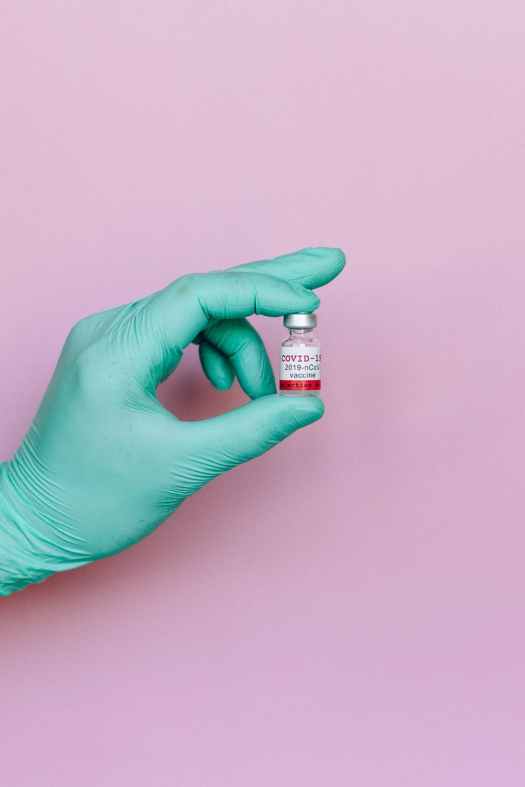
The COVID19 Vaccine offers an optimism from researchers, medical professionals as well as the general population at large. While Pfizer and Moderna are currently being administered to various members of the population, Moderna is working on a booster shot for the new South African strain of the virus. Not that we need this in our lives right now, but the new strain of the virus in the United Kingdom is reported to be even more deadly.

We all want to go back to living our lives the way we used to, but alas, here we are adjusting to this new way of life and quietly praying for things to get better real soon. It’s important that we adhere to the simple guidelines as suggested by the Center for Disease Control;

  • Wear a mask to protect yourself and others and stop the spread of COVID-19.
  • Stay at least 6 feet (about 2 arm lengths) from others who don’t live with you.
  • Avoid crowds. The more people you are in contact with, the more likely you are to be exposed to COVID-19.

One thing for certain, 2021 can be the year we use the experience of the countless lives lost to the virus, to adhere to the guidelines. Let’s make every effort to keep ourselves and our loved ones safe by doing everything we can to prevent the virus as far away as possible.

So what’s the plan?

Prevent getting sick

Photo by Askar Abayev