Challenges of Surviving Cancer

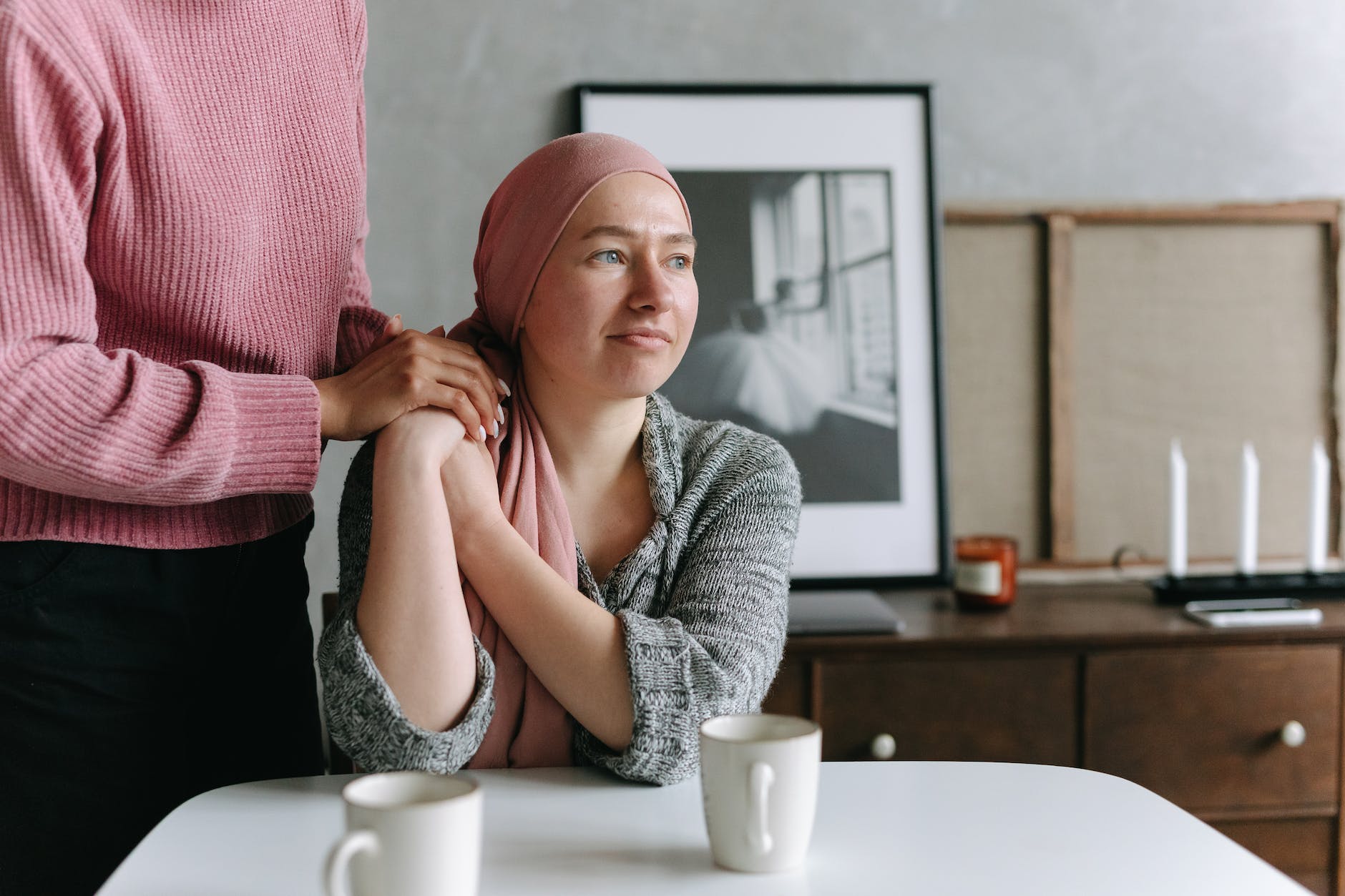
Photo by Anna Tarazevich

Surviving cancer is a difficult journey, and there are many challenges that survivors face. One of the biggest challenges is the fear of recurrence. Survivors often worry that their cancer will come back, and this can be a major source of anxiety. Another challenge is the guilt of surviving. Survivors may feel guilty that they survived when others did not, or they may feel guilty about the side effects that they have experienced.

These challenges can be difficult to cope with, but there are things that survivors can do to help themselves. One important thing is to talk to a therapist or counselor. Therapy can help survivors to deal with their fears, guilt, and other emotions. It can also help survivors to develop coping mechanisms and to build a support network.

Another important thing that survivors can do is to take care of their physical and mental health. This means eating a healthy diet, getting enough exercise, and getting enough sleep. It also means taking care of their mental health by practicing relaxation techniques and by talking to friends and family members.

Surviving cancer is a difficult journey, but it is a journey that can be survived. By taking care of themselves and by getting the support they need, survivors can overcome the challenges that they face and live a healthy and happy life.

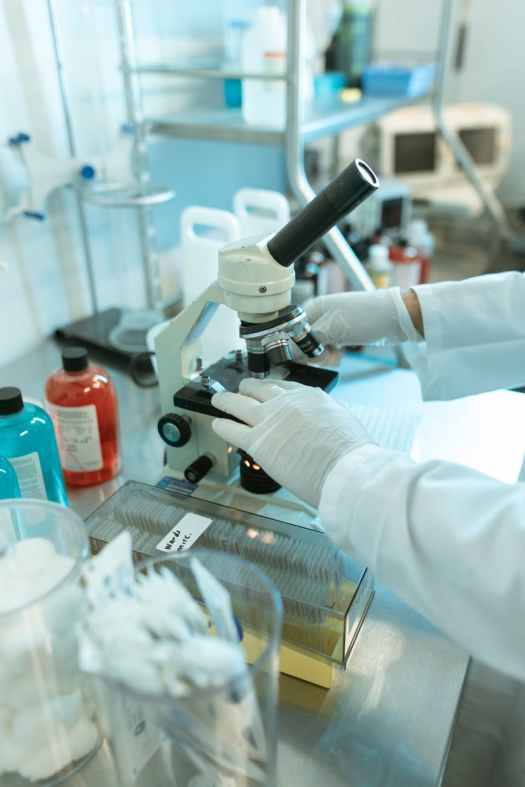
Photo by Thirdman

Here are some additional tips for survivors of cancer:

  • Stay positive. It is important to stay positive and to focus on the good things in life. This can be difficult, but it is important to remember that you are not alone and that there are people who care about you.
  • Connect with others. It is important to connect with others who have survived cancer. This can be done through support groups, online forums, or simply by talking to friends and family members who have been through similar experiences.
  • Take care of yourself. It is important to take care of yourself, both physically and mentally. This means eating a healthy diet, getting enough exercise, and getting enough sleep. It also means taking care of your mental health by practicing relaxation techniques and by talking to friends and family members.
  • Be patient. It takes time to recover from cancer. Be patient with yourself and with others. Do not expect to be back to normal overnight.

Celebrate your successes. It is important to celebrate your successes, no matter how small they may seem. This will help you to stay positive and to focus on the good things in life.

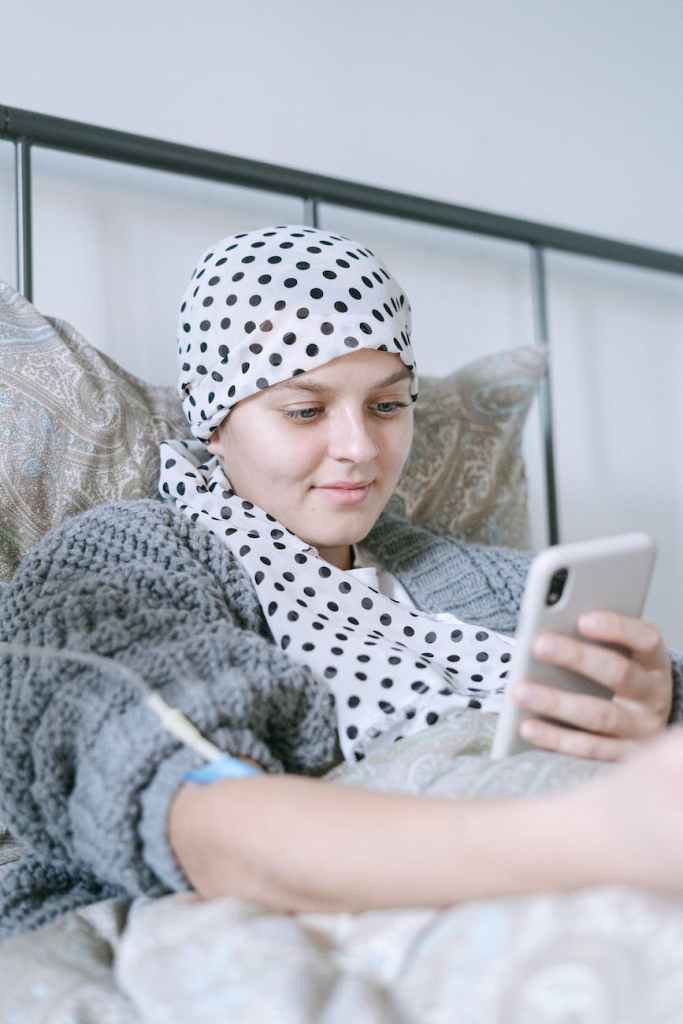
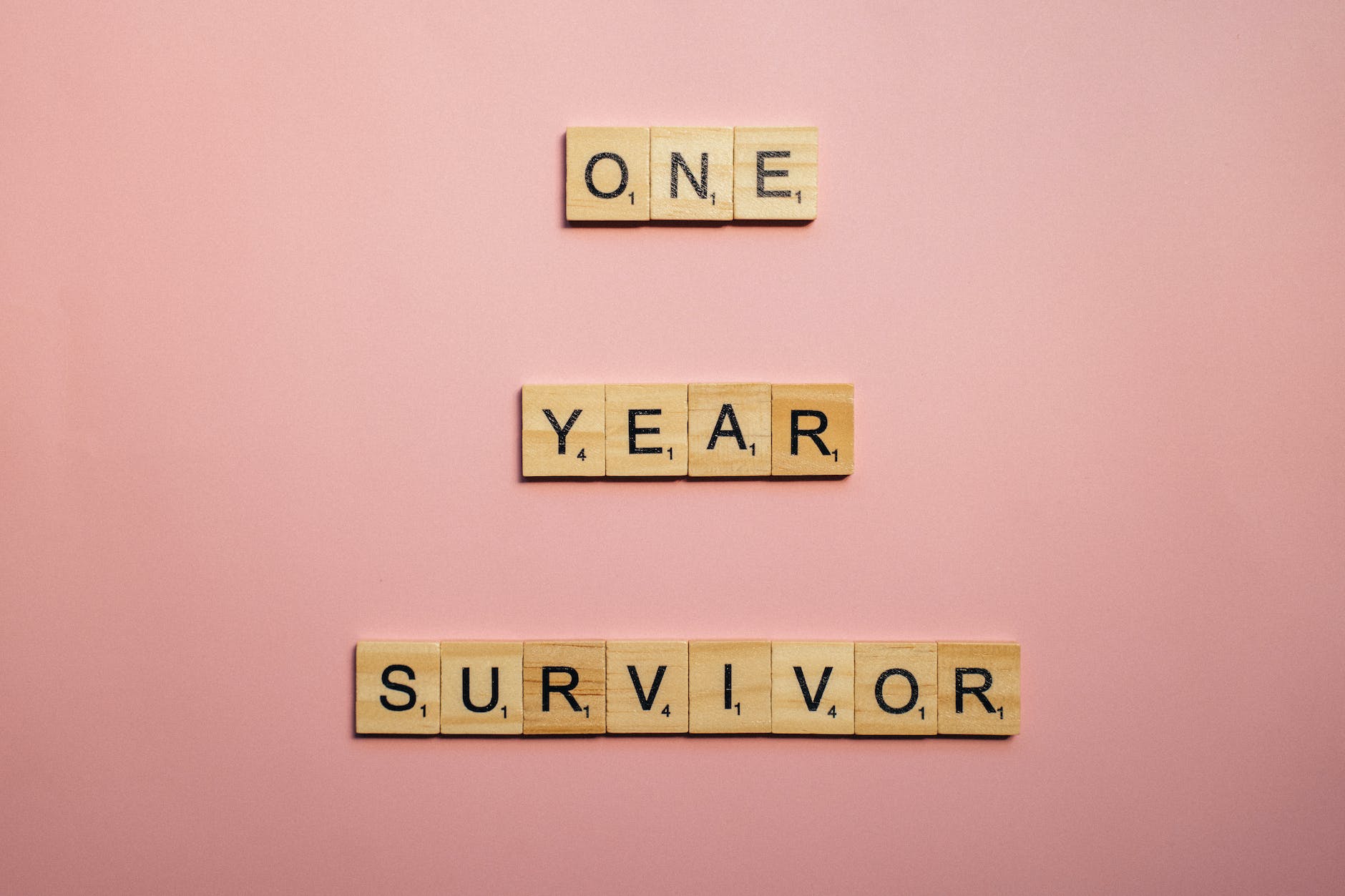
Photo by Tara Winstead

Young and Diagnosed with Colon Cancer

While the screening age was changed from 50 to 45 years old, the number of young adults with colon cancer are on the rise. There are many factors that may have contributed to the surge in cases of the younger generations. One can only imagine that diet and the lack of exercise along with other habits may be responsible as well. In fact, the projections indicate that colon cancer will be the leading cause of death for those ages 20 -49 by the year 2030 which is pretty close as time flies.

Unfortunately, in some cases of young adults with colon cancer – the process of being diagnosed takes much longer as they are often addressing the typical concerns that may be similar to the symptoms of crohn’s disease, irritable bowel syndrome, among other life altering diseases. It is important to know your family’s health history, however, it is also important to follow through with your doctor – share symptoms, inquire about screening. Early detection may save your life.

National Colorectal Cancer Awareness Month

Cancer that begins in the colon is called colon cancer. If the cancer is found in the rectum, it is called rectal cancer. However, cancer that is found in either of these areas are also called colorectal cancer. Colorectal cancer occurs when there are tiny growths/polyps of abnormal cells that lines the wall of the colon or rectum. The colon and rectum are both found in the large intestine. The symptoms may include bloody stool, abdominal pain, bleeding of the rectum or feeling tired due to anemia. Sadly in most cases, there are no symptoms.

Here’s the deal – colorectal cancer advances with age. In fact, colorectal cancer is the second leading cause of cancer related deaths within the United States. However, with screening and early detection – lives are saved. The recommended age for screening begins at 45 but if you have a family history with colorectal cancer you may want to discuss with your physician. Additionally, younger people are now being diagnosed with colorectal cancer, do not assume that you are too young, discuss all changes and symptoms with your doctor.

There are several forms of screening. You really need to engage in a discussion with your physician. Find out which test will work best for you. Many have heard of the ever intrusive and some call it the dreadful colonoscopy. Dare I say, it may be considered dreadful only because it is inserted in the anal cavity and there is a bit of pre-colonoscopy preparations that must be completed. However, it accomplishes a great deal in detecting any abnormalities within the colon/rectal area and you wont have to take the test for another 10 years.

Another option would be the flexible sigmoidoscopy which a thin flexible tube known as a sigmoidoscope that is inserted into the rectum. The sigmoidoscope has a small video camera at the tip of the tube and it records the sights of the colon up to 2 feet of the large intestine. A plus for this procedure would be the ability to take tissue samples for further tests through this method and it is recommended for screening every 5 years. On the other hand, the sigmoidoscopy cannot pick up areas further along in the colon.

The fecal occult blood test is non invasive and is given annually. There is no intrusive procedures all you have to do is to smear your stool on to the cloth, pad or card which is chemically treated. The goal is to look at the results for a change in the color. If it turns blue that indicates that there is blood in the stool. Now blood in the stool can be an alarm for concern. However, it may not be cancer related therefore further tests may be ordered.

A CT scan X-rays the internal organs to make detailed pictures; a dye may be used to highlight the areas of concern. The good old reliable enema is also an option – the double contrast barium enema uses air to expand the colon which aids for better images along with the barium.

Colon cancer is one that may be prevented with a healthy well balanced diet which includes foods rich in high fiber, vegetables, fruits and nuts. Exercise is key to maintaining a healthy weight. Avoid processed meats, red meats, drinking alcohol and smoking cigarettes. Nothing is ever certain but the old saying ‘an ounce of prevention is worth more than a pound of cure’ really fits well right here. March is the colorectal cancer awareness month perhaps it is time to march on over to your doctors office and discuss your options.

Meditation – Get It Right

I received emails with questions about various topics I’ve discussed on the Health and Wellness Show that have a similar inquiry – Meditation.

Does it seem like everyone else who meditates and talks about the benefits have it together? Well, the truth is, I talk about meditation and how great it is. However, it took me quite some time to get it right – well, I am actually a work in progress. I have heard about the benefits of meditation by many successful people and even more importantly, I have seen references to meditation in the bible. Needless to say, I decided that I would go for it. My family was alerted to my plan and they knew that I was not to be disturbed unless the house was on fire.

I would go into my room, turn the lights off, sit on the floor with my feet folded in front and my eyes closed. I sit and begin to clear my mind, listen to my breathing and try to center myself – sounds impressive? Well, far from it. I find that even though I am doing all the things I am supposed to do, I am distracted by the silence. I am thinking of dinner, my tasks, my goals, etc. I would sit there and then force myself not to think of those thoughts and try to block out the thoughts and focus on nothing. What is nothing? How do you focus on nothing? I try to blank it all out and by the time I think I have found that space of not being distracted, I am now disappointed at myself for not getting it sooner. There’s goes my meditation.

Well, that went on for quite some time. The best thing ever was that I did not give up. Here are a few tips that I found to be helpful:

1. Give yourself time to get it right
2. Set aside 10-15 minutes to try it out every day at the same time (if you can)
3. Go into a quiet room where you wont be distracted
4. Get comfortable sit on the floor, you can turn the lights off, light a candle, or dim the
lights
5. Allow yourself to quiet your mind by focusing on a mantra – repeat it to yourself until you
are comfortable to let it go and just be still

Keep in mind that it may take up to 20 minutes before you can clear your mind into silence. By the time you achieve silence, stick with it for as long as you can. As time goes by with consistency you will master the art of meditation. Who knows, you may be getting up at 5:00 AM to meditate for an hour.

Help! I Cannot Afford My Prescription Drugs

Every now and then you need to hear some good news, especially when you’re having treatment for a disease that can be quite costly. Well, here’s the great news!!!

There are resources out there to assist those who are having a difficult time paying for your prescriptions. Now before I begin, I need you to promise that you will share this information with everyone you know. Who knows? They may need this information or know someone who could use this as well.

These resources may be able to help you in the following areas:

*Assistance with applying for help
*Assistance with your insurance reimbursement
*Free or discounts for patients who may not qualify for other services
*Referrals to co-pay relief programs

Let’s begin with the Partnership for Prescription Assistance. The PPA has a list of pharmaceutical programs and other resources for financial assistance on their website. You can also call them at 1(888) 477-2669.

But wait, there’s more…

Advocate My Meds

1-877-870-0851

advocatemymeds.com

CancerCare Co-Payment Assistance Foundation
1-866-55-COPAY
www.cancercarecopay.org

Chronic Disease Fund
1-877-968-7233
www.cdfund.org

Healthwell Foundation
1-800-675-8416
www.healthwellfoundation.org

The Leukemia & Lymphoma Society’s Co-Pay Assistance Program
1-877-557-2672
www.lls.org/copay

National Organization for Rare Disorders
1-800-999-6673 (Voicemail only)
1-203-744-0100
www.rarediseases.org

Patient Access Network Foundation
1-866-316-7263
www.panfoundation.org

Patient Advocate Foundation Co-Pay Relief Program
1-866-512-3861
www.copays.org

Patient Services Incorporated
1-800-366-7741
www.uneedpsi.org

Now don’t forget to share this with everyone you know. Use the options here on the blog or copy and paste the link.

And A Happy New Year

At this point, the years are swiftly coming and leaving us to figure out where it went and how we can ensure that this year we will be able to maximize our time. While some may make resolutions, list their goals and create vision boards, which by the way I have certainly done, I have adjusted to working on my goals until they are completed.

Here is a list of things that we should all do this year –

  1. Take care of your health and well-being – schedule your doctor’s visits, get a complete physical, discuss the screenings that you may need with your doctor, keep track of your diet and exercise.
  2. Make moments matter – read a book, watch a movie, sit in silence for 5 minutes, revisit that hobby, listen to your favorite music, learn a new language, call a family member, friend or an elderly person that you know just to say hello.
  3. Meditate and pray daily – the benefits of meditation and prayer are priceless.
  4. Keep a journal, jot down your thoughts and ideas as they come. No pressure to write daily. However, write it down whenever something comes to mind you do not want to lose it. You may not get to it right away but you can have a reminder in place when you look in your journal.
  5. Be intentional – with all of our best intentions, in order for these things to happen, we will need to be intentional.

Cheers to the quote “If it is to be, it is up to me.” – William Johnsen

Go Forth!

A Powerful Health Benefit – Meditation

Photo by Engin Akyurt

A Powerful Health Benefit – Meditation

Meditation has become quite the subject of controversy. The conflicts arise in the various religious takes on the act of meditation. The bible has many references to meditation. The spiritual benefit is to experience the ultimate connection with God. However, some Christians believe that Meditation has shifted away from God and moved to the power of the self and in some cases, other Gods. Hinduism, Buddhism, Islam, New Age, Taoism and Jainism all embrace and promote meditation. It is an integral part of practice that they strongly believe will serve to enlighten and empower us. With respect to all religions, I would recommend mediation based on the findings of research studies that show some of the great health benefits. In fact, according to the National Institute of Health, meditation has been shown to help relieve anxiety, stress, fatigue, and improve sleep and mood, when used along with standard medical treatment for some cancer patients. Here’s a look at the benefits:

  • It leads to a deeper level of relaxation
  • Increases exercise tolerance in heart patients
  • Slows the heart rate and increases the blood flow
  • Reduces pre menstrual syndrome
  • Lowers oxygen consumption
  • Assist in chronic diseases like arthritis, allergies, etc.
  • Boosts the immune system
  • Reduces anxiety attacks
  • Builds self confidence
  • Helps keep things in perspective
  • Provides peace of mind, happiness
  • Helps you discover your purpose
  • Increased self-actualization
  • Gain compassion
  • Wisdom
  • Clearer understanding of yourself and others
  • Unites the body, mind, spirit in harmony
  • Higher level of spiritual relaxation
  • Increases acceptance of oneself
  • Helps you to learn forgiveness
  • Changes your attitude toward life

The great news is that meditation does not cost you anything but your time. It requires consistency and a quiet place, preferably the same time if possible. Some place where you can focus on being still and cleanse the mind of negative thoughts while replacing the mind with positive affirmations. Keep in mind that this will take some time as your mind is filled with many thoughts that you have held over the years that’s where consistency is key. Don’t be alarmed if you find that you are having a tough time concentrating on being still – that’s when your mind begins to distract you with thoughts (what you would like to have for dinner, something you needed to do at work, plans for an event, etc.). Keep focused on being quiet let the thoughts flush through and begin to focus on quieting the mind. You may want to repeat a line in your mind “Nothing is impossible” or “I can do all things” – something that will give you a sense of calm. The goal of meditation is to lift your spirit to another level which should sustain you even when you are up and about. Why not give it a try, it may be the best thing you have ever done. Remember, consistency is key to experience the benefits of meditation.

Coping with Illness & Loss During the Holidays…

♪♪Tis the season to be jolly♪♪

It is that time of the year as we are reminded through the songs, the smiling faces, the decorations, the gifts and all of the parties. While, the atmosphere is in a festive mood, sadly not everyone is sharing in the joy of the season. There are families who are having a tough time during the jubilant season.

This may be the first time that everyone is gathered to spend the day as they always do except that there is something different this time, someone is obviously missing. The loss may be from a divorce, separation, military deployment, illness or death. Whatever the reason, it can affect the mood of those who are facing the holidays without their loved one.

The first Thanksgiving without my father was difficult as he was the family chef during the holidays. Our mother cooked all of the meals throughout the year – Thanksgiving and Christmas was a feast on another level. We considered having our dinner catered. We just wanted to gather together and have dinner and spend our time together as a family. While we were grateful for the years we shared with our father, we were in the midst of mourning all that he meant to us especially on a day where we looked forward to his delicious spread.

 In the case where your loved one is in the hospital, nursing home or rehabilitation facility, perhaps a visit will cheer everyone up. It will definitely make your loved one feel better knowing that they are not forgotten..

Remembering the good times is key. Memories may deliver a mixture of emotions. One moment there may be tears as you wish that your loved one could be with you all, while the next moment may be filled with laughter as you recall the happy times. Laughter is the best medicine, I know this for sure, laughter has helped us through some very tough times during the holidays. It sure takes adjusting especially in the cases where there is a permanent loss.

There is a saying ‘Time heals all wounds’ which it does. However, it takes time – some longer than others. The best way to cope is to acknowledge your feelings then allow yourself to embrace the transition of understanding that while life will never be the same, your life must go on.

SOLUTIONS Cancer Resource Center announces partnership with NIH Research Initiative

SOLUTIONS Cancer Resource Center  is proud to announce its partnership with the National Institutes of Health (NIH)’s All of Us Research Program through its Community Advocate Network (CAN). 

All of Us is a large research program working to enroll one million or more participants across the U.S., including people and communities who have historically been left out of medical research. The goal is to collect and share data to fuel new insights into human health, thereby accelerating health and medical research that enables individualized prevention, treatment, and care.

Community Advocate Network organizations support All of Us by:

  • helping advance the overall All of Us mission; 
  • advocating for diversity in biomedical research and describing how All of Us accomplishes that goal;
  • encouraging enrollment into the program where appropriate within their respective member communities to help create diverse representation in All of Us; and
  • making investigators aware of opportunities to use All of Us data in their research.

At SOLUTIONS we heartily support the All of Us mission. We are committed to being a strong advocate for under-served communities, focusing on educating and empowering others with information aimed at prevention, early detection and assistance. We also act as a liaison to bridge the communication gap between the doctor and patient. With our participation in supporting All of Us, we are able to bring this important message to members of our community and to ensure individuals have access to this source of empowerment.
Learn more about more about All of Us and how you too can support this program at joinallofus.org/NYadvocates

Precision Medicine and Oncology

It was 21 years ago when TIME magazine’s cover featured the promising and hope filled drug Gleevec – the revolutionary pill that will target only the diseased cells – May 28, 2001. The presentation by Dr. George Demetri posed the question, How can we best translate science into reliable effective therapy for people with cancer? The idea that cancer was once a monolithic “black box” which was able to define each type by its site of origin. Cancer found in the breast was known as breast cancer, found in the lung – lung cancer, prostate cancer, colon cancer, and others were all treated with the one size fits all approach.

Moving forward, a breakthrough in identifying lung cancer for the various sub-types of cancers helped to bring forth new methods of treatments. Specific targeted therapies were developed and the evolution of cancer treatments were well on its way to making strides for the patient community.

Precision medicine is focused on what is driving the cancer. With the ability to conduct clinical research, Larotrectinib and Entrectinib, two different drugs made by two different companies, both used to treat advanced or metastatic solid tumor cancers with neurotrophic tyrosine receptor kinase (NTRK) gene fusions – providing a successful outcome for the patients as the shrinking tumors helped to prolong lives.

Needless to say, with all the progress made, the challenges remain. While precision medicine is highly effective for patients, it has only benefited 20-30% of cancers. The majority of cancers do not have a single “driver”. Like viruses and other pathogens, cancer cells continue to evolve into resistant forms. The molecular diagnostics are costly, and the possibility of being misdiagnosed is still a factor. There is a need for safer drug combinations to cure more cancers.

Overall, the excitement remains high as we look to the advancements in treatment therapies being able to identify the best plan for each individual who presents with cancer. Precision medicine has created a much needed shift in making an effective and efficient mark to prolonging lives and improving or maintaining the quality of life. The patients, the advocates and caregivers are eagerly awaiting for the next breakthrough.

Presentation on Precision Medicine and Oncology by Dr. George Demetri, Boston Dana-Farber Cancer Institute, at the AACR Annual Meeting 2022, Scientist↔Survivor Program.