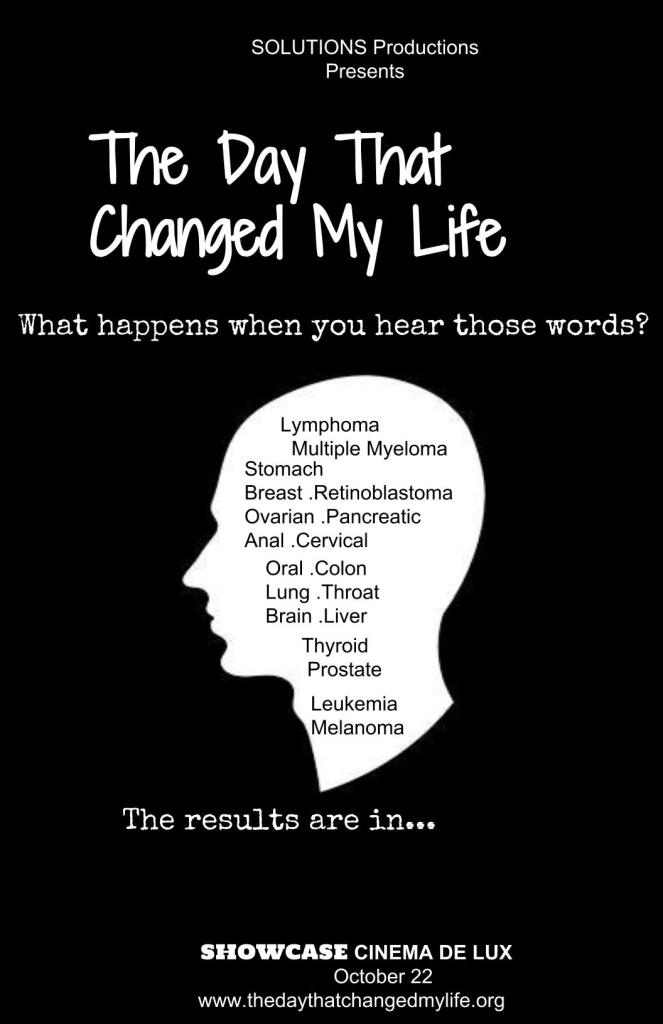
“The Day That Changed My Life: Cancer – An Uncertain Journey” offers a raw and honest portrayal of the challenges and triumphs faced by individuals battling cancer. Available on Amazon Prime and Audible as the live theatrical play, documentary, and audiobooks. These compelling narratives provide a deeply personal perspective on the emotional, physical, and psychological impact of this disease.
Through a powerful blend of storytelling and multimedia, this production explores the complexities of a cancer diagnosis, the arduous journey of treatment, and the enduring hope that sustains patients and their loved ones. By sharing personal experiences and insights, hearing from the parents whose child has been diagnosed with cancer, the wife breaking the news to her husband, the best friends, and how it impacts the clergy – the creators of this project aim to raise awareness, provide support, and inspire others facing similar challenges.
Whether you’re a cancer survivor, caregiver, or simply someone seeking inspiration, “The Day That Changed My Life: Cancer – An Uncertain Journey” offers a poignant and thought-provoking exploration of the human spirit in the face of adversity.
Consider hosting a watch party with friends and family to discuss the story and its impact. You could also join or start a support group to connect with others who have been affected by cancer.
By sharing this story, we can raise awareness, break down stigma, and offer support to those navigating the challenges of cancer.
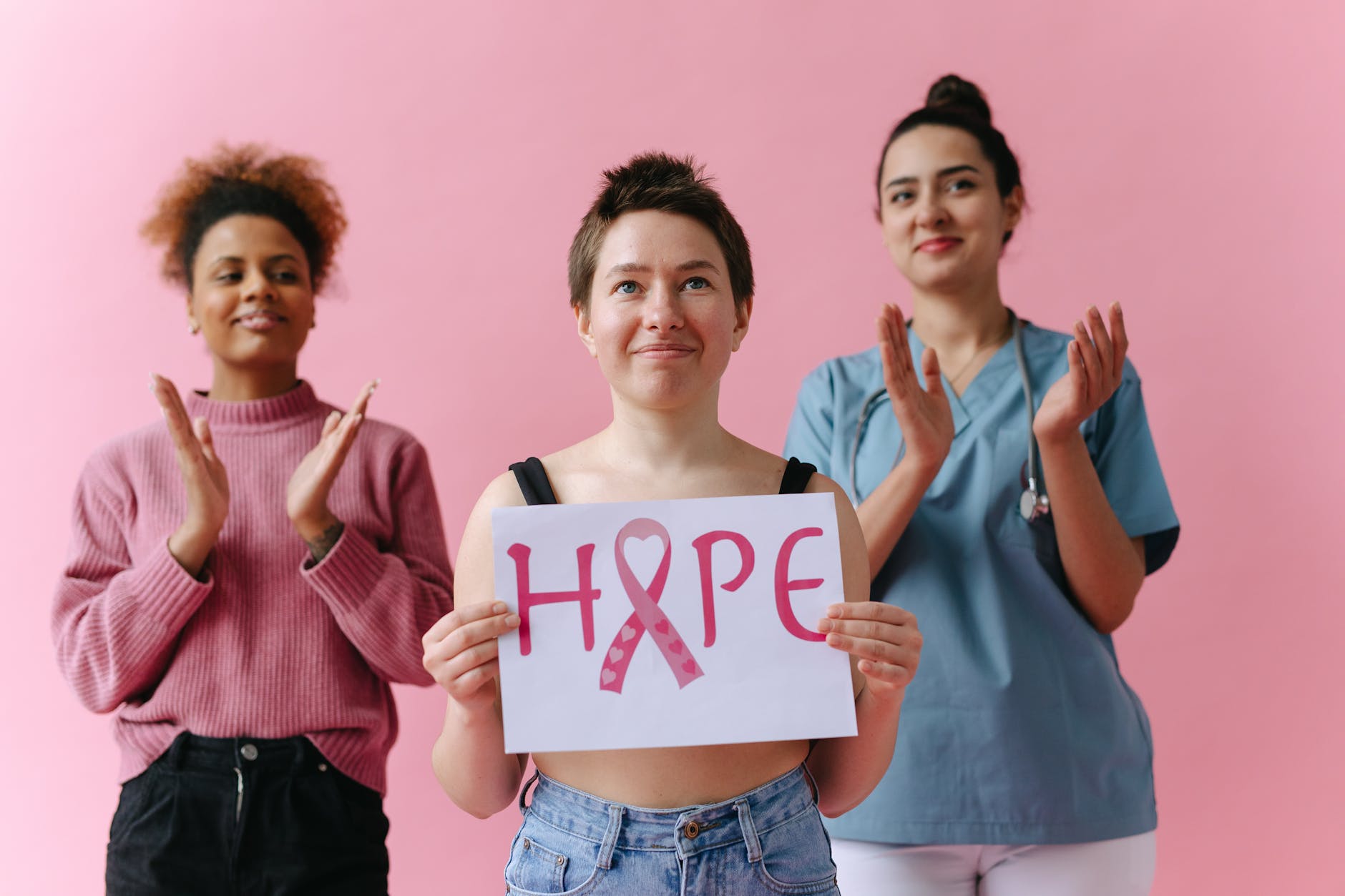
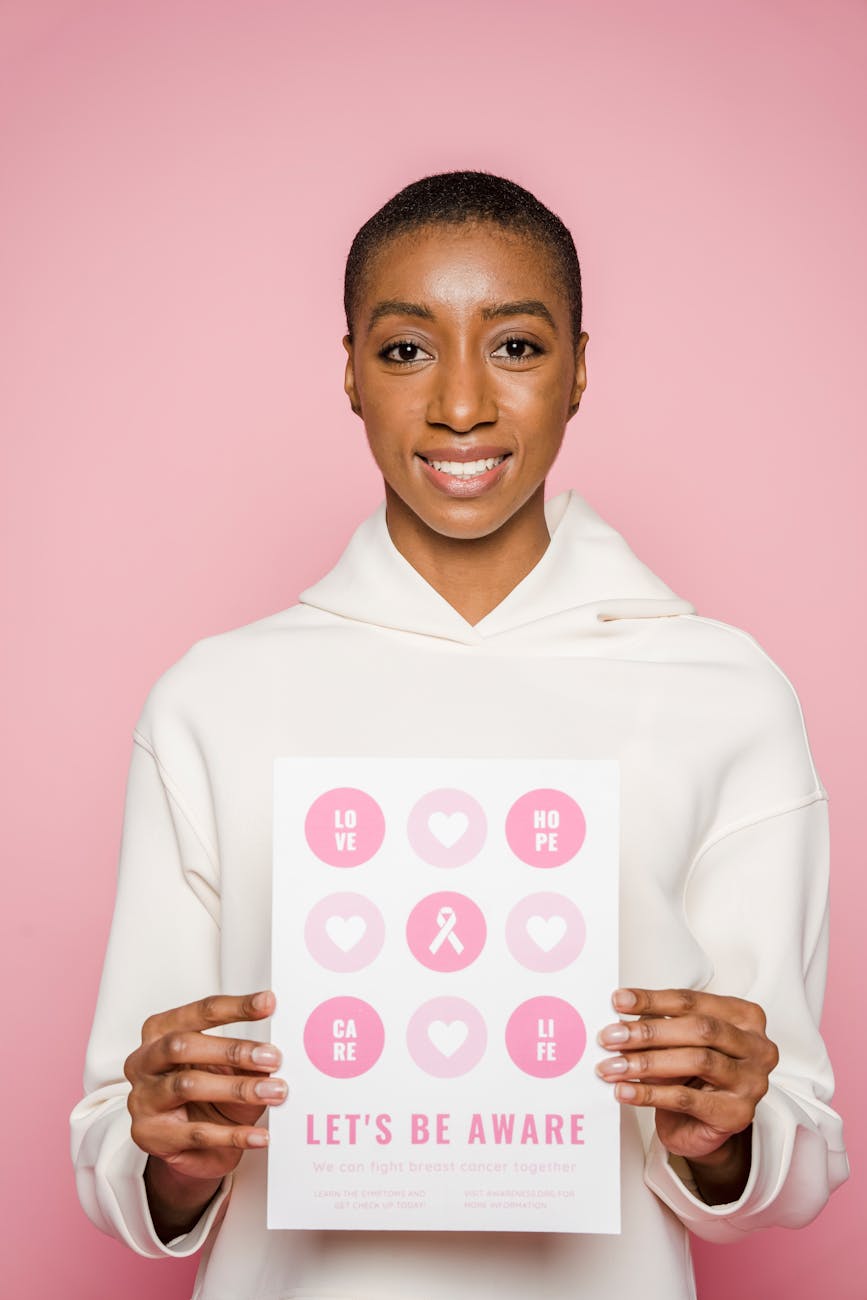
As October comes to a close, we recognize that the awareness continues. Somewhere, someone is hearing those words – you have cancer. This month is recognized globally as Breast Cancer Awareness Month, a time to raise awareness, support research, and celebrate survivors. Over the years, significant strides have been made in the fight against breast cancer, leading to improved detection, treatment, and survival rates.
Early detection remains crucial in the battle against breast cancer. Regular mammograms and clinical breast exams can help identify cancer at its earliest stages, when treatment is most effective. Women of all ages, especially those with a family history of breast cancer, should prioritize regular screenings.
While significant progress has been made, disparities in breast cancer rates and outcomes persist among different racial and ethnic groups. It’s essential to address these disparities through targeted outreach, education, and access to quality healthcare.
Breast cancer treatment can be physically and emotionally demanding for both patients and their caregivers. Support groups, counseling services, and community resources can provide invaluable assistance during this challenging time.
Continued research is vital to developing new and improved treatments for breast cancer. By supporting research initiatives, we can help bring hope to millions of people affected by this disease.
Final Word:
Get Screened: Schedule regular mammograms and clinical breast exams.
Know Your Family History: Share your family health history with your doctor.
Make Healthy Lifestyle Choices: Eating a balanced diet, exercising regularly, and avoiding tobacco use can reduce your risk.
Support Research: Donate to organizations dedicated to breast cancer research.
Raise Awareness: Spread the word about breast cancer prevention and early detection.
Let us continue to work together – we can make a difference in the lives of those affected by breast cancer and move closer to a future without this disease.
Life, it seems, is a relentless teacher. Over the years, the lessons etched into my soul have not come from textbooks, but from the raw experiences of serving within my community. My journey began with a fervent mission – to educate about the importance of early detection through cancer screenings and preventive measures. Countless workshops, community forums, and one-on-one conversations fueled my belief that knowledge was power in the fight against this relentless disease.
Yet, a stark reality emerged. Most encounters were with those already facing the storm, diagnosed with cancer, often at an advanced stage. This realization stung. The very people I aimed to empower were coming in when options dwindled. It ignited a new passion within me – to be the steadfast presence for families navigating the treacherous waters of diagnosis, treatment, and hospitalization.
My role is being the expert, the advocate, the one who deciphered medical jargon and guided through baffling bureaucratic hurdles. Yet, the weight of that role became painfully evident when my brother succumbed to cancer just four weeks and four days after his diagnosis. The feeling of failure, the helplessness, lingers to this day.
But grief, it turned out, was not the endpoint. Instead, it fueled a fierce determination in my approach to my sister, burdened by the same family history. Here, vigilance became my mantra. Early detection, constant monitoring, a proactive approach – these became the cornerstones of our fight. This journey emphasized the importance of empowering patients and families to be active participants in their own healthcare. It is not just about information; it is about ownership, about feeling heard and understood.
Despite advancements in research and treatment, the harsh truth remains – minority communities grapple with disproportionately high cancer mortality rates. This disparity is unacceptable. My voice echoes not only within the community, but also in the halls of research institutions and government offices. I am a bridge between the battlefield of disease and the architects of solutions. I advocate for affordable, accessible healthcare, for increased funding for research, and for a system that truly serves the needs of all.
The lessons continue to unfold. Serving my community isn’t just about offering knowledge or navigating the healthcare system. It’s about advocating for change, for a world where early detection truly empowers, where the advancements in research touch all lives, not just some. This is the fire that burns within me, a fire that compels me to be the voice for those who have not found theirs, a voice echoing in the halls of power and whispering alongside patients as they chart their course.
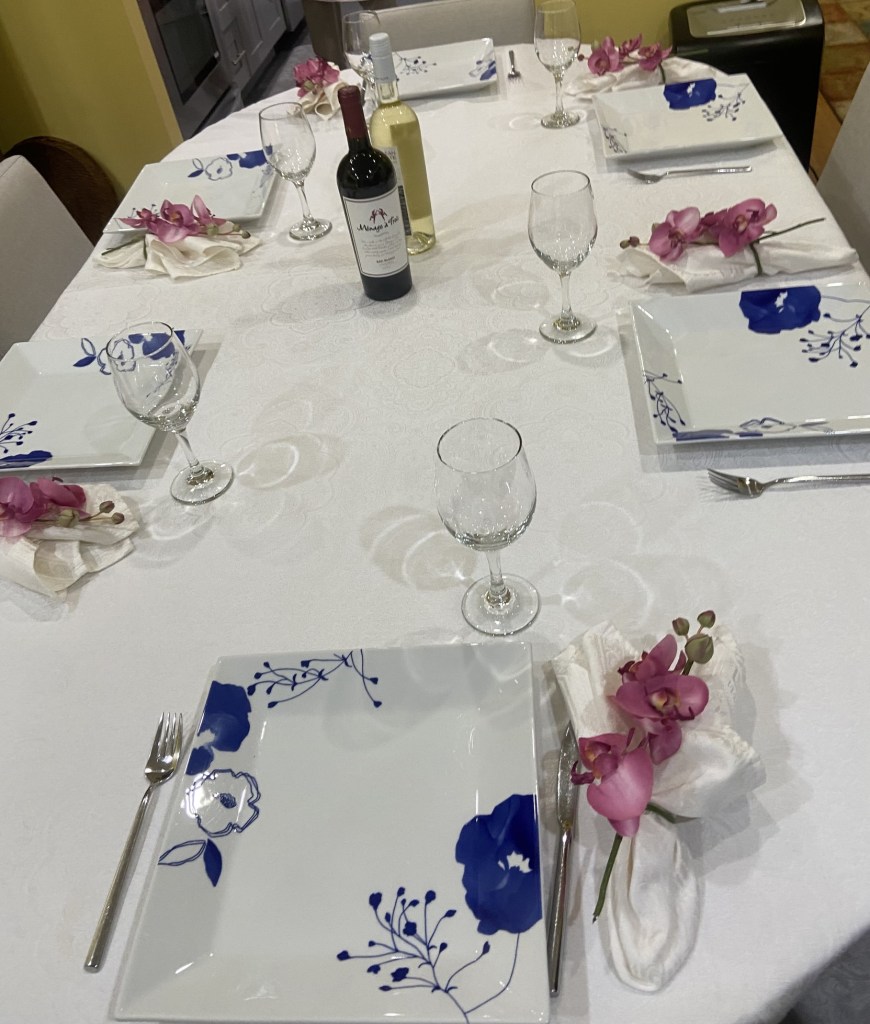
The clinking of glasses and warm laughter filled the air as we settled at the dining table, catching up with friends we hadn’t seen in years. The aroma of food swirled around us, promising a delicious culinary adventure. The conversation flowed effortlessly, weaving between lighthearted anecdotes and lively discussions about current events. It was a typical Saturday night, filled with the comforting familiarity of good company and shared laughter. Little did we know, the evening would take an unexpected turn, forever etching a poignant memory in our hearts. As the conversation drifted towards personal updates, the wife of the other invited couple, a woman radiating warmth and quiet strength, shared news that sent a ripple of shock and concern through our group. She had recently received a cancer diagnosis, a word that hung heavy in the air, triple negative breast cancer.
Triple-negative breast cancer (TNBC), a formidable foe in the battle against the disease, stands apart due to its unique characteristics and aggressive nature. Unlike other breast cancers that rely on hormones or specific proteins for growth, TNBC lacks these receptors, making it a complex opponent to diagnose, treat, and manage. This article delves into the enigmatic world of TNBC, shedding light on its challenges and offering hope for those facing it.
The Hidden Threat: Challenges in Diagnosis
Early detection is paramount in the fight against any cancer, but for TNBC, the path to diagnosis can be particularly challenging. The lack of specific receptors renders conventional hormone-based screening methods less effective. Often, TNBC presents as a more aggressive and faster-growing tumor, masking its presence until later stages. This delay in diagnosis can significantly impact treatment options and outcomes.
Symptoms: A Subtle Symphony of Change
While there is no single telltale sign, TNBC can manifest through a variety of symptoms. A lump or thickening in the breast, often firmer and more irregular than other types, is a common indicator. Other symptoms include changes in breast size or shape, dimpling or puckering of the skin, nipple retraction or inversion, and fluid discharge from the nipple. However, it is important to remember that these symptoms can also occur with other benign conditions, highlighting the crucial role of prompt medical evaluation.
Demographics: Unveiling the Disparities
TNBC disproportionately affects younger women, particularly those under 40 years old. Additionally, it occurs more frequently in Black women, Hispanic women, and women with a BRCA1 gene mutation. These disparities highlight the need for increased awareness and targeted screening programs for these vulnerable populations.
Early Detection and Mortality: A Shadowy Landscape
The aggressive nature of TNBC presents challenges in early detection, potentially impacting mortality rates. Studies suggest that while early-stage TNBC has a similar prognosis to other breast cancers, the risk of recurrence and distant metastasis is significantly higher. This underscores the importance of ongoing monitoring and early intervention even after successful treatment.
Treatment: A Tailored Approach in the Face of Adversity
Due to the lack of specific receptors, TNBC does not respond to hormone therapy or drugs targeting HER2 protein, the mainstays of treatment for other breast cancers. Chemotherapy remains the primary weapon in the fight against TNBC, often combined with surgery and radiation therapy. However, research is actively exploring new avenues, including immunotherapy and targeted therapies based on specific genetic mutations in the cancer cells.
Prognosis: Navigating Uncertainty with Hope
The prognosis for TNBC can be complex and varies depending on several factors, including stage at diagnosis, tumor characteristics, and individual response to treatment. While TNBC generally carries a higher risk of recurrence and mortality compared to other breast cancers, significant advancements in research and treatment offer renewed hope. Early detection, personalized treatment plans, and ongoing research are crucial in improving outcomes for those facing this challenging form of cancer.
Resources: A Beacon of Support
Navigating the complexities of TNBC can feel overwhelming. Fortunately, numerous resources are available to provide support and information. Some key organizations include:
By understanding the challenges and resources available, individuals facing TNBC can navigate this journey with greater knowledge, hope, and empowerment. Remember, you are not alone in this fight.
Savannah is struggling with her recent diagnosis, her doubts and the struggle with her faith. She was a church girl who attended church all of her life and has always had her faith in tact. A few weeks ago, Savannah was diagnosed with breast cancer and recently began chemotherapy. She was optimistic as she tapped into her faith believing that she was going through a phase which was just a setback in her health. Interestingly, Savannah was engaged to her longtime boyfriend Karl and was looking forward to planning their wedding. She had her bridal magazines, her pen and her daily planner, along with her iPad to work on during her chemotherapy treatments. She was all prayed up and was encouraged by the survivor stories that she had heard.
The one thing that she was not prepared for was how awful and weak she would feel after treatment. She heard from other survivors who said that they had treatment during work hours (lunch) and continued to work through their treatment. She knew that she would not be able to work, at least not now. She worried that she would not be able to make it through her treatments. Slowly, the doubts began to build up.
Savannah questioned her faith. She prayed, she had prayer warriors praying for her. She believed in the power of prayer but now she with every treatment, she felt weaker and weaker. Her hair began to fall out in clumps, the texture of her skin changed and she no longer answered her phone or respond to the text messages from her family, friends and coworkers. Although she would check in on her social media accounts, she no longer posted or engaged with others. She broke down and cried while looking at the photos of others having a great time. She became emotionally overwhelmed when she saw some photos of her friend Char’s husband celebrating her birthday. It was an extravagant affair, he surprised her and all of their family and friends were there. Savannah was invited and had planned to attend. She RSVP’d well in advance of her cancer diagnosis. Now, here she was watching life go on without her. She wondered whether she would see another birthday. Would she marry her best friend? Will they be able to have a family?
Karl was there for her reassuring Julia that they will get married. He wanted her to be his wife as she was the love of his life. He believed that she would be healed. He prayed and trusted in his prayers. He noticed that Savannah was not like herself. She was outgoing, ready to hang out with their friends and now she was often in bed, the curtains drawn, watching movies and checking on her friends by looking at their social media posts. She rarely responded to the friendly check in from her friends on her page even though she read them.
Determined to make Savannah feel better, Karl encouraged her to seek counseling. She reluctantly agreed. She began to question whether going to counseling meant that she was not trusting or believing in God. She wondered if she would be judged for her lack of faith. Savannah knew that she was not feeling like herself but wondered if she got back into her social circles, church and getting out more often – she would begin to feel better. However, Karl convinced her that counseling would be great for her. In fact, he offered to go with her and sit in with her whenever she needed him.
Although the counseling helped, the feeling of failing to have faith lingered. Savannah has completed her treatment and is waiting for the results. She hopes that it will be all clear. She is looking forward to moving forward with her life and marrying her best friend – Karl.
The Truth Be Told series will highlight the stories of those who are sharing their challenges with cancer. It is a candid look into each person’s journey – from the cancer patient, survivor, caregiver, partner or friend – it will give an insight that many are reluctant to share.
Her Truth!
I am not feeling pretty. I look in the mirror and I see a stranger. I am looking at a woman who once smiled every time she saw her reflection. Today I cried. I looked at myself and I felt pity on the shell of a woman who once was happy, living life on her terms, catching up with friends, traveling and dining, dancing and doing just about anything she wanted to but now she’s a stranger. Living in a world of fear.
Looking in the mirror I see a shell. I want to look beautiful again. I want to smile again. I am looking for ways to give me some sort of semblance to get a glimpse of who I used to be. Will it be a new lipstick? A wig? A new outfit?
I need to find something to get me through this state of unfamiliarity – a strange land. I am looking for a makeover. I need to feel like me again.
Sunsyré D
Breast Cancer
Can you relate? Cancer can take a toll on one’s physical appearance which adds to the stress of the journey for both women and men. It is important to remember – while each journey is unique, we all share a common theme – cancer changes our lives forever ~DawnKA








 SOLUTIONS Cancer Resource Center, Inc.