The diagnosis of cancer casts a long, dark shadow over one’s life. It is a time of uncertainty, fear, and profound change. While the support of loved ones can be a lifeline during this tumultuous period, the emotional toll of cancer can sometimes strain even the closest of relationships.
For me, the diagnosis was a devastating blow. As I grappled with the implications of my illness, I turned to my best friend, hoping for unwavering support. However, as the weeks turned into months, I began to notice a subtle shift in our dynamic. She was still there, offering kind words and well wishes, but I couldn’t shake the feeling that something was amiss.
Initially, I attributed her behavior to her own coping mechanisms. Cancer is a difficult topic to navigate, and perhaps she was struggling to process my diagnosis. But as time went on, the distance between us grew. Our once lively conversations became strained, and her visits became less frequent.
I found myself questioning her friendship. Had she grown tired of my constant reminders of my illness? Was she afraid of facing her own mortality through my experience? Or was she simply overwhelmed by the emotional weight of the situation?
The truth is, I don’t know the answer. And perhaps it doesn’t matter. What matters is that I am feeling a profound sense of loneliness and isolation, even amidst the outpouring of love and support from others.
It’s a painful realization that even the strongest bonds can be tested in the face of adversity. As I continue to navigate the complexities of my illness, I am learning to accept that sometimes, even the closest of friends may struggle to offer the support we need.
Perhaps it’s time to redefine what friendship means in the context of cancer. Maybe it’s not about being there every step of the way, but about being present when you’re needed most. Perhaps it’s about understanding that sometimes, silence is the greatest form of support.
As I move forward, I will continue to reach out to my friend, hoping that over time, we can find a way to reconnect and rebuild our bond. But I will also embrace the possibility that our relationship may have changed forever. And that’s okay.
In the end, the most important thing is to focus on my own well-being and to find solace in the love and support of those who truly care.
Today, as we observe World Lung Cancer Day, it is imperative to shed light on this formidable disease. Lung cancer, often insidious in its onset, remains a leading cause of cancer-related deaths globally. The disease disproportionately affects specific demographics, underscoring the importance of targeted prevention and early detection efforts.
Symptoms of lung cancer can be subtle and often mimic those of common ailments, making early detection a challenge. A persistent cough, chest pain, shortness of breath, and blood in sputum are among the most common indicators. However, it’s crucial to remember that these symptoms can also be attributed to other conditions. Therefore, regular check-ups and prompt medical attention for any persistent or unusual symptoms are vital.
Smoking remains the primary risk factor for lung cancer. Yet, it’s essential to dispel the myth that only smokers are at risk. Exposure to secondhand smoke, radon, asbestos, and certain chemicals can also increase the likelihood of developing this disease. This underscores the importance of comprehensive public health strategies to address both smoking cessation and environmental factors.
Treatment options for lung cancer have advanced significantly in recent years, including surgery, chemotherapy, radiation therapy, targeted therapy, and immunotherapy. Early detection significantly improves the chances of successful treatment. Therefore, raising awareness, promoting early screening, and encouraging healthy lifestyle choices are critical steps in combating this deadly disease.
World Lung Cancer Day serves as a poignant reminder of the importance of prioritizing lung health. By understanding the risks, recognizing the symptoms, and advocating for early detection, we can work towards a future where lung cancer is no longer a leading cause of death.
Life, it seems, is a relentless teacher. Over the years, the lessons etched into my soul have not come from textbooks, but from the raw experiences of serving within my community. My journey began with a fervent mission – to educate about the importance of early detection through cancer screenings and preventive measures. Countless workshops, community forums, and one-on-one conversations fueled my belief that knowledge was power in the fight against this relentless disease.
Yet, a stark reality emerged. Most encounters were with those already facing the storm, diagnosed with cancer, often at an advanced stage. This realization stung. The very people I aimed to empower were coming in when options dwindled. It ignited a new passion within me – to be the steadfast presence for families navigating the treacherous waters of diagnosis, treatment, and hospitalization.
My role is being the expert, the advocate, the one who deciphered medical jargon and guided through baffling bureaucratic hurdles. Yet, the weight of that role became painfully evident when my brother succumbed to cancer just four weeks and four days after his diagnosis. The feeling of failure, the helplessness, lingers to this day.
But grief, it turned out, was not the endpoint. Instead, it fueled a fierce determination in my approach to my sister, burdened by the same family history. Here, vigilance became my mantra. Early detection, constant monitoring, a proactive approach – these became the cornerstones of our fight. This journey emphasized the importance of empowering patients and families to be active participants in their own healthcare. It is not just about information; it is about ownership, about feeling heard and understood.
Despite advancements in research and treatment, the harsh truth remains – minority communities grapple with disproportionately high cancer mortality rates. This disparity is unacceptable. My voice echoes not only within the community, but also in the halls of research institutions and government offices. I am a bridge between the battlefield of disease and the architects of solutions. I advocate for affordable, accessible healthcare, for increased funding for research, and for a system that truly serves the needs of all.
The lessons continue to unfold. Serving my community isn’t just about offering knowledge or navigating the healthcare system. It’s about advocating for change, for a world where early detection truly empowers, where the advancements in research touch all lives, not just some. This is the fire that burns within me, a fire that compels me to be the voice for those who have not found theirs, a voice echoing in the halls of power and whispering alongside patients as they chart their course.
Today, I would like to share about a topic that may not be the most comfortable, but it’s undeniably important: Colorectal cancer, also known as colon cancer.
Cancer, in any form, is a daunting word. But unlike many cancers, colorectal cancer is highly treatable – especially when caught early. Early detection is truly our weapon of choice in this battle.
Let us begin with understanding or at least explaining what colon cancer is. It starts with polyps, small growths that form on the inner lining of the colon or rectum. While most polyps are benign, some can develop into cancer over time. That’s why screening is crucial.
You may be wondering, what does the screening process looks like? There are several effective options, including colonoscopies, stool tests, and sigmoidoscopies. Each method has its advantages and disadvantages, so it’s important to talk to your doctor about the best option for you.
The American Cancer Society recommends starting regular screenings at age 45 for people at average risk. However, certain factors like family history or inflammatory bowel disease may necessitate earlier screenings.
Photo by Tara Winstead
While it doesn’t discriminate, African Americans are more likely to be diagnosed at a younger age and have higher mortality rates. Additionally, people with a family history of the disease are at an increased risk.
Colorectal cancer is the second leading cause of cancer deaths in the United States. However, there’s a silver lining. When detected early, the five-year survival rate for colorectal cancer is over 90%. Early detection truly makes a world of difference.
Imagine a loved one – a parent, a sibling, a friend. Early detection could be the difference between saying goodbye and celebrating many more years together.
The Point Is….
Know your risk factors. Talk to your doctor about your family history and any personal health concerns.
Don’t ignore symptoms. While some people may not have any symptoms initially, persistent changes in bowel habits, unexplained weight loss, or rectal bleeding can be red flags.
Schedule your screening. Don’t let fear or embarrassment stand in the way. This simple step could save your life.
Spread the word. Talk to your family and friends about the importance of colorectal cancer awareness and early detection.
We all have a role to play in being vigilant as it relates to our health and well-being. By taking action, by getting screened, we can turn the tide on colorectal cancer. Let’s make every step count – together.
November is Pancreatic Cancer Awareness Month, and out comes the bullhorn as I take this opportunity to be a part of the campaign. True to form, like a broken record, I share my very personal experience with the disease. It was summer, August of 2018, three days after his birthday, my brother was diagnosed with pancreatic cancer. Four weeks and four days later, he was gone.
So, what is pancreatic cancer? Pancreatic cancer is a cancer that starts in the pancreas, a gland that produces digestive enzymes and hormones. It is one of the most aggressive and deadly cancers, with a five-year survival rate of just 10%. However, early detection can improve survival rates significantly.
Early Detection
There is no specific screening test for pancreatic cancer, but there are some things that people can do to increase their chances of early detection, such as:
Knowing their risk factors for pancreatic cancer, which include smoking, obesity, and diabetes.
Being aware of the symptoms of pancreatic cancer, such as jaundice (yellowing of the skin and eyes), abdominal pain, unexplained weight loss, and back pain.
Seeing a doctor regularly for checkups.
Symptoms
The symptoms of pancreatic cancer can be vague and often mimic other conditions, such as gastritis or pancreatitis. This can make it difficult to diagnose early on. However, some of the most common symptoms of pancreatic cancer include:
Jaundice
Abdominal pain
Unexplained weight loss
Back pain
Nausea and vomiting
Difficulty swallowing
Fatigue
Dark urine
Light-colored stools
If you experience any of these symptoms, it is important to see a doctor right away.
Diagnosis
If a doctor suspects that you may have pancreatic cancer, they will likely order a number of tests, including blood tests, imaging tests, and a biopsy.
Blood tests can check for elevated levels of certain tumor markers, which can be a sign of pancreatic cancer.
Imaging tests, such as CT scans and MRIs, can create pictures of the pancreas and surrounding organs. This can help doctors to locate any tumors and assess their size and location.
A biopsy is a procedure in which a small sample of tissue is removed from the pancreas and examined under a microscope for cancer cells.
Treatment Options
The treatment options for pancreatic cancer depend on the stage of the cancer, the patient’s overall health, and their personal preferences. Some of the most common treatment options include:
Surgery is the only curative treatment for pancreatic cancer. However, not all tumors are resectable (meaning that they can be safely removed).
Chemotherapy uses drugs to kill cancer cells. It can be used before or after surgery, or as a standalone treatment for patients who are not eligible for surgery.
Radiation therapy uses high-energy beams to kill cancer cells. It can be used before or after surgery, or as a standalone treatment for patients who are not eligible for surgery.
Progress in Research
There has been significant progress in pancreatic cancer research in recent years. For example, scientists have identified new genetic markers that can help to diagnose pancreatic cancer earlier. They have also developed new drugs and treatment strategies that are showing promise in clinical trials.
Targeted therapy drugs target specific molecules that are involved in the growth and survival of cancer cells. This type of therapy is often more effective and has fewer side effects than traditional chemotherapy drugs. Furthermore, immunotherapy drugs help the body’s own immune system fight cancer cells. Immunotherapy is a relatively new type of treatment for pancreatic cancer, but it has shown promising results in clinical trials.
Resources for Patients and Families
There are a number of resources available to support patients with pancreatic cancer and their families. Some of these resources include:
Pancreatic Cancer Action Network (PanCAN): PanCAN is a national organization that provides support and information to patients with pancreatic cancer and their families. PanCAN also advocates for increased research funding and awareness of pancreatic cancer https://pancan.org/
American Cancer Society: The American Cancer Society provides a variety of resources to patients with cancer and their families, including information about cancer, treatment options, and support services https://www.cancer.org/
National Institute of Cancer (NCI): The NCI is a division of the National Institutes of Health that provides information and resources about cancer research and prevention https://www.cancer.gov/
Pancreatic cancer is a challenging disease, but there is hope. With early detection and treatment, more and more people are surviving pancreatic cancer. Cheers to the survivors. Prayers of hope for those who are diagnosed and are currently in treatment. Prayers of comfort for the families who have lost a loved one.
The Right to Die is a controversial topic that has been debated for many years. There are many different opinions on this issue, and it is important to consider all of the challenges, controversies, and benefits before making a decision. It may be referred as death with dignity, or assisted suicide.
One of the main challenges of the Right to Die is that it can be difficult to determine when a person is truly ready to die. Some people may feel like they are ready to die when they are in pain or when they are no longer able to live independently. However, others may feel like they are ready to die when they are simply tired of living. It is important to make sure that a person is truly ready to die before they make a decision to end their life and thankfully, there are systems in place to ensure that the individual patient is well informed and has received the proper counseling.
Another challenge of the Right to Die is that it can be difficult to ensure that a person’s wishes are carried out. If a person decides to end their life, they may want to make sure that their family and friends are aware of their decision. They may also want to make sure that their doctors are aware of their decision so that they can provide them with the necessary assistance. However, it is not always possible to ensure that a person’s wishes are carried out.
The Right to Die is also controversial because it can be seen as a form of suicide. Suicide is a serious issue, and it is important to make sure that people who are considering suicide are getting the help they need. However, it is important to remember that the Right to Die is not the same as suicide. The Right to Die is a decision that a person makes about their own life, and it is not something that is forced upon them. The individual is weighing what they consider is best for them in their own journey through life – all the way to the end.
As of March 8, 2023, physician-assisted suicide is legal in 11 US states and the District of Columbia. These states are:
California
Colorado
District of Columbia
Hawaii
Maine
Montana
New Jersey
New Mexico
Oregon
Vermont
Washington
In addition to these states, physician-assisted suicide is also legal in the Netherlands, Belgium, Luxembourg, Switzerland, Canada, and several countries in South America and Europe.
The laws governing physician-assisted suicide vary from state to state and may be monitored by a nurse as the patient takes the medication on their own. In general, however, patients must be mentally competent, terminally ill, and have a prognosis of six months or less to live. They must also request physician-assisted suicide on two separate occasions, at least 15 days apart.
Physician-assisted suicide is a controversial issue, and there are strong arguments both for and against it. Those who support physician-assisted suicide argue that it gives terminally ill patients the right to control their own death and to die with dignity. They also argue that it can help to alleviate suffering and that it can be a more humane alternative to prolonged illness and death.
Those who oppose physician-assisted suicide argue that it is morally wrong to help someone to kill themselves. They also argue that it can lead to abuse, and that it can send the message that life is not worth living if it is not free of pain and suffering.
The right to die is a complex issue with many challenges, controversies, and benefits. Some of the challenges include:
Defining what constitutes “dying.” What does it mean to be “dying”? Some people believe that only people who are terminally ill should have the right to die, while others believe that anyone who is suffering should have the right to end their life.
Determining who should be able to make the decision to die. Should the decision to die be made by the individual, by their family, or by a doctor?
Ensuring that people who choose to die are not pressured into doing so. There is a risk that people who are terminally ill or who are suffering from mental illness may feel pressured into ending their lives, even if they do not truly want to die.
Providing support for people who choose to die and their loved ones. People who choose to die and their loved ones may need support in dealing with the emotional and practical challenges of dying.
Some of the controversies surrounding the right to die include:
The role of religion. Some religions believe that suicide is a sin and that people who die by suicide will not go to heaven. Others believe that God gives people the right to choose to die and that God will not judge them for doing so.
The role of the government. Some people believe that the government should not interfere with people’s right to die, while others believe that the government should regulate the practice of assisted suicide.
The role of doctors. Some doctors believe that they should not be involved in helping people to die, while others believe that they have a duty to help patients who are suffering.
Some of the benefits of the right to die include:
Giving people control over their own deaths. People who choose to die can do so in a way that is meaningful to them. They can also avoid the pain and suffering that comes with a terminal illness.
Relieving the burden on loved ones. People who choose to die can relieve the burden on their loved ones of caring for them. This can be especially helpful for families who are struggling financially or emotionally.
Providing peace of mind. People who choose to die can provide peace of mind for themselves and for their loved ones. They can know that they are in control of their own deaths and that they will not have to suffer needlessly.
People who are terminally ill or who are suffering from a debilitating condition may want to end their lives so that they can die on their own terms and alleviate the long suffering as their family and friends gather around for visits. The patient is already overwhelmed with the process of dying and struggling with the idea of being a burden. The Right to Die can also give people the peace of mind knowing that they have the option to end their lives if they choose.
Above all, have compassion for those who are making those difficult decisions. Be grateful and hopeful that you nor your loved ones would ever have to consider such a life altering option.
Every day, dare I add, every second of every day, someone somewhere will hear the words – you have cancer. Therefore, bringing awareness is important. Early detection may save your life and although there are campaigns to bring awareness, along with months to highlight a specific cancer – the fact remains cancer can happen at any time and it changes our lives forever.
Let’s take a gander:
January: Cervical Cancer Awareness Month
Recommended screenings: Pap test and human papillomavirus (HPV) test
February: National Cancer Prevention Month; Gallbladder and Bile Duct Cancer Awareness Month
Recommended screenings: Colorectal cancer screening (every 10 years starting at age 45), breast cancer screening (mammogram every 2 years starting at age 50), and cervical cancer screening (Pap test and HPV test every 3 years starting at age 21)
March: Colorectal Cancer Awareness Month; Kidney Cancer Awareness Month; Multiple Myeloma Awareness Month
Recommended screenings: Colorectal cancer screening (every 10 years starting at age 45), kidney cancer screening (blood test every year starting at age 45), and multiple myeloma screening (blood test every year starting at age 55)
April: Esophageal Cancer Awareness Month; Head and Neck Cancer Awareness Month; Testicular Cancer Awareness Month
Recommended screenings: Esophageal cancer screening (barium swallow every 5 years starting at age 50), head and neck cancer screening (oral cancer screening every 3 years starting at age 45), and testicular cancer screening (self-exam every month starting at age 15)
May: Melanoma Awareness Month; Brain Tumor Awareness Month; Leukemia & Lymphoma Society Light the Night Walk
Recommended screenings: Melanoma screening (skin self-exam every month and full-body skin exam by a doctor every year starting at age 20), brain tumor screening (MRI scan every year starting at age 50), and leukemia and lymphoma screening (blood test every year starting at age 45)
June: Prostate Cancer Awareness Month; National Cancer Survivors Day
Recommended screenings: Prostate cancer screening (PSA test every year starting at age 50)
July: Sarcoma Awareness Month
Recommended screenings: Sarcoma screening (there is no routine screening for sarcoma)
August: Childhood Cancer Awareness Month
Recommended screenings: Childhood cancer screening (there is no routine screening for childhood cancer)
September: Ovarian Cancer Awareness Month; Childhood Cancer Awareness Month
Recommended screenings: Ovarian cancer screening (blood test every year starting at age 50)
October: Breast Cancer Awareness Month; Domestic Violence Awareness Month
Recommended screenings: Breast cancer screening (mammogram every 2 years starting at age 50)
November: Lung Cancer Awareness Month; Pancreatic Cancer Awareness Month
Recommended screenings: Lung cancer screening (low-dose CT scan every year starting at age 55)
December: Leukemia & Lymphoma Society Light the Night Walk
Recommended screenings: Leukemia and lymphoma screening (blood test every year starting at age 45)
It is important to note that these are just recommended screenings. The best way to determine which screenings are right for you is to talk to your doctor.
Once diagnosed with cancer, the questions can be lost in the mix of uncertainty. Some people are concerned with their life span, wondering how much longer before it all ends. Some are wondering how will they make it through the treatments? How will it affect the family? Job? Social life? Post cancer treatments and survival?
The next thing that most patients want to do is to begin their therapy/ treatment. Naturally, the doctor creates a plan that is considered to be best for the patient. The patient complies as they may feel that this is the way to go – leaving it to the experts. However, there are some patients who ask “What else is there for me to try?” If this treatment plan does not work, what else can I do?
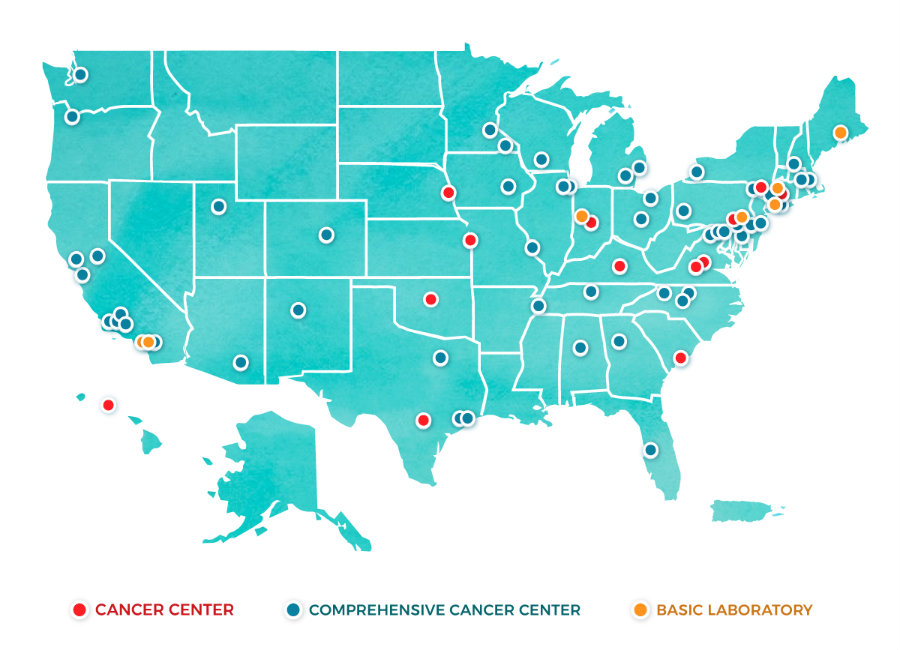
You may want to consider a clinical trial. The National Cancer Institute has a Cancer Therapy Evaluation Program where the National Clinical Trials Network Lists the clinical trials that are actively in progress. You can find the list of specific cancers, hopefully, your cancer is listed there. You can also find NCI Supported Clinical Trials by typing in your cancer, age and zipcode to get the best match for you. In addition, you should discuss with your doctor or contact the National Cancer Institute to learn more on their designated centers and sites.
A few days ago, while I was speaking at a conference, I told the attendees that it was time to talk dirty. Cancer disparities remains high, especially within the minority and underserved populations – we have no time to waste. My topic is urgent and I am on a mission to bring cancer awareness to as many people as possible. Therefore, I shared my own journey.
Although I was not 50 years old, I knew that I had to be cautious and diligent as my father had colon cancer. Colon cancer is cancer that is found in the large intestine which is in the lower section of the digestive system. When you hear the term colorectal cancer, it refers to the last few inches of the colon known as the rectal area. Colon cancer on it’s own is mainly found in the upper area of the large intestine.
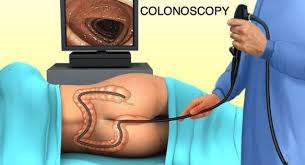
I was prompted to have a colonoscopy after moving my bowels and seeing some blood in the toilet. It was a shocking and scary moment. I had never seen anything like that in my entire bowel life. Needless to say, I had to make some calls. Thank God for cell phones, I took pictures and shared them with my Internist and of course my King (husband/best friend/partner in life). The concern here was that by the time one experiences symptoms of colon cancer, it may present a huge problem.
In preparing for the procedure, I took my prescription of Golytely to the pharmacy. In addition, I purchased a 10 oz. bottle of Magnesium Citrate (Lemon Flavor) and a box of Dulcolax. The instructions to prepare for the procedure begins as early as seven days in advance. It is generally advised that one should stop taking any arthritic pain medications, Advil, Motrin and Coumadin, Plavix and other blood thinners – all of which would be discussed with your personal doctor to see if it applies to in your case when preparing for the colonoscopy. There are foods that you should avoid five days prior to the procedure – celery, corn, peas and tomatoes. The day before, you should not eat milk, ice cream, nuts, seeds or raw vegetables.
The Day Before
I enjoyed a light breakfast and a light lunch. I filled the powder mix of the Golytely bottle with water to the 4 liter mark and shook it like a martini mix. At 4:00PM, I took 4 Dulcolax tablets with water and then at 6:00PM it was time to drink up. This was the point of no return, you could only drink clear liquids and nothing at all after midnight except for the Golytely mix as directed. The rest of the evening was not for the faint at heart, it was a thorough cleansing of the digestive system.
The Day is Here
Up early, raring and ready to get it done. I arrived ahead of time and before you know it, I was in and out. My King and I went out for lunch and then home. At times all was normal, we laughed and talked but my mind would wander off into the questions of the results. After a colonoscopy, it is advised that one should take it easy in resuming their meals.
The Results
Off to the doctors two days later for my physical. I was anxious to hear the results of my colonoscopy. Needless to say, I was bracing myself – whatever the results, I will accept it and then I will move accordingly. Here it goes: “The good news is that you were a great read (referring to the colonoscopy), we were able to see everything clearly which is very important. At this statement, I felt myself shifting in the chair, crossing my legs and holding on firmly to the arms of the chair and for some reason, a smile was on my face. I knew there was more to come, seeing that the good news had already been shared. He continued: “We found a polyp, we took it out and sent it to the lab for testing. The results shows that it tested positive for cancer, it was very small and we caught it early.” As it would just happen, I remained calm, my smile still placed on my face as though I felt that all was well. I was alone hearing that I had tested positive for cancer. The smile was my way of soothing myself. My King, my children were all at work. After a thorough review of my results and my health regimen, the physical began. I could not wait to call my King. Should I wait until he gets home? I just couldn’t keep it to myself, I called. I shared the news as calmly and as positive as possible. After all, it was caught early. The King was just as calm and encouraging as expected. Shortly after our conversation, I received an email, it was my King expressing how the news of my results was like a punch. I knew that my children would not be able to handle the news very well but it was important for them to know – family health history is extremely important. This was a NEED to KNOW. My children cried, it’s just unnerving hearing the results. They understood and were relieved to know that it was caught early and now they too have to be on the alert for their own health. Next up calling my siblings.
Background
In many cases there are small polyps that are often benign/noncancerous. In some cases, the polyps develop into colon cancer. There may be few or no symptoms. Fortunately for me, the source of the bleeding was from an internal hemorrhoid. If I could give it a hug and a kiss I would, that hemorrhoid was responsible for the early catch of my cancer. On the other hand, I am still processing the fact that it was positively identified as cancer. Now when I speak on the importance of early detection, I speak from experience.
If you notice any of the following, you may need to call your doctor: *When you notice a change in your bowel habits such as an incomplete bowel movement, constipation, diarrhea or a change in the consistency of your stool *Rectal bleeding or blood in your stool *Persistent abdominal discomfort, such as cramps, gas or pain *Tired or weak *Weight loss without trying
















 SOLUTIONS Cancer Resource Center, Inc.