National Colorectal Cancer Awareness Month

Cancer that begins in the colon is called colon cancer. If the cancer is found in the rectum, it is called rectal cancer. However, cancer that is found in either of these areas are also called colorectal cancer. Colorectal cancer occurs when there are tiny growths/polyps of abnormal cells that lines the wall of the colon or rectum. The colon and rectum are both found in the large intestine. The symptoms may include bloody stool, abdominal pain, bleeding of the rectum or feeling tired due to anemia. Sadly in most cases, there are no symptoms.

Here’s the deal – colorectal cancer advances with age. In fact, colorectal cancer is the second leading cause of cancer related deaths within the United States. However, with screening and early detection – lives are saved. The recommended age for screening begins at 45 but if you have a family history with colorectal cancer you may want to discuss with your physician. Additionally, younger people are now being diagnosed with colorectal cancer, do not assume that you are too young, discuss all changes and symptoms with your doctor.

There are several forms of screening. You really need to engage in a discussion with your physician. Find out which test will work best for you. Many have heard of the ever intrusive and some call it the dreadful colonoscopy. Dare I say, it may be considered dreadful only because it is inserted in the anal cavity and there is a bit of pre-colonoscopy preparations that must be completed. However, it accomplishes a great deal in detecting any abnormalities within the colon/rectal area and you wont have to take the test for another 10 years.

Another option would be the flexible sigmoidoscopy which a thin flexible tube known as a sigmoidoscope that is inserted into the rectum. The sigmoidoscope has a small video camera at the tip of the tube and it records the sights of the colon up to 2 feet of the large intestine. A plus for this procedure would be the ability to take tissue samples for further tests through this method and it is recommended for screening every 5 years. On the other hand, the sigmoidoscopy cannot pick up areas further along in the colon.

The fecal occult blood test is non invasive and is given annually. There is no intrusive procedures all you have to do is to smear your stool on to the cloth, pad or card which is chemically treated. The goal is to look at the results for a change in the color. If it turns blue that indicates that there is blood in the stool. Now blood in the stool can be an alarm for concern. However, it may not be cancer related therefore further tests may be ordered.

A CT scan X-rays the internal organs to make detailed pictures; a dye may be used to highlight the areas of concern. The good old reliable enema is also an option – the double contrast barium enema uses air to expand the colon which aids for better images along with the barium.

Colon cancer is one that may be prevented with a healthy well balanced diet which includes foods rich in high fiber, vegetables, fruits and nuts. Exercise is key to maintaining a healthy weight. Avoid processed meats, red meats, drinking alcohol and smoking cigarettes. Nothing is ever certain but the old saying ‘an ounce of prevention is worth more than a pound of cure’ really fits well right here. March is the colorectal cancer awareness month perhaps it is time to march on over to your doctors office and discuss your options.
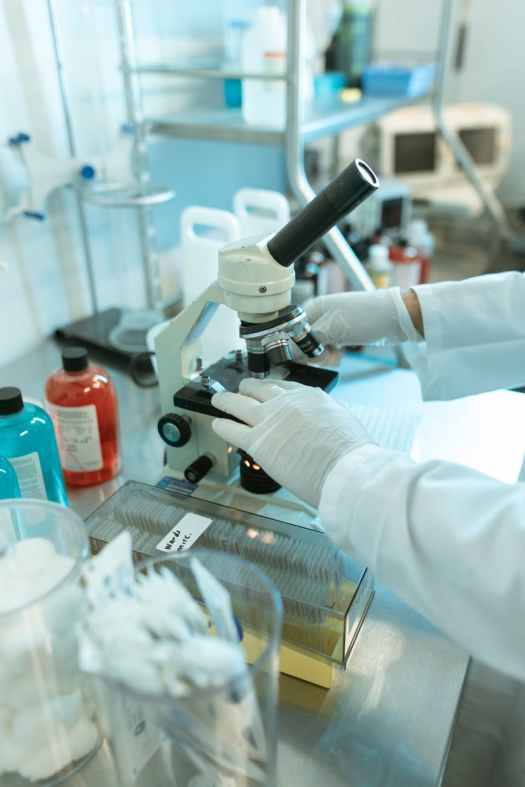

Precision Medicine and Oncology

It was 21 years ago when TIME magazine’s cover featured the promising and hope filled drug Gleevec – the revolutionary pill that will target only the diseased cells – May 28, 2001. The presentation by Dr. George Demetri posed the question, How can we best translate science into reliable effective therapy for people with cancer? The idea that cancer was once a monolithic “black box” which was able to define each type by its site of origin. Cancer found in the breast was known as breast cancer, found in the lung – lung cancer, prostate cancer, colon cancer, and others were all treated with the one size fits all approach.

Moving forward, a breakthrough in identifying lung cancer for the various sub-types of cancers helped to bring forth new methods of treatments. Specific targeted therapies were developed and the evolution of cancer treatments were well on its way to making strides for the patient community.

Precision medicine is focused on what is driving the cancer. With the ability to conduct clinical research, Larotrectinib and Entrectinib, two different drugs made by two different companies, both used to treat advanced or metastatic solid tumor cancers with neurotrophic tyrosine receptor kinase (NTRK) gene fusions – providing a successful outcome for the patients as the shrinking tumors helped to prolong lives.

Needless to say, with all the progress made, the challenges remain. While precision medicine is highly effective for patients, it has only benefited 20-30% of cancers. The majority of cancers do not have a single “driver”. Like viruses and other pathogens, cancer cells continue to evolve into resistant forms. The molecular diagnostics are costly, and the possibility of being misdiagnosed is still a factor. There is a need for safer drug combinations to cure more cancers.

Overall, the excitement remains high as we look to the advancements in treatment therapies being able to identify the best plan for each individual who presents with cancer. Precision medicine has created a much needed shift in making an effective and efficient mark to prolonging lives and improving or maintaining the quality of life. The patients, the advocates and caregivers are eagerly awaiting for the next breakthrough.

Presentation on Precision Medicine and Oncology by Dr. George Demetri, Boston Dana-Farber Cancer Institute, at the AACR Annual Meeting 2022, Scientist↔Survivor Program.

The Day That Changed My Life – Cancer & Marriage

Photo by Juan Pablo Arenas

Pamela and Mark’s journey

We have been married for eight years with three kids. This was my first marriage and Marks second marriage. Mark was diagnosed with prostate cancer. It was a hell of a time.  Mark was scared but instead of talking about it he withdrew. There was often tension in the house. I took Mark to all of his appointments, he hardly spoke a word. I made sure that he had everything he wanted and still he never even said thanks. Mark became very cranky; the gentle soft spoken man that I had fallen in love with had become impatient especially with the kids.  It felt as though he resented us being there and I knew I had to do something about it. It was not easy, as a matter of fact; I almost did not go through with it. One night when Mark was in his office, I went in and told him that we needed to talk. I told him that he needed to change his attitude especially with the kids. Mark just stared at me and then I had to take it a bit further. I told him that I did not know him anymore; he was not the same thoughtful, kind loving or gentle man. All we wanted to do was be there for him, we all loved him and were happy to be there and do whatever we could for him. I told him that he had become cranky and that he was pushing us away and if he did not change we will go away.  

That night as we were in bed, Mark finally spoke. He told me that he was afraid. He was afraid of losing me, not being able to be there for me or the kids, he was afraid of dying.

Sometimes it’s difficult to express or share how one is feeling. Couples have shared how tough it can be trying to be a part of the process knowing that he or she can never truly feel what their loved one is going through. In some cases, the spouse, lover or partner finds the diagnosis to be too much to handle and they leave. However, there are those who really want to be there through it all. Communication is very important. Find a counselor or a support group.

(An excerpt from the upcoming book The Day That Changed My Life – cancer an uncertain journey)

Truth Be Told

The Truth Be Told series will highlight the stories of those who are sharing their challenges with cancer. It is a candid look into each person’s journey – from the cancer patient, survivor, caregiver, partner or friend – it will give an insight that many are reluctant to share.

Her Truth!

I am not feeling pretty. I look in the mirror and I see a stranger. I am looking at a woman who once smiled every time she saw her reflection. Today I cried. I looked at myself and I felt pity on the shell of a woman who once was happy, living life on her terms, catching up with friends, traveling and dining, dancing and doing just about anything she wanted to but now she’s a stranger. Living in a world of fear. 

Looking in the mirror I see a shell. I want to look beautiful again. I want to smile again. I am looking for ways to give me some sort of semblance to get a glimpse of who I used to be. Will it be a new lipstick? A wig? A new outfit? 

I need to find something to get me through this state of unfamiliarity – a strange land. I am looking for a makeover. I need to feel like me again.

Sunsyré D

Breast Cancer 

Can you relate? Cancer can take a toll on one’s physical appearance which adds to the stress of the journey for both women and men. It is important to remember – while each journey is unique, we all share a common theme – cancer changes our lives forever ~DawnKA

Conversations and Coffee

“Sometimes all we need to do is just talk about it; there’s comfort in knowing that you are not alone.”

This Fall we will be kicking off a series of Conversations and Coffee. These sessions will be an hour of sitting with cancer patients, cancer survivors, caregivers and other supporters. We will explore the concerns and catch up on the latest medical breakthroughs, clinical trials, resources and more.

We have heard from many members of the cancer community who have expressed their interest in joining us on our sessions. It is so important to find a supportive environment. We can take a moment to listen, share and sip together. It is an hour of release.

We’re looking forward to our sessions, we are inviting everyone to come and sip with us and you can even bring your own coffee mug.

For more information on our next session, contact Conversations and Coffee

Let’s Talk Dirty…

A few days ago, while I was speaking at a conference, I told the attendees that it was time to talk dirty. Cancer disparities remains high, especially within the minority and underserved populations – we have no time to waste. My topic is urgent and I am on a mission to bring cancer awareness to as many people as possible. Therefore, I shared my own journey.

Although I was not 50 years old, I knew that I had to be cautious and diligent as my father had colon cancer. Colon cancer is cancer that is found in the large intestine which is in the lower section of the digestive system. When you hear the term colorectal cancer, it refers to the last few inches of the colon known as the rectal area. Colon cancer on it’s own is mainly found in the upper area of the large intestine. 

I was prompted to have a colonoscopy after moving my bowels and seeing some blood in the toilet. It was a shocking and scary moment. I had never seen anything like that in my entire bowel life. Needless to say, I had to make some calls. Thank God for cell phones, I took pictures and shared them with my Internist and of course my King (husband/best friend/partner in life). The concern here was that by the time one experiences symptoms of colon cancer, it may present a huge problem. 

In preparing for the procedure, I took my prescription of Golytely to the pharmacy. In addition, I purchased a 10 oz. bottle of Magnesium Citrate (Lemon Flavor) and a box of Dulcolax. The instructions to prepare for the procedure begins as early as seven days in advance. It is generally advised that one should stop taking any arthritic pain medications, Advil, Motrin and Coumadin, Plavix and other blood thinners – all of which would be discussed with your personal doctor to see if it applies to in your case when preparing for the colonoscopy. There are foods that you should avoid five days prior to the procedure – celery, corn, peas and tomatoes. The day before, you should not eat milk, ice cream, nuts, seeds or raw vegetables.

The Day Before

I enjoyed a light breakfast and a light lunch. I filled the powder mix of the Golytely bottle with water to the 4 liter mark and shook it like a martini mix. At 4:00PM, I took 4 Dulcolax tablets with water and then at 6:00PM it was time to drink up. This was the point of no return, you could only drink clear liquids and nothing at all after midnight except for the Golytely mix as directed. The rest of the evening was not for the faint at heart, it was a thorough cleansing of the digestive system. 


The Day is Here

Up early, raring and ready to get it done. I arrived ahead of time and before you know it, I was in and out. My King and I went out for lunch and then home. At times all was normal, we laughed and talked but my mind would wander off into the questions of the results. After a colonoscopy, it is advised that one should take it easy in resuming their meals. 

The Results

Off to the doctors two days later for my physical. I was anxious to hear the results of my colonoscopy. Needless to say, I was bracing myself – whatever the results, I will accept it and then I will move accordingly. Here it goes: “The good news is that you were a great read (referring to the colonoscopy), we were able to see everything clearly which is very important. At this statement, I felt myself shifting in the chair, crossing my legs and holding on firmly to the arms of the chair and for some reason, a smile was on my face. I knew there was more to come, seeing that the good news had already been shared. He continued: “We found a polyp, we took it out and sent it to the lab for testing. The results shows that it tested positive for cancer, it was very small and we caught it early.” As it would just happen, I remained calm, my smile still placed on my face as though I felt that all was well. I was alone hearing that I had tested positive for cancer. The smile was my way of soothing myself. My King, my children were all at work. After a thorough review of my results and my health regimen, the physical began. I could not wait to call my King. Should I wait until he gets home? I just couldn’t keep it to myself, I called. I shared the news as calmly and as positive as possible. After all, it was caught early. The King was just as calm and encouraging as expected. Shortly after our conversation, I received an email, it was my King expressing how the news of my results was like a punch. I knew that my children would not be able to handle the news very well but it was important for them to know – family health history is extremely important. This was a NEED to KNOW. My children cried, it’s just unnerving hearing the results. They understood and were relieved to know that it was caught early and now they too have to be on the alert for their own health. Next up calling my siblings.

Background

In many cases there are small polyps that are often benign/noncancerous. In some cases, the polyps develop into colon cancer. There may be few or no symptoms. Fortunately for me, the source of the bleeding was from an internal hemorrhoid. If I could give it a hug and a kiss I would, that hemorrhoid was responsible for the early catch of my cancer. On the other hand, I am still processing the fact that it was positively identified as cancer. Now when I speak on the importance of early detection, I speak from experience.

If you notice any of the following, you may need to call your doctor:
*When you notice a change in your bowel habits such as an incomplete bowel movement, constipation, diarrhea or a change in the consistency of your stool
*Rectal bleeding or blood in your stool
*Persistent abdominal discomfort, such as cramps, gas or pain
*Tired or weak
*Weight loss without trying


The Day That Changed My Life – Documentary Tour

After losing my brother to cancer 4 weeks and 4 days from his diagnosis date, I am on a mission to get cancer awareness out to the communities with a special emphasis on the underserved population. The goal is to have cancer screenings of the documentary as well as a book tour to discuss the importance of prevention, early detection, paying attention to the signals and symptoms that our bodies often sends us, knowing our health history and more.

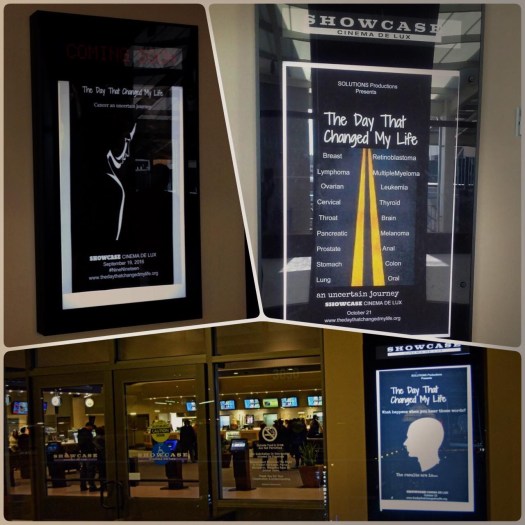
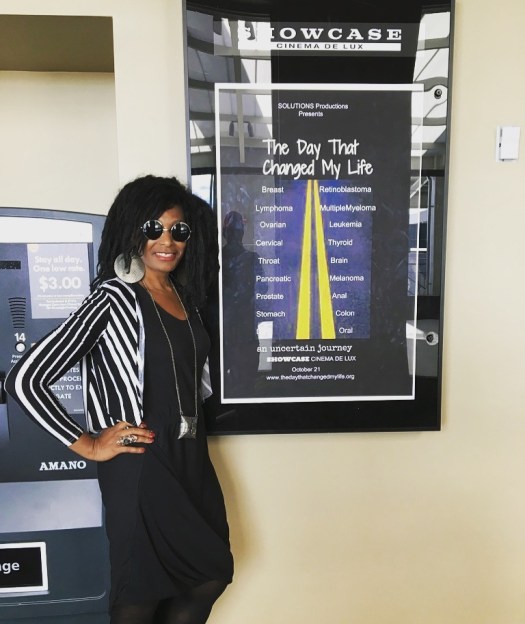
The documentary The Day That Changed My Life – cancer an uncertain journey is an exploration into the lives of those who have been touched by cancer. It is a moving, inspiring and uplifting journey and has had multiple showings in the theater. Hear the stories from the perspective of the parents, the children, the best friend, the clergy, the healthcare team and most importantly – the cancer patient.

The book tour may be separate and it will be similar to the screenings as it will not only be held at a typical book store, but libraries, cancer support groups, college campuses – specifically targeting social workers, psychology and health professional students, church health ministry departments, book clubs, etc. The books can be made available at the screenings as well.

Please let me know if you are interested and open to joining me on my mission by hosting a viewing or book discussion. Moving forward with bringing cancer awareness in 2019. Are you on board?

The Day That Changed My Life Documentary
http://www.thedaythatchangedmylife.org/