Tough Task: Leading, Learning and Making An Impact

Life, it seems, is a relentless teacher. Over the years, the lessons etched into my soul have not come from textbooks, but from the raw experiences of serving within my community. My journey began with a fervent mission – to educate about the importance of early detection through cancer screenings and preventive measures. Countless workshops, community forums, and one-on-one conversations fueled my belief that knowledge was power in the fight against this relentless disease.

Yet, a stark reality emerged. Most encounters were with those already facing the storm, diagnosed with cancer, often at an advanced stage. This realization stung. The very people I aimed to empower were coming in when options dwindled. It ignited a new passion within me – to be the steadfast presence for families navigating the treacherous waters of diagnosis, treatment, and hospitalization.

My role is being the expert, the advocate, the one who deciphered medical jargon and guided through baffling bureaucratic hurdles. Yet, the weight of that role became painfully evident when my brother succumbed to cancer just four weeks and four days after his diagnosis. The feeling of failure, the helplessness, lingers to this day.

But grief, it turned out, was not the endpoint. Instead, it fueled a fierce determination in my approach to my sister, burdened by the same family history. Here, vigilance became my mantra. Early detection, constant monitoring, a proactive approach – these became the cornerstones of our fight. This journey emphasized the importance of empowering patients and families to be active participants in their own healthcare. It is not just about information; it is about ownership, about feeling heard and understood.
Despite advancements in research and treatment, the harsh truth remains – minority communities grapple with disproportionately high cancer mortality rates. This disparity is unacceptable. My voice echoes not only within the community, but also in the halls of research institutions and government offices. I am a bridge between the battlefield of disease and the architects of solutions. I advocate for affordable, accessible healthcare, for increased funding for research, and for a system that truly serves the needs of all. 

The lessons continue to unfold.  Serving my community isn’t just about offering knowledge or navigating the healthcare system. It’s about advocating for change, for a world where early detection truly empowers, where the advancements in research touch all lives, not just some. This is the fire that burns within me, a fire that compels me to be the voice for those who have not found theirs, a voice echoing in the halls of power and whispering alongside patients as they chart their course. 

The fight continues.
Pancreatic Cancer: Early Detection, Symptoms, Diagnosis, Treatment, and Progress

November is Pancreatic Cancer Awareness Month, and out comes the bullhorn as I take this opportunity to be a part of the campaign. True to form, like a broken record, I share my very personal experience with the disease. It was summer, August of 2018, three days after his birthday, my brother was diagnosed with pancreatic cancer. Four weeks and four days later, he was gone.

So, what is pancreatic cancer? Pancreatic cancer is a cancer that starts in the pancreas, a gland that produces digestive enzymes and hormones. It is one of the most aggressive and deadly cancers, with a five-year survival rate of just 10%. However, early detection can improve survival rates significantly.

Early Detection

There is no specific screening test for pancreatic cancer, but there are some things that people can do to increase their chances of early detection, such as:

  • Knowing their risk factors for pancreatic cancer, which include smoking, obesity, and diabetes.
  • Being aware of the symptoms of pancreatic cancer, such as jaundice (yellowing of the skin and eyes), abdominal pain, unexplained weight loss, and back pain.
  • Seeing a doctor regularly for checkups.

Symptoms

The symptoms of pancreatic cancer can be vague and often mimic other conditions, such as gastritis or pancreatitis. This can make it difficult to diagnose early on. However, some of the most common symptoms of pancreatic cancer include:

  • Jaundice
  • Abdominal pain
  • Unexplained weight loss
  • Back pain
  • Nausea and vomiting
  • Difficulty swallowing
  • Fatigue
  • Dark urine
  • Light-colored stools

If you experience any of these symptoms, it is important to see a doctor right away.

Diagnosis

If a doctor suspects that you may have pancreatic cancer, they will likely order a number of tests, including blood tests, imaging tests, and a biopsy.

  • Blood tests can check for elevated levels of certain tumor markers, which can be a sign of pancreatic cancer.
  • Imaging tests, such as CT scans and MRIs, can create pictures of the pancreas and surrounding organs. This can help doctors to locate any tumors and assess their size and location.
  • A biopsy is a procedure in which a small sample of tissue is removed from the pancreas and examined under a microscope for cancer cells.

Treatment Options

The treatment options for pancreatic cancer depend on the stage of the cancer, the patient’s overall health, and their personal preferences. Some of the most common treatment options include:

  • Surgery is the only curative treatment for pancreatic cancer. However, not all tumors are resectable (meaning that they can be safely removed).
  • Chemotherapy uses drugs to kill cancer cells. It can be used before or after surgery, or as a standalone treatment for patients who are not eligible for surgery.
  • Radiation therapy uses high-energy beams to kill cancer cells. It can be used before or after surgery, or as a standalone treatment for patients who are not eligible for surgery.

Progress in Research

There has been significant progress in pancreatic cancer research in recent years. For example, scientists have identified new genetic markers that can help to diagnose pancreatic cancer earlier. They have also developed new drugs and treatment strategies that are showing promise in clinical trials.

Targeted therapy drugs target specific molecules that are involved in the growth and survival of cancer cells. This type of therapy is often more effective and has fewer side effects than traditional chemotherapy drugs. Furthermore, immunotherapy drugs help the body’s own immune system fight cancer cells. Immunotherapy is a relatively new type of treatment for pancreatic cancer, but it has shown promising results in clinical trials.

Resources for Patients and Families

There are a number of resources available to support patients with pancreatic cancer and their families. Some of these resources include:

  • Pancreatic Cancer Action Network (PanCAN): PanCAN is a national organization that provides support and information to patients with pancreatic cancer and their families. PanCAN also advocates for increased research funding and awareness of pancreatic cancer https://pancan.org/
  • American Cancer Society: The American Cancer Society provides a variety of resources to patients with cancer and their families, including information about cancer, treatment options, and support services https://www.cancer.org/
  • National Institute of Cancer (NCI): The NCI is a division of the National Institutes of Health that provides information and resources about cancer research and prevention https://www.cancer.gov/

Pancreatic cancer is a challenging disease, but there is hope. With early detection and treatment, more and more people are surviving pancreatic cancer. Cheers to the survivors. Prayers of hope for those who are diagnosed and are currently in treatment. Prayers of comfort for the families who have lost a loved one.

Find the Cure – Research Makes It Possible!

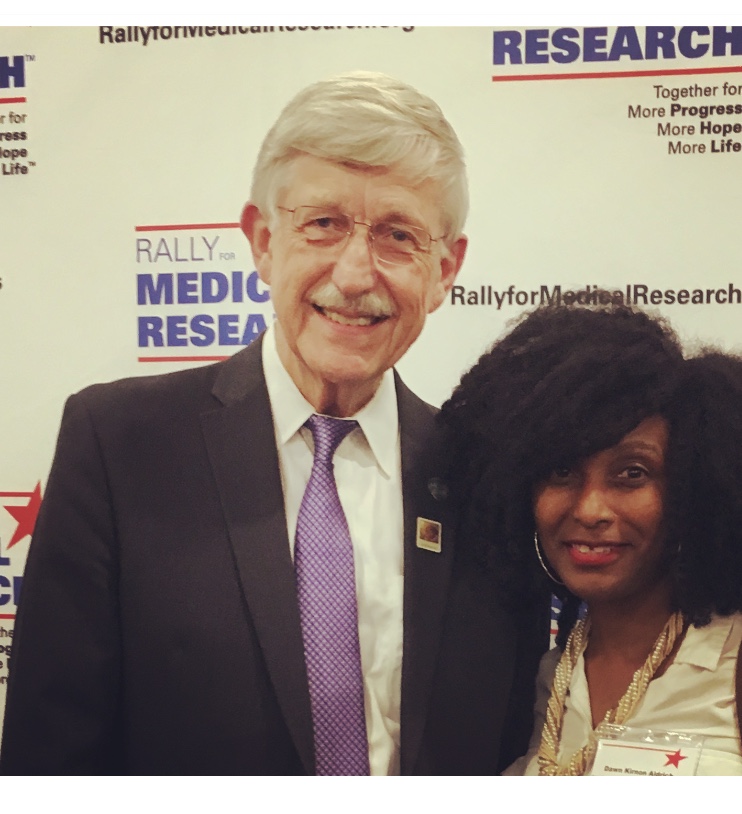
Dr. Francis Collins (Director National Institute of Health)

The desperation seen on the faces of the patients and their loved ones is one that screams for action. The look says it all. Please tell me that you can save me. Please do something to make my loved one get better. Please take away the pain.

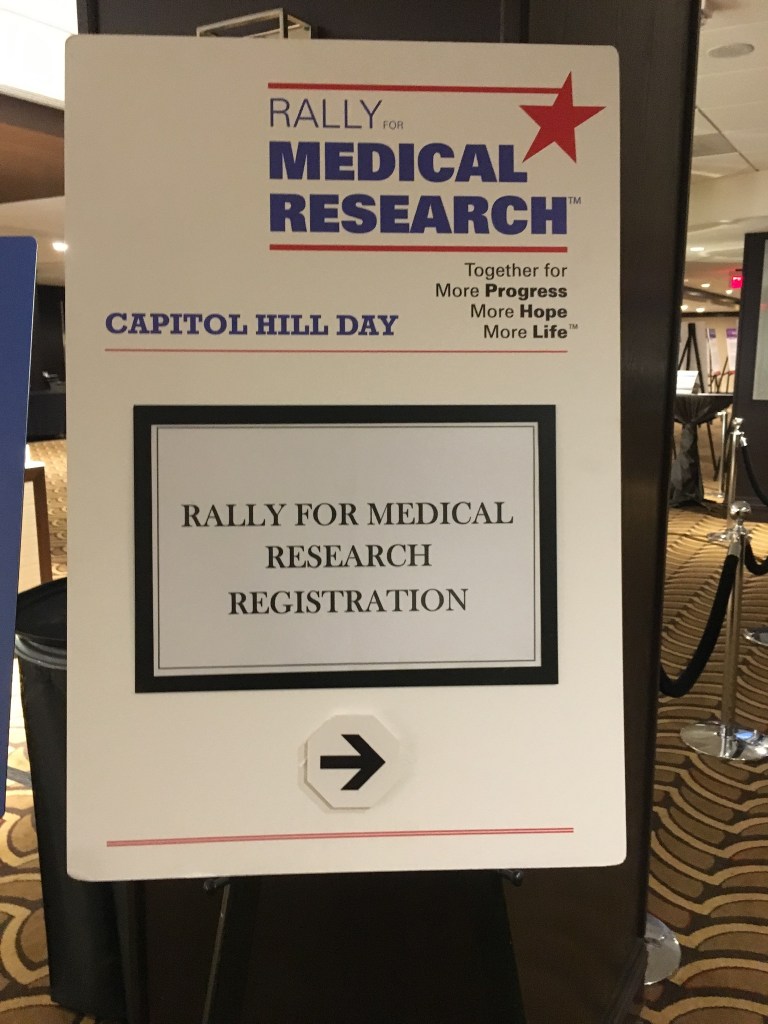
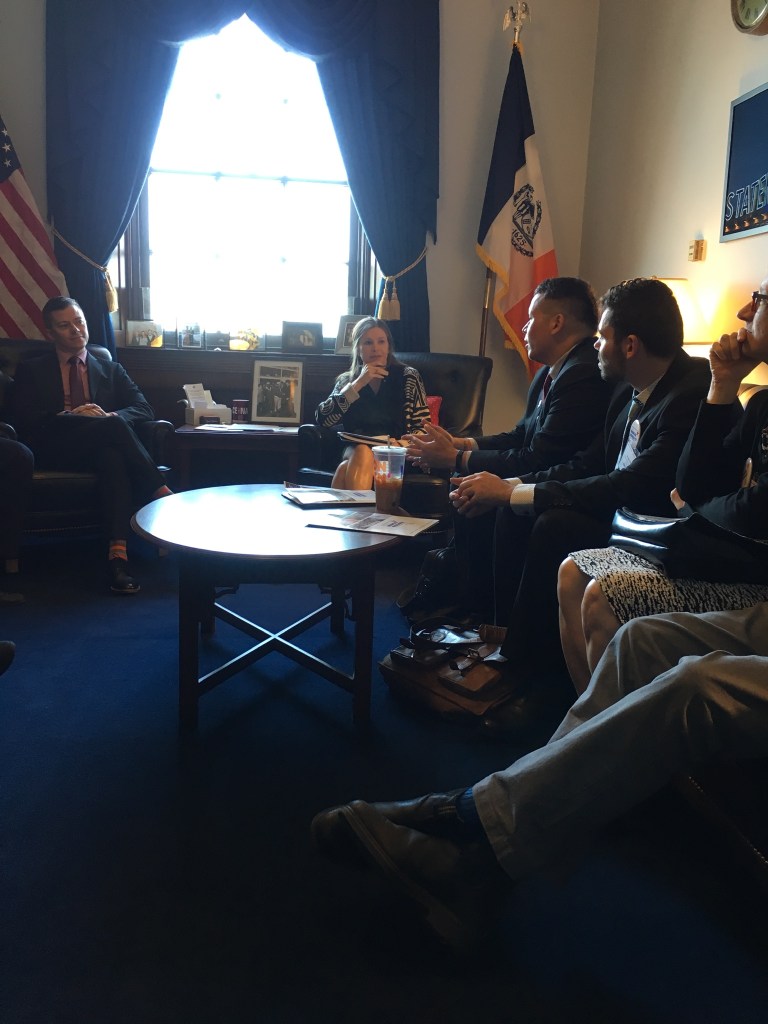
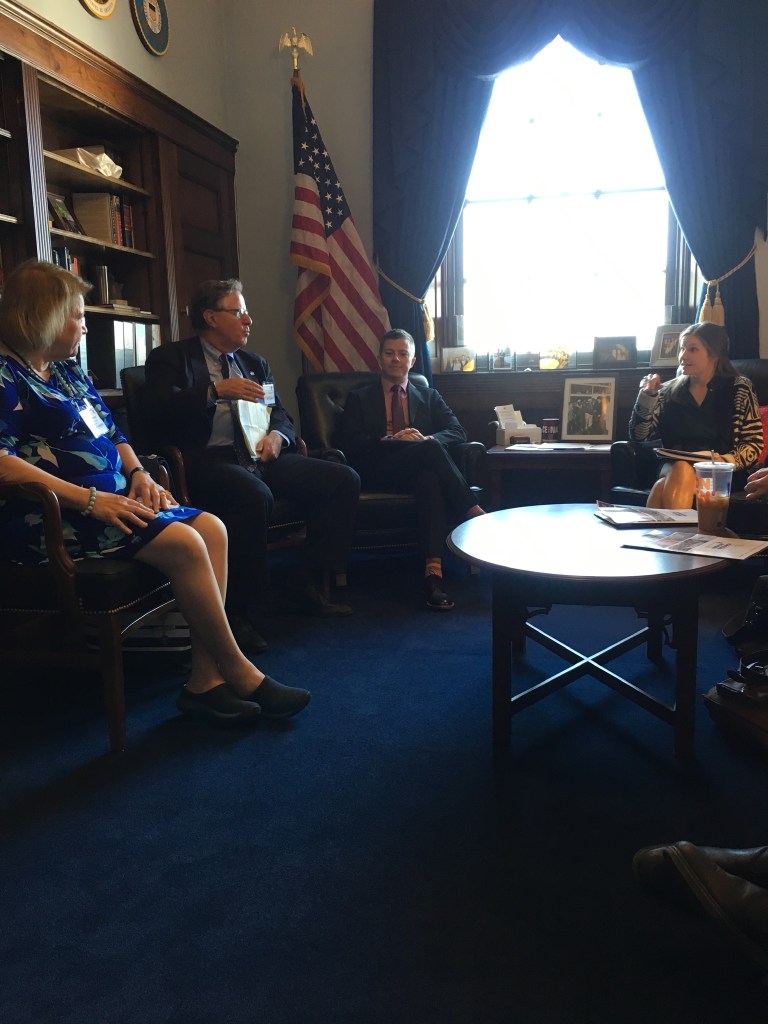
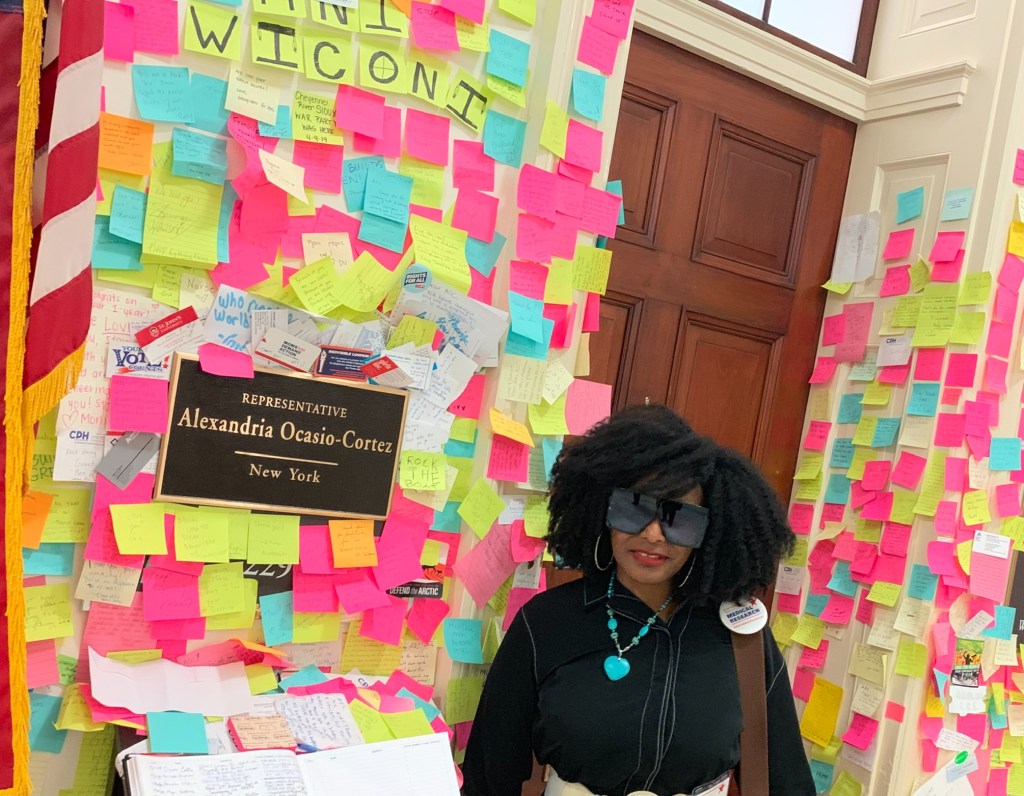
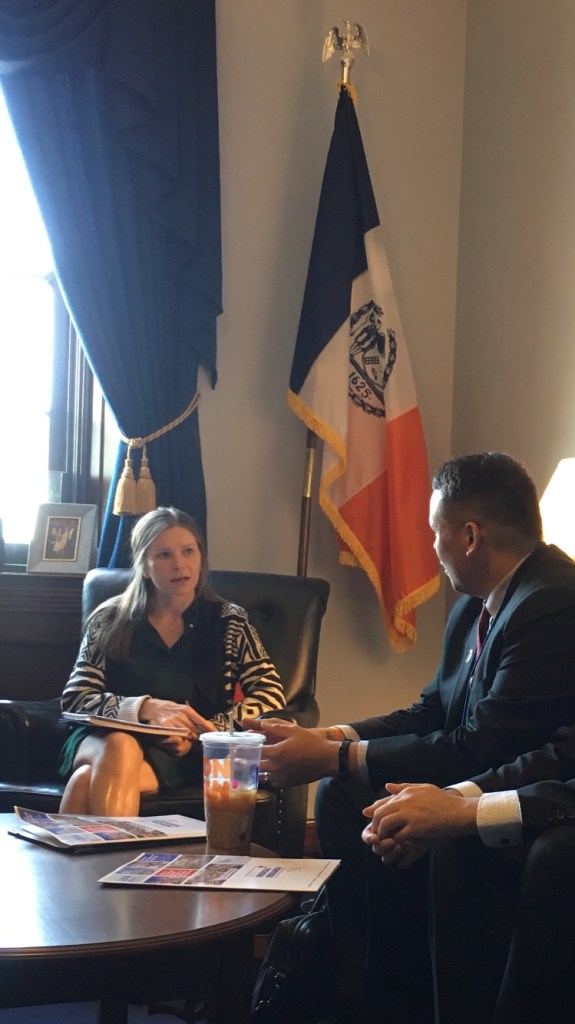
These are the reasons why advocates headed to the Capitol to meet with their state and local leaders to ask for funding of the National Institute of Health (NIH). The advocates included patients, caregivers, research scientists and doctors sharing their stories and expressing the need for a robust and sustained funding for the NIH.

The request is for 2.5 billion dollars.

The Rally for Medical Research meeting included a review of the progress made in cancer. There has been significant strides from 1971 where the recorded number of survivors was 3 million. Due to the research over the years, there are now 16.9 million survivors recorded in 2019. The FDA approved 17 new anti-cancer therapeutics that are effectively treating patients who have been diagnosed with various kinds of cancer. In addition, 10 previously approved anti-cancer therapeutics to treat new kinds of cancer all happened between August 1, 2018 and July 31, 2019.

While there are significant progresses in treating cancer patients, the disparities are still outstanding. Non Hispanic black men with prostate cancer has a mortality rate that has more than doubled that of any other racial or ethnic group. Taking a look within the rural areas in comparison to urban areas, women with ductal carcinoma in situ are 29% less likely to receive radiotherapy after breast conserving surgery.

While listening to the stories that were shared during the meetings on the Hill, a pediatric doctor spoke of a child who came from Oklahoma to New York for a clinical trial treatment that was only possible due to the funding from the NIH. The child is responding well to the treatment which one can only imagine brings hope to the family. Needless to say, the clinical trial treatment will most likely be added to the new methods of treatment – saving or extending other lives.

Another story was shared by a couple who came in from Canada to give thanks and encourage our leaders to fund the NIH as they too have benefited from the prehab and rehab programs. Christine Cosby was diagnosed with breast cancer and had quite a difficult time with the side effects of her treatment. Christine’s husband also shared how beneficial the services were and the need for others to have access to these kinds of discoveries. He was quite emotional as he expressed his gratitude. The couple remains optimistic as they have both benefited emotionally, mentally and physically from the program.

The stories are many and they are all compelling. The call is simply to ask for funding to help the researchers to find the cure. Here’s your chance to call your local and state representative to fund the NIH. The research funding may be the one that saves your loved one or even your own life. Find Your Representative