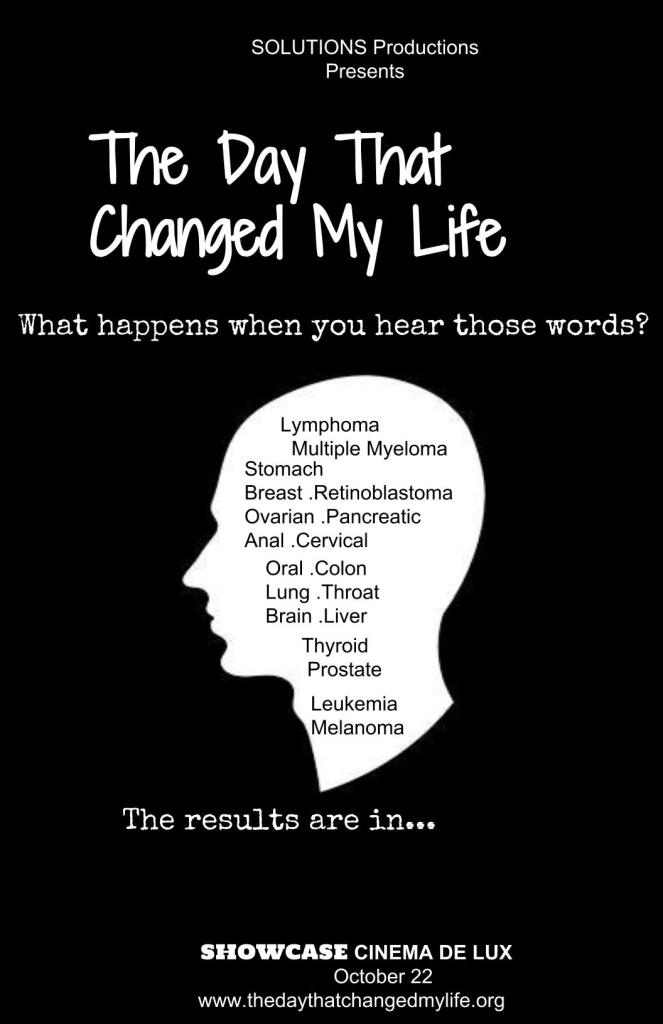
“The Day That Changed My Life: Cancer – An Uncertain Journey” offers a raw and honest portrayal of the challenges and triumphs faced by individuals battling cancer. Available on Amazon Prime and Audible as the live theatrical play, documentary, and audiobooks. These compelling narratives provide a deeply personal perspective on the emotional, physical, and psychological impact of this disease.
Through a powerful blend of storytelling and multimedia, this production explores the complexities of a cancer diagnosis, the arduous journey of treatment, and the enduring hope that sustains patients and their loved ones. By sharing personal experiences and insights, hearing from the parents whose child has been diagnosed with cancer, the wife breaking the news to her husband, the best friends, and how it impacts the clergy – the creators of this project aim to raise awareness, provide support, and inspire others facing similar challenges.
Whether you’re a cancer survivor, caregiver, or simply someone seeking inspiration, “The Day That Changed My Life: Cancer – An Uncertain Journey” offers a poignant and thought-provoking exploration of the human spirit in the face of adversity.
Consider hosting a watch party with friends and family to discuss the story and its impact. You could also join or start a support group to connect with others who have been affected by cancer.
By sharing this story, we can raise awareness, break down stigma, and offer support to those navigating the challenges of cancer.
As October comes to a close, we recognize that the awareness continues. Somewhere, someone is hearing those words – you have cancer. This month is recognized globally as Breast Cancer Awareness Month, a time to raise awareness, support research, and celebrate survivors. Over the years, significant strides have been made in the fight against breast cancer, leading to improved detection, treatment, and survival rates.
Early detection remains crucial in the battle against breast cancer. Regular mammograms and clinical breast exams can help identify cancer at its earliest stages, when treatment is most effective. Women of all ages, especially those with a family history of breast cancer, should prioritize regular screenings.
While significant progress has been made, disparities in breast cancer rates and outcomes persist among different racial and ethnic groups. It’s essential to address these disparities through targeted outreach, education, and access to quality healthcare.
Breast cancer treatment can be physically and emotionally demanding for both patients and their caregivers. Support groups, counseling services, and community resources can provide invaluable assistance during this challenging time.
Continued research is vital to developing new and improved treatments for breast cancer. By supporting research initiatives, we can help bring hope to millions of people affected by this disease.
Final Word:
Get Screened: Schedule regular mammograms and clinical breast exams.
Know Your Family History: Share your family health history with your doctor.
Make Healthy Lifestyle Choices: Eating a balanced diet, exercising regularly, and avoiding tobacco use can reduce your risk.
Support Research: Donate to organizations dedicated to breast cancer research.
Raise Awareness: Spread the word about breast cancer prevention and early detection.
Let us continue to work together – we can make a difference in the lives of those affected by breast cancer and move closer to a future without this disease.
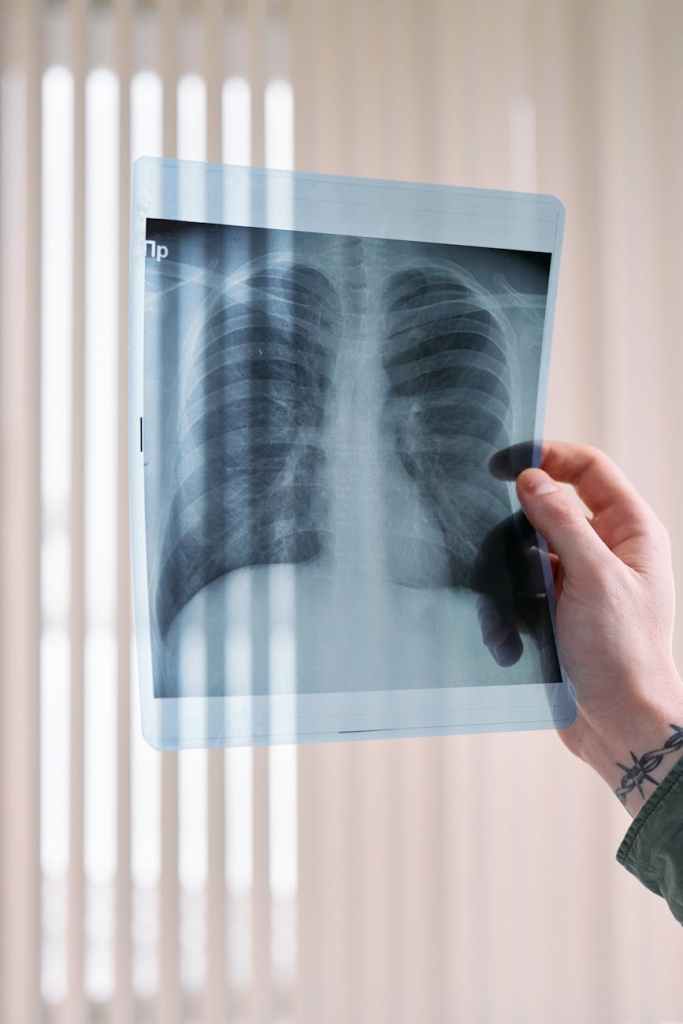
Today, as we observe World Lung Cancer Day, it is imperative to shed light on this formidable disease. Lung cancer, often insidious in its onset, remains a leading cause of cancer-related deaths globally. The disease disproportionately affects specific demographics, underscoring the importance of targeted prevention and early detection efforts.
Symptoms of lung cancer can be subtle and often mimic those of common ailments, making early detection a challenge. A persistent cough, chest pain, shortness of breath, and blood in sputum are among the most common indicators. However, it’s crucial to remember that these symptoms can also be attributed to other conditions. Therefore, regular check-ups and prompt medical attention for any persistent or unusual symptoms are vital.
Smoking remains the primary risk factor for lung cancer. Yet, it’s essential to dispel the myth that only smokers are at risk. Exposure to secondhand smoke, radon, asbestos, and certain chemicals can also increase the likelihood of developing this disease. This underscores the importance of comprehensive public health strategies to address both smoking cessation and environmental factors.
Treatment options for lung cancer have advanced significantly in recent years, including surgery, chemotherapy, radiation therapy, targeted therapy, and immunotherapy. Early detection significantly improves the chances of successful treatment. Therefore, raising awareness, promoting early screening, and encouraging healthy lifestyle choices are critical steps in combating this deadly disease.
World Lung Cancer Day serves as a poignant reminder of the importance of prioritizing lung health. By understanding the risks, recognizing the symptoms, and advocating for early detection, we can work towards a future where lung cancer is no longer a leading cause of death.
Get your spectacles and let us get into this very important subject – vaping.
Vaping, the act of inhaling and exhaling the aerosol produced by an electronic cigarette (e-cigarette), exploded in popularity over the past decade. Marketed as a “cleaner” alternative to traditional cigarettes, these devices have become ubiquitous, particularly among young adults. However, the initial allure of flavored vapes and the lack of long-term research cast a long shadow over their safety.
One of the primary drivers of vaping’s appeal lies in its flavor variety. Unlike traditional cigarettes with their singular, often harsh taste, vapes come in a seemingly endless array of flavors – from sweet candy and fruity concoctions to minty fresh and even dessert-inspired options. This diversity, particularly those mimicking familiar candies and fruits, can be especially enticing to young people, creating a gateway to potential addiction. The flavors often mask the harshness associated with nicotine, making it easier to initiate and sustain vaping habits.
While e-cigarettes may not contain tobacco itself, the aerosol they produce is not harmless. It can contain a complex mix of chemicals, including ultrafine particles, heavy metals, and volatile organic compounds (VOCs). The long-term health effects of inhaling this cocktail remain largely unknown. Studies are ongoing, but the relatively short history of vaping makes it difficult to definitively assess its impact on lung health and the potential for cancer development.
Recent research suggests a potential correlation between vaping and an increased risk of lung cancer. Studies have identified concerning precancerous changes in the lungs of young people who vape. Additionally, some studies have found a link between vaping and an increased risk of specific lung cancers, although the evidence is still evolving. While more research is needed to establish a definitive cause-and-effect relationship, these findings raise serious alarms.
The potential dangers of vaping extend beyond cancer. Emerging evidence suggests it may also contribute to respiratory illnesses like bronchitis and asthma. Additionally, the nicotine content in most vapes can be highly addictive, leading to dependence and withdrawal symptoms.
Vaping presents a complex issue. More research is needed to fully understand the long-term health effects. However, the existing evidence raises red flags. For young people, the potential for addiction and impaired brain development is a significant concern. Adults seeking to quit smoking should explore established and evidence-based methods with the support of a healthcare professional. Ultimately, responsible choices and informed decisions are paramount when navigating the world of vaping.
The challenge is that the popularity of vaping, particularly among young people, necessitates a multi-pronged approach. Stricter regulations on flavorings and marketing are crucial to curb the appeal of these products. Increased public education campaigns are essential to raise awareness about the potential health risks. The emphasis for further research remains paramount to definitively understanding the long-term consequences of vaping on human health.
Vaping may have emerged as a potential alternative, but the lingering cloud of uncertainty surrounding its health effects demands a cautious approach. By prioritizing research, implementing stricter regulations, and promoting awareness, we can work towards a clearer future where informed choices, not enticing flavors, guide our health decisions.
Today, I would like to share about a topic that may not be the most comfortable, but it’s undeniably important: Colorectal cancer, also known as colon cancer.
Cancer, in any form, is a daunting word. But unlike many cancers, colorectal cancer is highly treatable – especially when caught early. Early detection is truly our weapon of choice in this battle.
Let us begin with understanding or at least explaining what colon cancer is. It starts with polyps, small growths that form on the inner lining of the colon or rectum. While most polyps are benign, some can develop into cancer over time. That’s why screening is crucial.
You may be wondering, what does the screening process looks like? There are several effective options, including colonoscopies, stool tests, and sigmoidoscopies. Each method has its advantages and disadvantages, so it’s important to talk to your doctor about the best option for you.
The American Cancer Society recommends starting regular screenings at age 45 for people at average risk. However, certain factors like family history or inflammatory bowel disease may necessitate earlier screenings.
Photo by Tara Winstead
While it doesn’t discriminate, African Americans are more likely to be diagnosed at a younger age and have higher mortality rates. Additionally, people with a family history of the disease are at an increased risk.
Colorectal cancer is the second leading cause of cancer deaths in the United States. However, there’s a silver lining. When detected early, the five-year survival rate for colorectal cancer is over 90%. Early detection truly makes a world of difference.
Imagine a loved one – a parent, a sibling, a friend. Early detection could be the difference between saying goodbye and celebrating many more years together.
The Point Is….
Know your risk factors. Talk to your doctor about your family history and any personal health concerns.
Don’t ignore symptoms. While some people may not have any symptoms initially, persistent changes in bowel habits, unexplained weight loss, or rectal bleeding can be red flags.
Schedule your screening. Don’t let fear or embarrassment stand in the way. This simple step could save your life.
Spread the word. Talk to your family and friends about the importance of colorectal cancer awareness and early detection.
We all have a role to play in being vigilant as it relates to our health and well-being. By taking action, by getting screened, we can turn the tide on colorectal cancer. Let’s make every step count – together.
November is Pancreatic Cancer Awareness Month, and out comes the bullhorn as I take this opportunity to be a part of the campaign. True to form, like a broken record, I share my very personal experience with the disease. It was summer, August of 2018, three days after his birthday, my brother was diagnosed with pancreatic cancer. Four weeks and four days later, he was gone.
So, what is pancreatic cancer? Pancreatic cancer is a cancer that starts in the pancreas, a gland that produces digestive enzymes and hormones. It is one of the most aggressive and deadly cancers, with a five-year survival rate of just 10%. However, early detection can improve survival rates significantly.
Early Detection
There is no specific screening test for pancreatic cancer, but there are some things that people can do to increase their chances of early detection, such as:
Knowing their risk factors for pancreatic cancer, which include smoking, obesity, and diabetes.
Being aware of the symptoms of pancreatic cancer, such as jaundice (yellowing of the skin and eyes), abdominal pain, unexplained weight loss, and back pain.
Seeing a doctor regularly for checkups.
Symptoms
The symptoms of pancreatic cancer can be vague and often mimic other conditions, such as gastritis or pancreatitis. This can make it difficult to diagnose early on. However, some of the most common symptoms of pancreatic cancer include:
Jaundice
Abdominal pain
Unexplained weight loss
Back pain
Nausea and vomiting
Difficulty swallowing
Fatigue
Dark urine
Light-colored stools
If you experience any of these symptoms, it is important to see a doctor right away.
Diagnosis
If a doctor suspects that you may have pancreatic cancer, they will likely order a number of tests, including blood tests, imaging tests, and a biopsy.
Blood tests can check for elevated levels of certain tumor markers, which can be a sign of pancreatic cancer.
Imaging tests, such as CT scans and MRIs, can create pictures of the pancreas and surrounding organs. This can help doctors to locate any tumors and assess their size and location.
A biopsy is a procedure in which a small sample of tissue is removed from the pancreas and examined under a microscope for cancer cells.
Treatment Options
The treatment options for pancreatic cancer depend on the stage of the cancer, the patient’s overall health, and their personal preferences. Some of the most common treatment options include:
Surgery is the only curative treatment for pancreatic cancer. However, not all tumors are resectable (meaning that they can be safely removed).
Chemotherapy uses drugs to kill cancer cells. It can be used before or after surgery, or as a standalone treatment for patients who are not eligible for surgery.
Radiation therapy uses high-energy beams to kill cancer cells. It can be used before or after surgery, or as a standalone treatment for patients who are not eligible for surgery.
Progress in Research
There has been significant progress in pancreatic cancer research in recent years. For example, scientists have identified new genetic markers that can help to diagnose pancreatic cancer earlier. They have also developed new drugs and treatment strategies that are showing promise in clinical trials.
Targeted therapy drugs target specific molecules that are involved in the growth and survival of cancer cells. This type of therapy is often more effective and has fewer side effects than traditional chemotherapy drugs. Furthermore, immunotherapy drugs help the body’s own immune system fight cancer cells. Immunotherapy is a relatively new type of treatment for pancreatic cancer, but it has shown promising results in clinical trials.
Resources for Patients and Families
There are a number of resources available to support patients with pancreatic cancer and their families. Some of these resources include:
Pancreatic Cancer Action Network (PanCAN): PanCAN is a national organization that provides support and information to patients with pancreatic cancer and their families. PanCAN also advocates for increased research funding and awareness of pancreatic cancer https://pancan.org/
American Cancer Society: The American Cancer Society provides a variety of resources to patients with cancer and their families, including information about cancer, treatment options, and support services https://www.cancer.org/
National Institute of Cancer (NCI): The NCI is a division of the National Institutes of Health that provides information and resources about cancer research and prevention https://www.cancer.gov/
Pancreatic cancer is a challenging disease, but there is hope. With early detection and treatment, more and more people are surviving pancreatic cancer. Cheers to the survivors. Prayers of hope for those who are diagnosed and are currently in treatment. Prayers of comfort for the families who have lost a loved one.
Cancer is a complex disease that can affect any part of the body. It is a leading cause of death worldwide, and early detection is critical for improving survival rates. While many people are aware of the common symptoms of cancer, such as a lump, unexplained weight loss, and fatigue, there are also some unusual symptoms that can be signs of cancer.
In this article, we will discuss some of the more unusual symptoms of cancer, as well as the cancers that they may be associated with. We will also explain why these symptoms may be more likely to be caused by cancer.
Sudden hearing loss: Hearing loss can be a symptom of nasopharyngeal cancer, a type of cancer that starts in the back of the nose and throat.
Trouble swallowing: Difficulty swallowing can be a symptom of esophageal cancer, a type of cancer that starts in the food pipe.
Swelling in the legs or feet: Unexplained swelling in the legs or feet can be a symptom of kidney cancer or ovarian cancer.
Unexplained weight gain: While most people associate cancer with weight loss, some types of cancer, such as pancreatic cancer, can actually cause weight gain.
Night sweats: Night sweats can be a symptom of lymphoma, a type of cancer that starts in the lymph nodes.
Chest pain: Chest pain can be a symptom of lung cancer or breast cancer.
Trouble breathing: Shortness of breath can be a symptom of lung cancer or lymphoma.
Seizures: Seizures can be a symptom of brain cancer.
Memory problems: Memory problems can be a symptom of brain cancer or leukemia.
Changes in vision: Changes in vision, such as blurred vision or double vision, can be a symptom of brain cancer or eye cancer.
Changes in Bowel or Bladder Habits: Changes in bowel or bladder habits can be a sign of cancer in the colon, rectum, bladder, or prostate. These changes can include diarrhea, constipation, blood in the stool or urine, and frequent urination.
Skin Changes: Skin changes can be a sign of skin cancer or cancer that has spread to the skin. These changes can include a new mole, a mole that changes in size, shape, or color, or a sore that does not heal.
Fatigue: Fatigue is a common symptom of many types of cancer, but it can also be caused by other conditions. Fatigue caused by cancer is often persistent and unexplained.
It is important to see a doctor right away if you experience any of these unusual symptoms. Early diagnosis and treatment are important for improving the chances of survival for many types of cancer.
Here is a look at some additional tips for recognizing the signs and symptoms of cancer:
Be aware of your body and any changes that you notice.
Talk to your doctor about any concerns that you have.
Get regular cancer screenings, even if you don’t have any symptoms.
Early detection is key to successful cancer treatment. By being aware of the signs and symptoms of cancer and getting regular screenings, you can help increase your chances of survival.
It cannot be emphasized enough, how important it is to remember that these are just a few of the unusual symptoms of cancer. If you experience any of these symptoms, it is important to see a doctor right away to get checked out. Early diagnosis and treatment is essential for the best possible outcome for people with cancer.
Surviving cancer is a difficult journey, and there are many challenges that survivors face. One of the biggest challenges is the fear of recurrence. Survivors often worry that their cancer will come back, and this can be a major source of anxiety. Another challenge is the guilt of surviving. Survivors may feel guilty that they survived when others did not, or they may feel guilty about the side effects that they have experienced.
These challenges can be difficult to cope with, but there are things that survivors can do to help themselves. One important thing is to talk to a therapist or counselor. Therapy can help survivors to deal with their fears, guilt, and other emotions. It can also help survivors to develop coping mechanisms and to build a support network.
Another important thing that survivors can do is to take care of their physical and mental health. This means eating a healthy diet, getting enough exercise, and getting enough sleep. It also means taking care of their mental health by practicing relaxation techniques and by talking to friends and family members.
Surviving cancer is a difficult journey, but it is a journey that can be survived. By taking care of themselves and by getting the support they need, survivors can overcome the challenges that they face and live a healthy and happy life.
Photo by Thirdman
Here are some additional tips for survivors of cancer:
Stay positive. It is important to stay positive and to focus on the good things in life. This can be difficult, but it is important to remember that you are not alone and that there are people who care about you.
Connect with others. It is important to connect with others who have survived cancer. This can be done through support groups, online forums, or simply by talking to friends and family members who have been through similar experiences.
Take care of yourself. It is important to take care of yourself, both physically and mentally. This means eating a healthy diet, getting enough exercise, and getting enough sleep. It also means taking care of your mental health by practicing relaxation techniques and by talking to friends and family members.
Be patient. It takes time to recover from cancer. Be patient with yourself and with others. Do not expect to be back to normal overnight.
Celebrate your successes. It is important to celebrate your successes, no matter how small they may seem. This will help you to stay positive and to focus on the good things in life.
Are you one of those who will make the weekend decision to begin on Monday? “Starting on Monday I will eat healthy, exercise and try to maintain a healthy diet and weight.” Of course, there are those who will make the attempt on Monday and successfully make it through the week with their goals. However, there are some who with the best intentions fall off the track simply by eating a snack or making a food choice that they know is not the best healthy choice – using that moment to then continue to eat whatever and as much as they want with the new proclamation to begin the healthy plan again next week. There are also the office events, someone’s leaving, someone’s birthday, someone felt like bringing in a homemade pie or cookies, etc. and you certainly do not want to offend anyone so you indulge. On the other hand, it may be missing the morning run or a gym day. Whatever the situation, do not allow it to take you completely off your track.
Photo by Julia Larson
Keep in mind that you are working to improve your health and wellness. Therefore,you will need to make the necessary adjustments. So you missed a day at the gym, or you woke up late and could not go for your walk/run, you enjoyed a meal or snack that is not on your healthy plan list, the next meal should be one that is healthy. If possible, use the stairs on your way out of the office. Once you are home, plan to do some jumping jacks, sit ups, push ups, and any other indoor exercises that may work for you.
Photo by Julia Larson
Good health requires consistency and it is a work in progress. The challenge is to eat healthy and maintain a well balanced diet to enjoy a healthy and prolonged life. Keep moving through the detours, you will find that you are well on your way in the right direction. It is very important to note that diet and exercise may lower your risk for cancerand here’s more on helping cancer survivors eat better and exercise more.
“Sometimes all we need to do is just talk about it; there’s comfort in knowing that you are not alone.”
This Fall we will be kicking off a series of Conversations and Coffee. These sessions will be an hour of sitting with cancer patients, cancer survivors, caregivers and other supporters. We will explore the concerns and catch up on the latest medical breakthroughs, clinical trials, resources and more.
We have heard from many members of the cancer community who have expressed their interest in joining us on our sessions. It is so important to find a supportive environment. We can take a moment to listen, share and sip together. It is an hour of release.
We’re looking forward to our sessions, we are inviting everyone to come and sip with us and you can even bring your own coffee mug.





















 SOLUTIONS Cancer Resource Center, Inc.