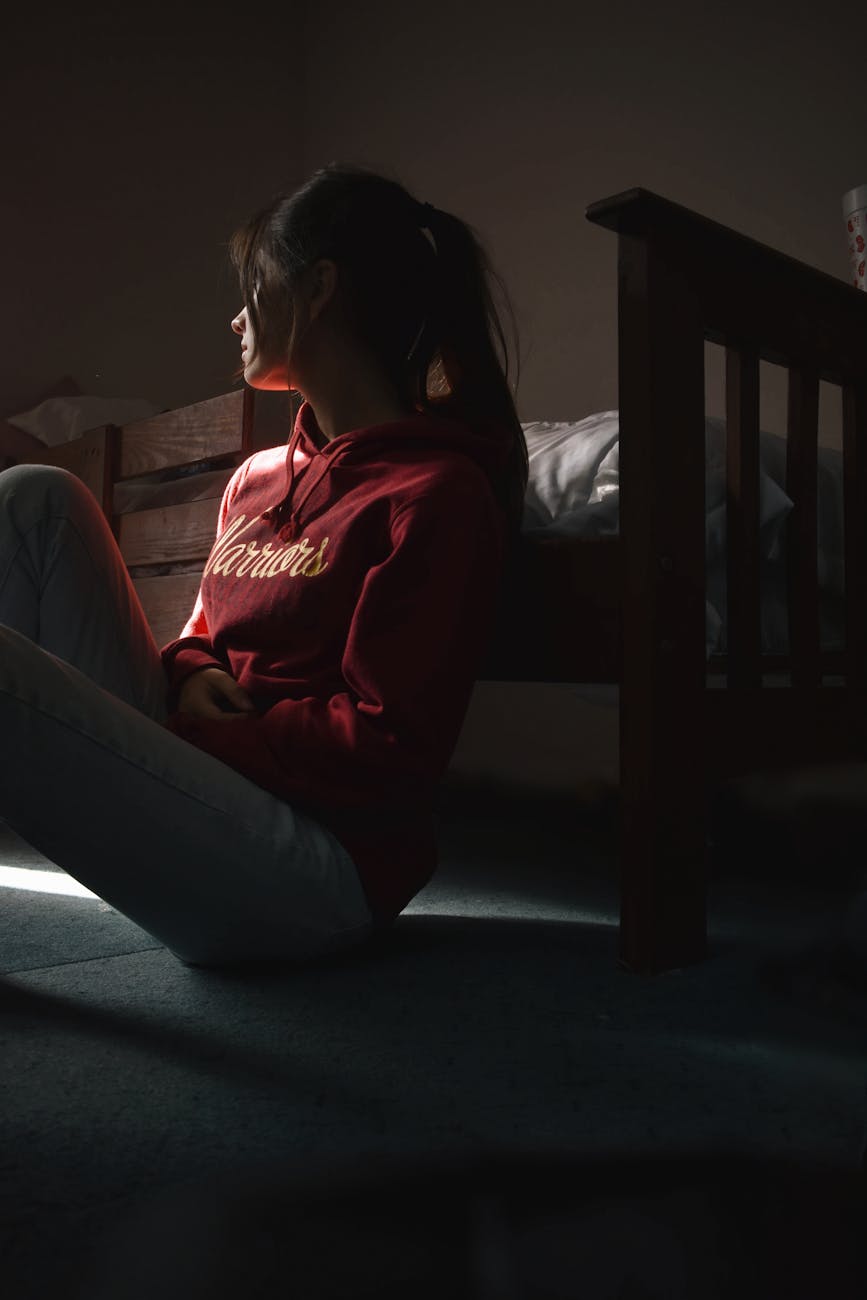
Are You SAD?

We recently entered the season where the daylight savings time has caused us to turn our clocks back an hour to adjust to the longer days without the sun, and in comes SAD. Seasonal Affective Disorder (SAD) is a type of depression that occurs seasonally, primarily during the fall and winter months. This condition can significantly impact a person’s mood, energy levels, and overall well-being. While the exact cause of SAD is not fully understood, it is believed to be linked to reduced exposure to sunlight and changes in the body’s internal clock.

Let’s take a good look at the symptoms

Symptoms of SAD can vary from mild to severe and may include:

  • Persistent feelings of sadness and hopelessness
  • Loss of interest in activities once enjoyed
  • Changes in appetite, often leading to weight gain
  • Fatigue and low energy levels
  • Difficulty concentrating
  • Sleep disturbances, such as insomnia or excessive sleepiness
  • Social withdrawal and irritability

How do we cope?

While SAD can be challenging, there are effective strategies to manage its symptoms. There is light therapy that can help regulate your body’s internal clock and improve your mood. Have you considered engaging in physical activity. Take a brisk walk, turn on YouTube find a yoga class – it has proven to boost your energy levels and reduce feelings of depression. In addition, practices like meditation, mindfulness, and deep breathing can help reduce stress and anxiety. Consider spending time with loved ones and participating in social activities can alleviate feelings of loneliness and isolation. The diet is also key, eating a balanced diet rich in fruits, vegetables, and whole grains can support your overall well-being.

However, if symptoms are severe, consider seeking professional help from a mental health professional. They can provide therapy, medication, or a combination of both to manage SAD effectively. The ultimate goal is to discover ways for individuals with SAD to improve their quality of life and navigate the challenges of the darker months.
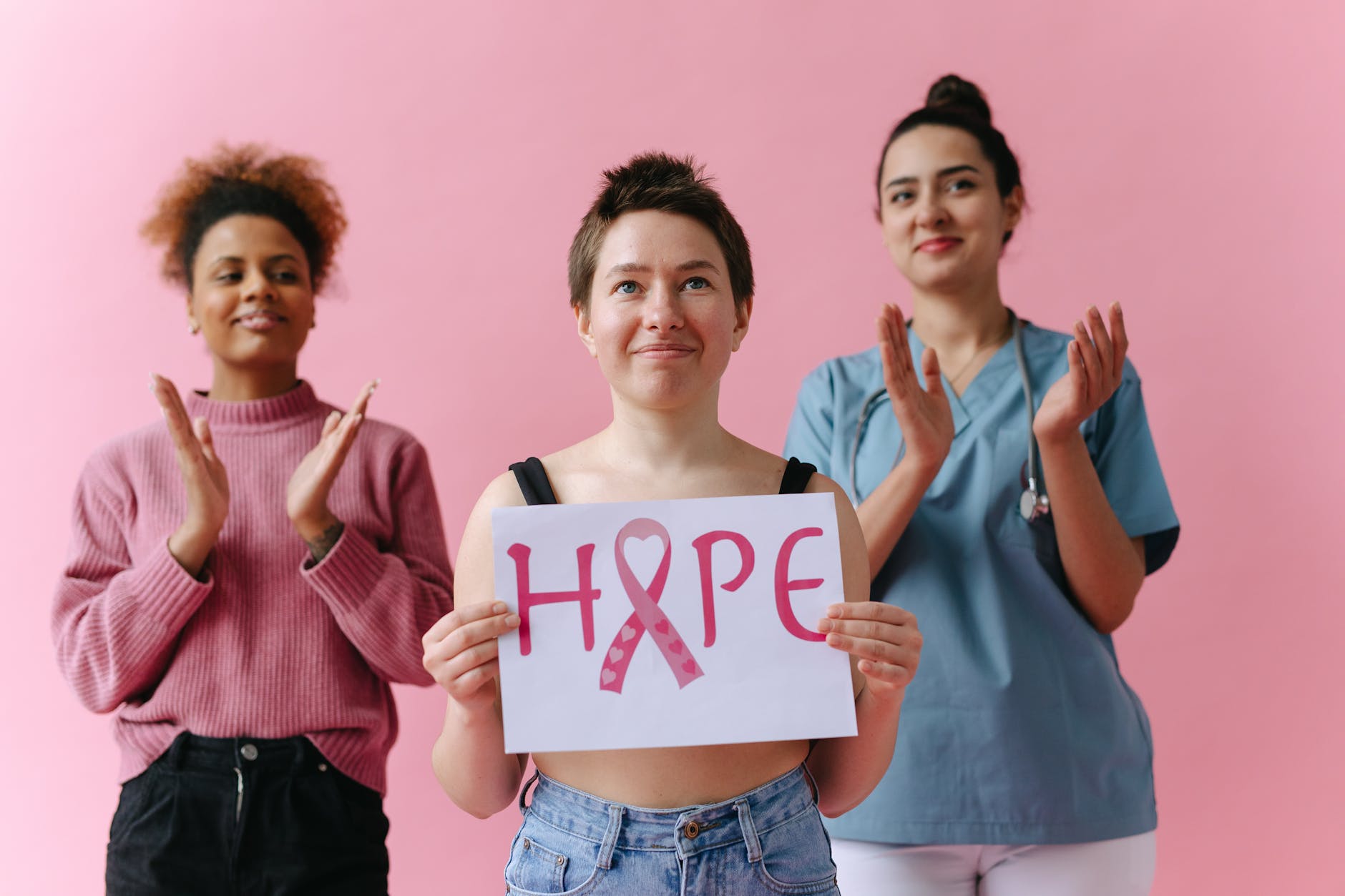

The Awareness Is Ongoing – Breast Cancer

As October comes to a close, we recognize that the awareness continues. Somewhere, someone is hearing those words – you have cancer. This month is recognized globally as Breast Cancer Awareness Month, a time to raise awareness, support research, and celebrate survivors. Over the years, significant strides have been made in the fight against breast cancer, leading to improved detection, treatment, and survival rates.

Early detection remains crucial in the battle against breast cancer. Regular mammograms and clinical breast exams can help identify cancer at its earliest stages, when treatment is most effective. Women of all ages, especially those with a family history of breast cancer, should prioritize regular screenings.

While significant progress has been made, disparities in breast cancer rates and outcomes persist among different racial and ethnic groups. It’s essential to address these disparities through targeted outreach, education, and access to quality healthcare.

Breast cancer treatment can be physically and emotionally demanding for both patients and their caregivers. Support groups, counseling services, and community resources can provide invaluable assistance during this challenging time.

Continued research is vital to developing new and improved treatments for breast cancer. By supporting research initiatives, we can help bring hope to millions of people affected by this disease.

Final Word:

  • Get Screened: Schedule regular mammograms and clinical breast exams.
  • Know Your Family History: Share your family health history with your doctor.
  • Make Healthy Lifestyle Choices: Eating a balanced diet, exercising regularly, and avoiding tobacco use can reduce your risk.
  • Support Research: Donate to organizations dedicated to breast cancer research.
  • Raise Awareness: Spread the word about breast cancer prevention and early detection.

Let us continue to work together – we can make a difference in the lives of those affected by breast cancer and move closer to a future without this disease.

Putting the Spotlight on Lung Cancer

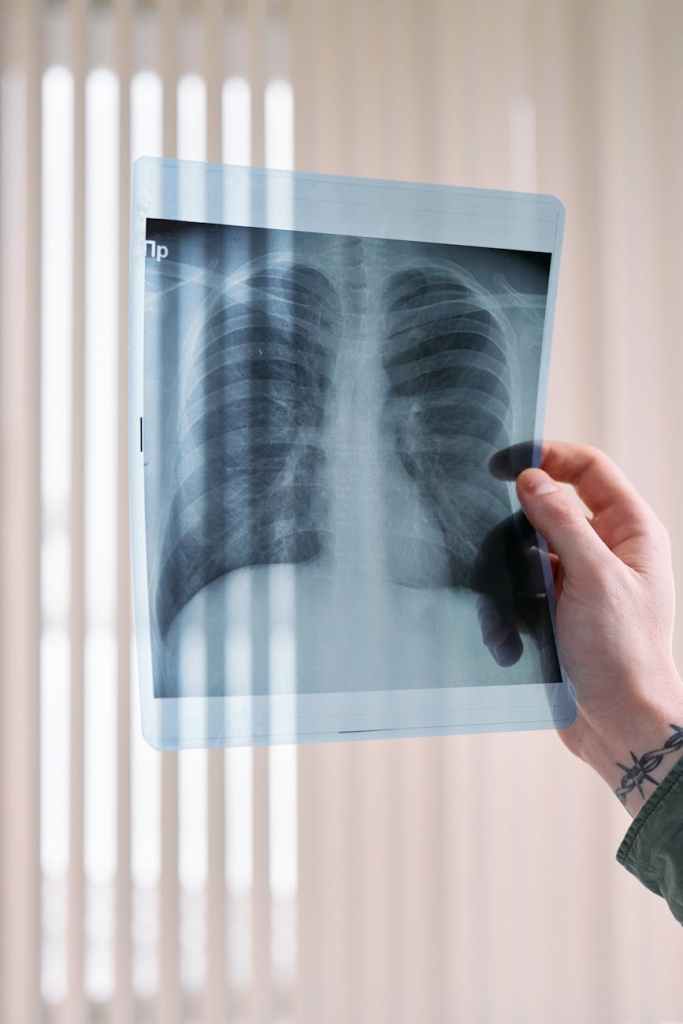
Today, as we observe World Lung Cancer Day, it is imperative to shed light on this formidable disease. Lung cancer, often insidious in its onset, remains a leading cause of cancer-related deaths globally. The disease disproportionately affects specific demographics, underscoring the importance of targeted prevention and early detection efforts.  

Symptoms of lung cancer can be subtle and often mimic those of common ailments, making early detection a challenge. A persistent cough, chest pain, shortness of breath, and blood in sputum are among the most common indicators. However, it’s crucial to remember that these symptoms can also be attributed to other conditions. Therefore, regular check-ups and prompt medical attention for any persistent or unusual symptoms are vital.  

Smoking remains the primary risk factor for lung cancer. Yet, it’s essential to dispel the myth that only smokers are at risk. Exposure to secondhand smoke, radon, asbestos, and certain chemicals can also increase the likelihood of developing this disease. This underscores the importance of comprehensive public health strategies to address both smoking cessation and environmental factors.  

Treatment options for lung cancer have advanced significantly in recent years, including surgery, chemotherapy, radiation therapy, targeted therapy, and immunotherapy. Early detection significantly improves the chances of successful treatment. Therefore, raising awareness, promoting early screening, and encouraging healthy lifestyle choices are critical steps in combating this deadly disease.  

World Lung Cancer Day serves as a poignant reminder of the importance of prioritizing lung health. By understanding the risks, recognizing the symptoms, and advocating for early detection, we can work towards a future where lung cancer is no longer a leading cause of death.

*References:

World Health Organization. (n.d.). Lung cancer. Retrieved from https://www.who.int/news-room/fact-sheets/detail/lung-cancer

American Cancer Society. (n.d.). Lung Cancer. Retrieved from https://www.cancer.org/cancer/types/lung-cancer/about.html

National Cancer Institute. (n.d.). Lung Cancer Treatment (PDQ®)–Patient Version. Retrieved from https://www.cancer.gov/types/lung/hp

Tough Task: Leading, Learning and Making An Impact

Life, it seems, is a relentless teacher. Over the years, the lessons etched into my soul have not come from textbooks, but from the raw experiences of serving within my community. My journey began with a fervent mission – to educate about the importance of early detection through cancer screenings and preventive measures. Countless workshops, community forums, and one-on-one conversations fueled my belief that knowledge was power in the fight against this relentless disease.

Yet, a stark reality emerged. Most encounters were with those already facing the storm, diagnosed with cancer, often at an advanced stage. This realization stung. The very people I aimed to empower were coming in when options dwindled. It ignited a new passion within me – to be the steadfast presence for families navigating the treacherous waters of diagnosis, treatment, and hospitalization.

My role is being the expert, the advocate, the one who deciphered medical jargon and guided through baffling bureaucratic hurdles. Yet, the weight of that role became painfully evident when my brother succumbed to cancer just four weeks and four days after his diagnosis. The feeling of failure, the helplessness, lingers to this day.

But grief, it turned out, was not the endpoint. Instead, it fueled a fierce determination in my approach to my sister, burdened by the same family history. Here, vigilance became my mantra. Early detection, constant monitoring, a proactive approach – these became the cornerstones of our fight. This journey emphasized the importance of empowering patients and families to be active participants in their own healthcare. It is not just about information; it is about ownership, about feeling heard and understood.

Despite advancements in research and treatment, the harsh truth remains – minority communities grapple with disproportionately high cancer mortality rates. This disparity is unacceptable. My voice echoes not only within the community, but also in the halls of research institutions and government offices. I am a bridge between the battlefield of disease and the architects of solutions. I advocate for affordable, accessible healthcare, for increased funding for research, and for a system that truly serves the needs of all. 

The lessons continue to unfold.  Serving my community isn’t just about offering knowledge or navigating the healthcare system. It’s about advocating for change, for a world where early detection truly empowers, where the advancements in research touch all lives, not just some. This is the fire that burns within me, a fire that compels me to be the voice for those who have not found theirs, a voice echoing in the halls of power and whispering alongside patients as they chart their course. 

The fight continues.

Caregivers – You Are Appreciated!

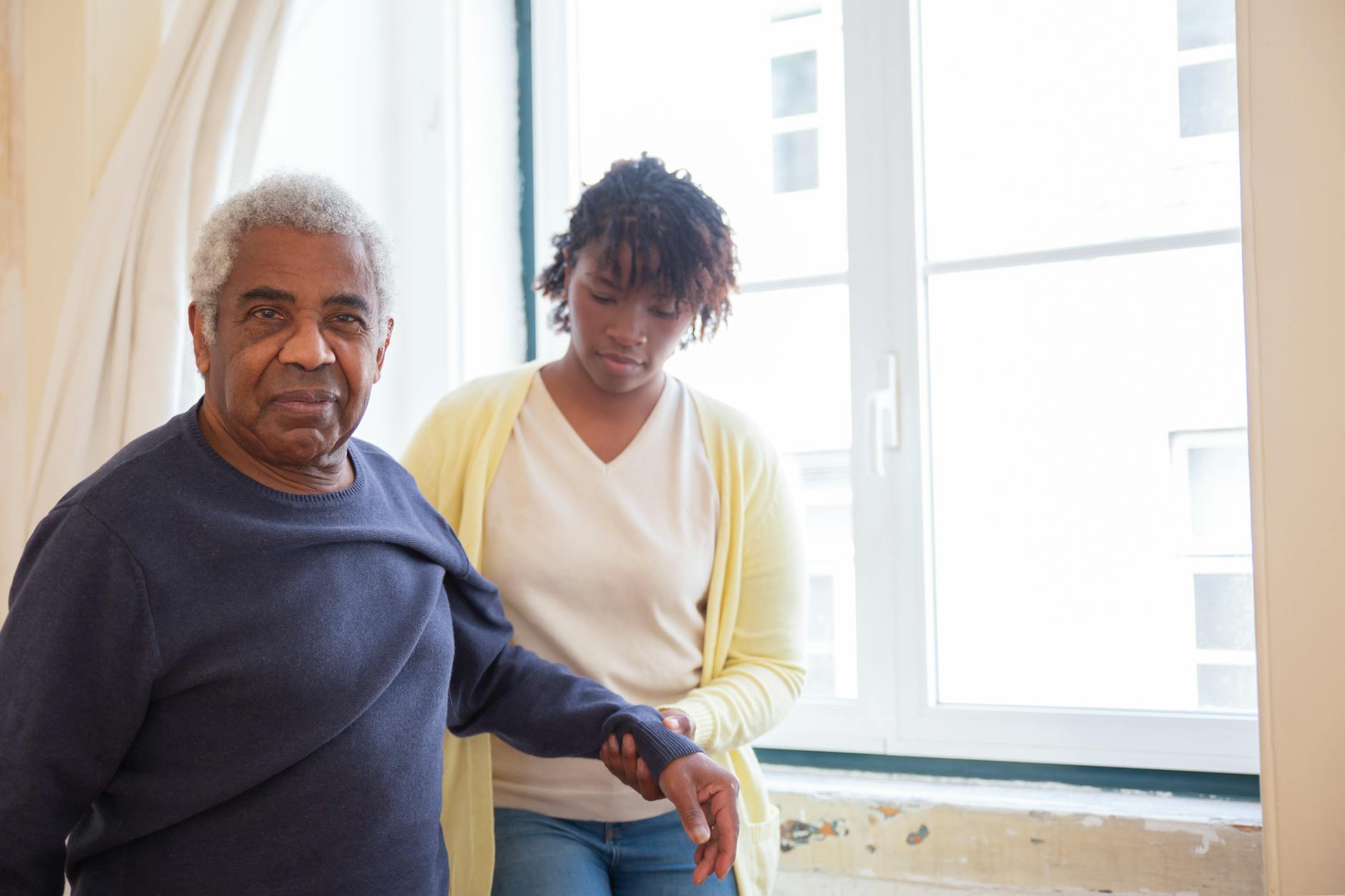
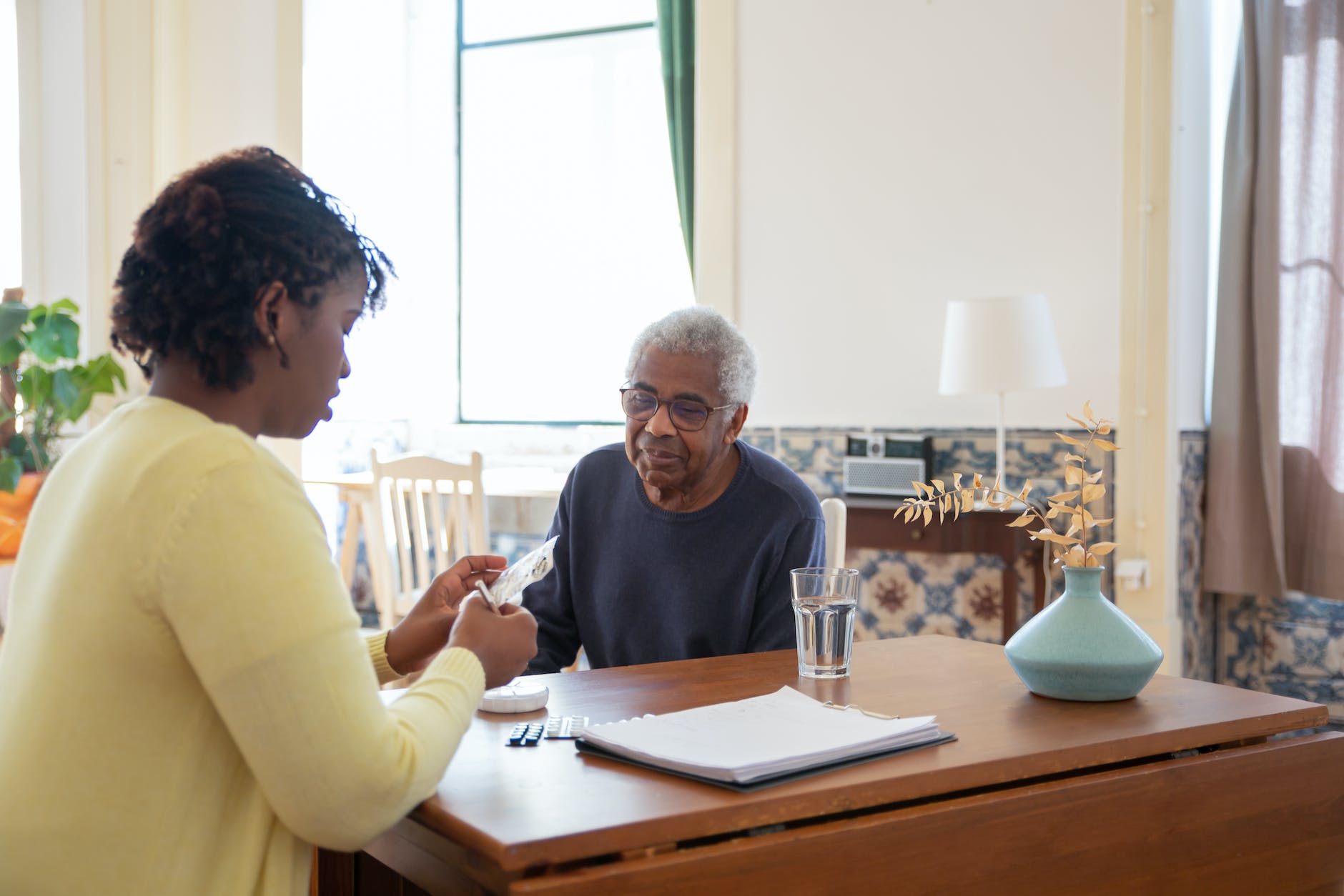
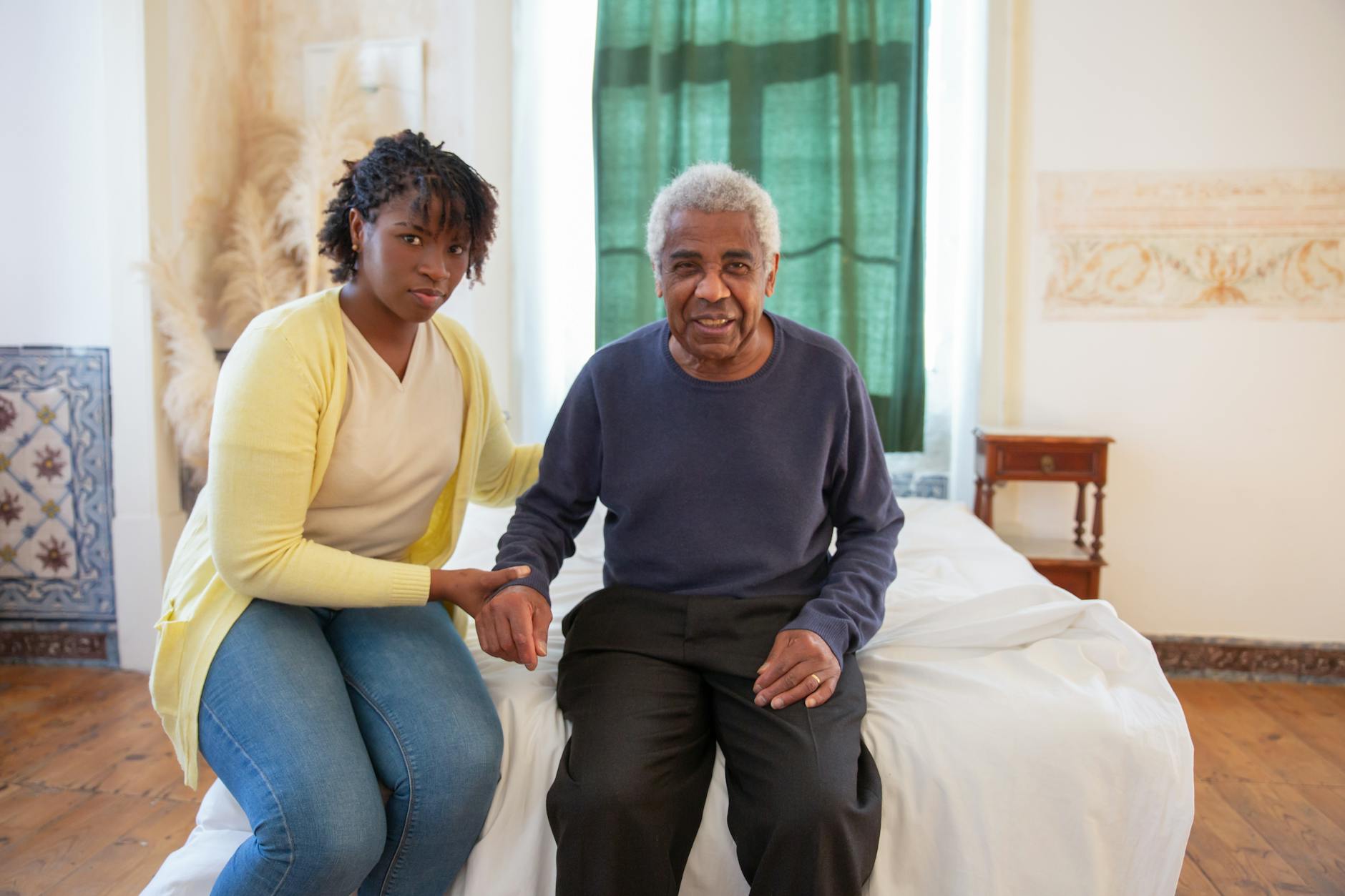
In the grand orchestra of life, their instruments are often silent, their melodies subtle, yet their impact resonates through the ages. They are the caregivers, the quiet warriors who stand beside us, holding hands and whispering encouragement through life’s storms. Today, we raise our voices in appreciation, singing a hymn to their unwavering dedication.

Caregivers are not defined by a title or a profession. They are mothers and fathers, daughters and sons, spouses and friends, neighbors and strangers. They are the lighthouse keepers in the storms of illness, the steady hands guiding through darkness, the unwavering hearts offering solace in despair.

Their days are rarely filled with applause or accolades. They rise before dawn, their bodies heavy with the weight of responsibility, yet their spirits kindled by a love that knows no bounds. They bathe, feed, and comfort, offering not just physical care but also emotional support, a listening ear, and a quiet strength that whispers, “You are not alone.”

Their nights are often fragmented, punctuated by the cries of need, the anxieties of their loved ones mirrored in their own hearts. Yet, they rise again, fueled by an unwavering dedication, their exhaustion a badge of honor worn silently, their love a shield against fatigue.

Caregivers are witnesses to the fragility of life, the bittersweet dance of joy and sorrow. They hold hands with those who walk through the valley of the shadow, their presence a beacon in the darkness, their love a testament to the enduring power of the human spirit.

But caregivers are not just givers; they are also receivers. They receive the love and gratitude that shines through the eyes of their loved ones, the unspoken words that speak volumes of appreciation. They receive the strength that comes from knowing they are making a difference, that they are weaving threads of hope into the lives they touch.

So, today, let us pause and celebrate these unsung heroes. Let us acknowledge the sacrifices they make, the burdens they carry, and the love they pour out so generously. Let us offer our thanks, our support, and our understanding, for they are the silent anchors in our lives, the quiet heroes who remind us of the true meaning of love and compassion.

This hymn is for them, the unsung heroes who walk beside us, reminding us that even in the darkest hours, the human spirit can shine brightly. Thank you, caregivers. You are the light that guides us through life’s journey.

Resources

Find support through these organizations

The National Alliance for Caregiving https://www.caregiving.org

Family Caregiver Alliance: National Center on Caregiving https://www.healthinaging.org/tools-and-tips/family-caregiver-alliance-national-center-caregiving

National Family Caregivers Association https://caringcommunity.org/resources/models-research/national-family-caregivers-association-nfca/

American Caregiver Association https://americancaregiverassociation.org/

Pancreatic Cancer: Early Detection, Symptoms, Diagnosis, Treatment, and Progress

November is Pancreatic Cancer Awareness Month, and out comes the bullhorn as I take this opportunity to be a part of the campaign. True to form, like a broken record, I share my very personal experience with the disease. It was summer, August of 2018, three days after his birthday, my brother was diagnosed with pancreatic cancer. Four weeks and four days later, he was gone.

So, what is pancreatic cancer? Pancreatic cancer is a cancer that starts in the pancreas, a gland that produces digestive enzymes and hormones. It is one of the most aggressive and deadly cancers, with a five-year survival rate of just 10%. However, early detection can improve survival rates significantly.

Early Detection

There is no specific screening test for pancreatic cancer, but there are some things that people can do to increase their chances of early detection, such as:

  • Knowing their risk factors for pancreatic cancer, which include smoking, obesity, and diabetes.
  • Being aware of the symptoms of pancreatic cancer, such as jaundice (yellowing of the skin and eyes), abdominal pain, unexplained weight loss, and back pain.
  • Seeing a doctor regularly for checkups.

Symptoms

The symptoms of pancreatic cancer can be vague and often mimic other conditions, such as gastritis or pancreatitis. This can make it difficult to diagnose early on. However, some of the most common symptoms of pancreatic cancer include:

  • Jaundice
  • Abdominal pain
  • Unexplained weight loss
  • Back pain
  • Nausea and vomiting
  • Difficulty swallowing
  • Fatigue
  • Dark urine
  • Light-colored stools

If you experience any of these symptoms, it is important to see a doctor right away.

Diagnosis

If a doctor suspects that you may have pancreatic cancer, they will likely order a number of tests, including blood tests, imaging tests, and a biopsy.

  • Blood tests can check for elevated levels of certain tumor markers, which can be a sign of pancreatic cancer.
  • Imaging tests, such as CT scans and MRIs, can create pictures of the pancreas and surrounding organs. This can help doctors to locate any tumors and assess their size and location.
  • A biopsy is a procedure in which a small sample of tissue is removed from the pancreas and examined under a microscope for cancer cells.

Treatment Options

The treatment options for pancreatic cancer depend on the stage of the cancer, the patient’s overall health, and their personal preferences. Some of the most common treatment options include:

  • Surgery is the only curative treatment for pancreatic cancer. However, not all tumors are resectable (meaning that they can be safely removed).
  • Chemotherapy uses drugs to kill cancer cells. It can be used before or after surgery, or as a standalone treatment for patients who are not eligible for surgery.
  • Radiation therapy uses high-energy beams to kill cancer cells. It can be used before or after surgery, or as a standalone treatment for patients who are not eligible for surgery.

Progress in Research

There has been significant progress in pancreatic cancer research in recent years. For example, scientists have identified new genetic markers that can help to diagnose pancreatic cancer earlier. They have also developed new drugs and treatment strategies that are showing promise in clinical trials.

Targeted therapy drugs target specific molecules that are involved in the growth and survival of cancer cells. This type of therapy is often more effective and has fewer side effects than traditional chemotherapy drugs. Furthermore, immunotherapy drugs help the body’s own immune system fight cancer cells. Immunotherapy is a relatively new type of treatment for pancreatic cancer, but it has shown promising results in clinical trials.

Resources for Patients and Families

There are a number of resources available to support patients with pancreatic cancer and their families. Some of these resources include:

  • Pancreatic Cancer Action Network (PanCAN): PanCAN is a national organization that provides support and information to patients with pancreatic cancer and their families. PanCAN also advocates for increased research funding and awareness of pancreatic cancer https://pancan.org/
  • American Cancer Society: The American Cancer Society provides a variety of resources to patients with cancer and their families, including information about cancer, treatment options, and support services https://www.cancer.org/
  • National Institute of Cancer (NCI): The NCI is a division of the National Institutes of Health that provides information and resources about cancer research and prevention https://www.cancer.gov/

Pancreatic cancer is a challenging disease, but there is hope. With early detection and treatment, more and more people are surviving pancreatic cancer. Cheers to the survivors. Prayers of hope for those who are diagnosed and are currently in treatment. Prayers of comfort for the families who have lost a loved one.

The Guilt of Being A Caregiver to Someone You Should Love

It can be difficult caring for a loved one who is ill – more so when the loved one shows no love

I never thought of myself as a caregiver. I just knew that I had to be there to take care of my mother. She was going through a rough time facing lung cancer, it was rough for the both of us. I am mixed with emotions. My mother and I did not have a good relationship. She was a mean woman who yelled at me as long as I can remember for just about everything. Here I am dropping everything, canceling plans with my friends, spending time with a woman who rarely showed me any love. I’m still not sure that she even loves me. I am taking her to her doctors appointments, helping her to get dressed and undressed, making sure that she has her favorite foods, spending time with her and she is still nasty and mean. She is never satisfied. She is always complaining. She wants a cigarette, I say no and she calls me an evil bitch.

My life is now filled with resentment, I want to walk away. I want to leave her, for her to see what it is like to be alone with no one there to deal with her misery. I resent that my friends try to empathize with her, suggesting that it’s because of her illness. No, it is not. If she was a nice person when I was a kid then I would understand that might be the case, but she’s such a nasty person before lung cancer. 

One night, the phone rang. I noticed that it was my mother calling, I looked at it while it rang. I am trying to decide whether I should answer her call. I am so angry at her for needing me. 

Lia Y

Caregiver

excerpt from upcoming book The Day That Changed My Life – Cancer an uncertain journey

Truth Be Told

The Truth Be Told series will highlight the stories of those who are sharing their challenges with cancer. It is a candid look into each person’s journey – from the cancer patient, survivor, caregiver, partner or friend – it will give an insight that many are reluctant to share.

Her Truth!

I am not feeling pretty. I look in the mirror and I see a stranger. I am looking at a woman who once smiled every time she saw her reflection. Today I cried. I looked at myself and I felt pity on the shell of a woman who once was happy, living life on her terms, catching up with friends, traveling and dining, dancing and doing just about anything she wanted to but now she’s a stranger. Living in a world of fear. 

Looking in the mirror I see a shell. I want to look beautiful again. I want to smile again. I am looking for ways to give me some sort of semblance to get a glimpse of who I used to be. Will it be a new lipstick? A wig? A new outfit? 

I need to find something to get me through this state of unfamiliarity – a strange land. I am looking for a makeover. I need to feel like me again.

Sunsyré D

Breast Cancer 

Can you relate? Cancer can take a toll on one’s physical appearance which adds to the stress of the journey for both women and men. It is important to remember – while each journey is unique, we all share a common theme – cancer changes our lives forever ~DawnKA

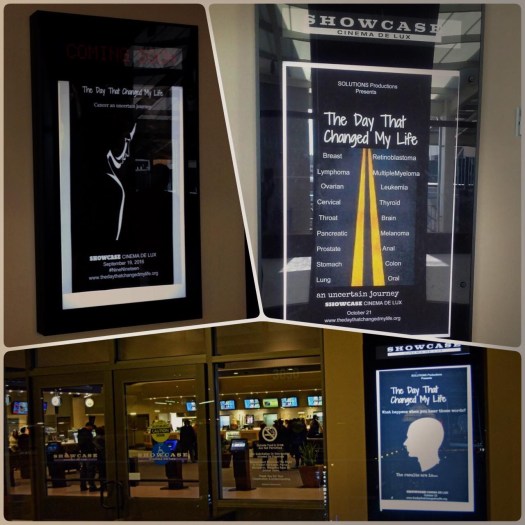
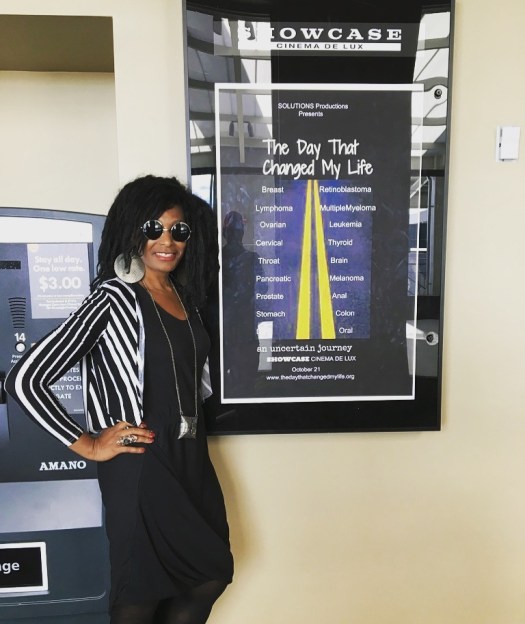
The Day That Changed My Life – Documentary Tour

After losing my brother to cancer 4 weeks and 4 days from his diagnosis date, I am on a mission to get cancer awareness out to the communities with a special emphasis on the underserved population. The goal is to have cancer screenings of the documentary as well as a book tour to discuss the importance of prevention, early detection, paying attention to the signals and symptoms that our bodies often sends us, knowing our health history and more.

The documentary The Day That Changed My Life – cancer an uncertain journey is an exploration into the lives of those who have been touched by cancer. It is a moving, inspiring and uplifting journey and has had multiple showings in the theater. Hear the stories from the perspective of the parents, the children, the best friend, the clergy, the healthcare team and most importantly – the cancer patient.

The book tour may be separate and it will be similar to the screenings as it will not only be held at a typical book store, but libraries, cancer support groups, college campuses – specifically targeting social workers, psychology and health professional students, church health ministry departments, book clubs, etc. The books can be made available at the screenings as well.

Please let me know if you are interested and open to joining me on my mission by hosting a viewing or book discussion. Moving forward with bringing cancer awareness in 2019. Are you on board?

The Day That Changed My Life Documentary
http://www.thedaythatchangedmylife.org/