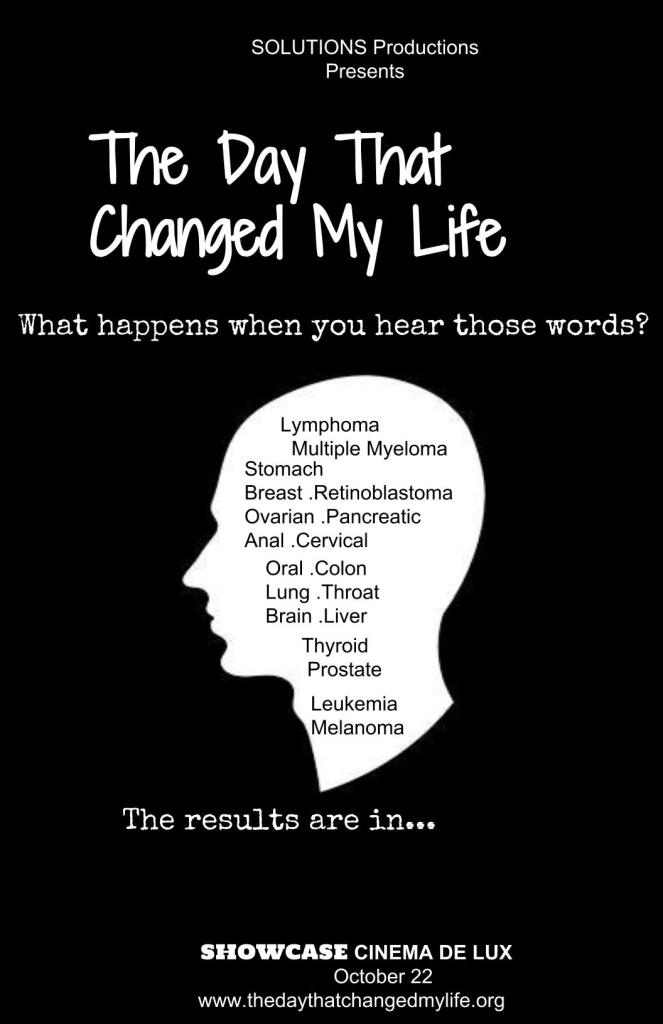
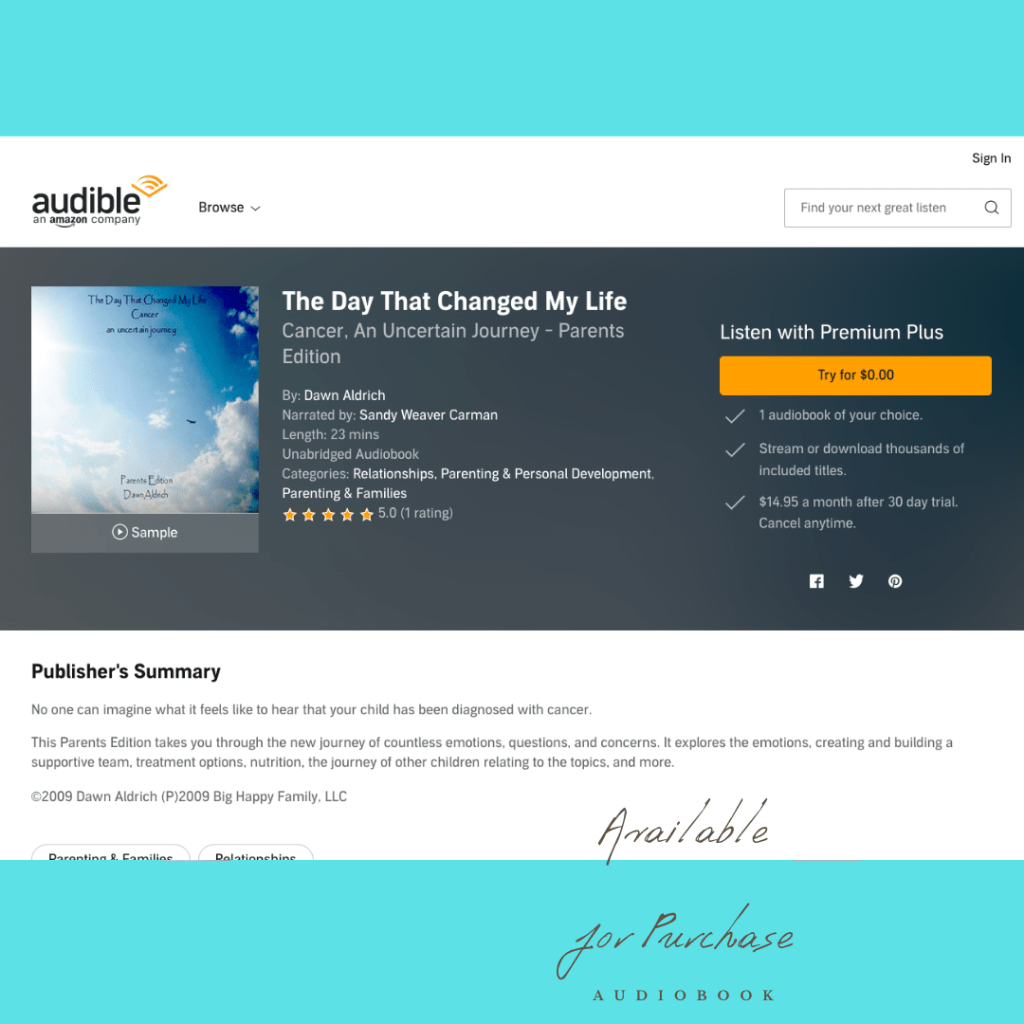
“The Day That Changed My Life: Cancer – An Uncertain Journey” offers a raw and honest portrayal of the challenges and triumphs faced by individuals battling cancer. Available on Amazon Prime and Audible as the live theatrical play, documentary, and audiobooks. These compelling narratives provide a deeply personal perspective on the emotional, physical, and psychological impact of this disease.
Through a powerful blend of storytelling and multimedia, this production explores the complexities of a cancer diagnosis, the arduous journey of treatment, and the enduring hope that sustains patients and their loved ones. By sharing personal experiences and insights, hearing from the parents whose child has been diagnosed with cancer, the wife breaking the news to her husband, the best friends, and how it impacts the clergy – the creators of this project aim to raise awareness, provide support, and inspire others facing similar challenges.
Whether you’re a cancer survivor, caregiver, or simply someone seeking inspiration, “The Day That Changed My Life: Cancer – An Uncertain Journey” offers a poignant and thought-provoking exploration of the human spirit in the face of adversity.
Consider hosting a watch party with friends and family to discuss the story and its impact. You could also join or start a support group to connect with others who have been affected by cancer.
By sharing this story, we can raise awareness, break down stigma, and offer support to those navigating the challenges of cancer.
Life, it seems, is a relentless teacher. Over the years, the lessons etched into my soul have not come from textbooks, but from the raw experiences of serving within my community. My journey began with a fervent mission – to educate about the importance of early detection through cancer screenings and preventive measures. Countless workshops, community forums, and one-on-one conversations fueled my belief that knowledge was power in the fight against this relentless disease.
Yet, a stark reality emerged. Most encounters were with those already facing the storm, diagnosed with cancer, often at an advanced stage. This realization stung. The very people I aimed to empower were coming in when options dwindled. It ignited a new passion within me – to be the steadfast presence for families navigating the treacherous waters of diagnosis, treatment, and hospitalization.
My role is being the expert, the advocate, the one who deciphered medical jargon and guided through baffling bureaucratic hurdles. Yet, the weight of that role became painfully evident when my brother succumbed to cancer just four weeks and four days after his diagnosis. The feeling of failure, the helplessness, lingers to this day.
But grief, it turned out, was not the endpoint. Instead, it fueled a fierce determination in my approach to my sister, burdened by the same family history. Here, vigilance became my mantra. Early detection, constant monitoring, a proactive approach – these became the cornerstones of our fight. This journey emphasized the importance of empowering patients and families to be active participants in their own healthcare. It is not just about information; it is about ownership, about feeling heard and understood.
Despite advancements in research and treatment, the harsh truth remains – minority communities grapple with disproportionately high cancer mortality rates. This disparity is unacceptable. My voice echoes not only within the community, but also in the halls of research institutions and government offices. I am a bridge between the battlefield of disease and the architects of solutions. I advocate for affordable, accessible healthcare, for increased funding for research, and for a system that truly serves the needs of all.
The lessons continue to unfold. Serving my community isn’t just about offering knowledge or navigating the healthcare system. It’s about advocating for change, for a world where early detection truly empowers, where the advancements in research touch all lives, not just some. This is the fire that burns within me, a fire that compels me to be the voice for those who have not found theirs, a voice echoing in the halls of power and whispering alongside patients as they chart their course.
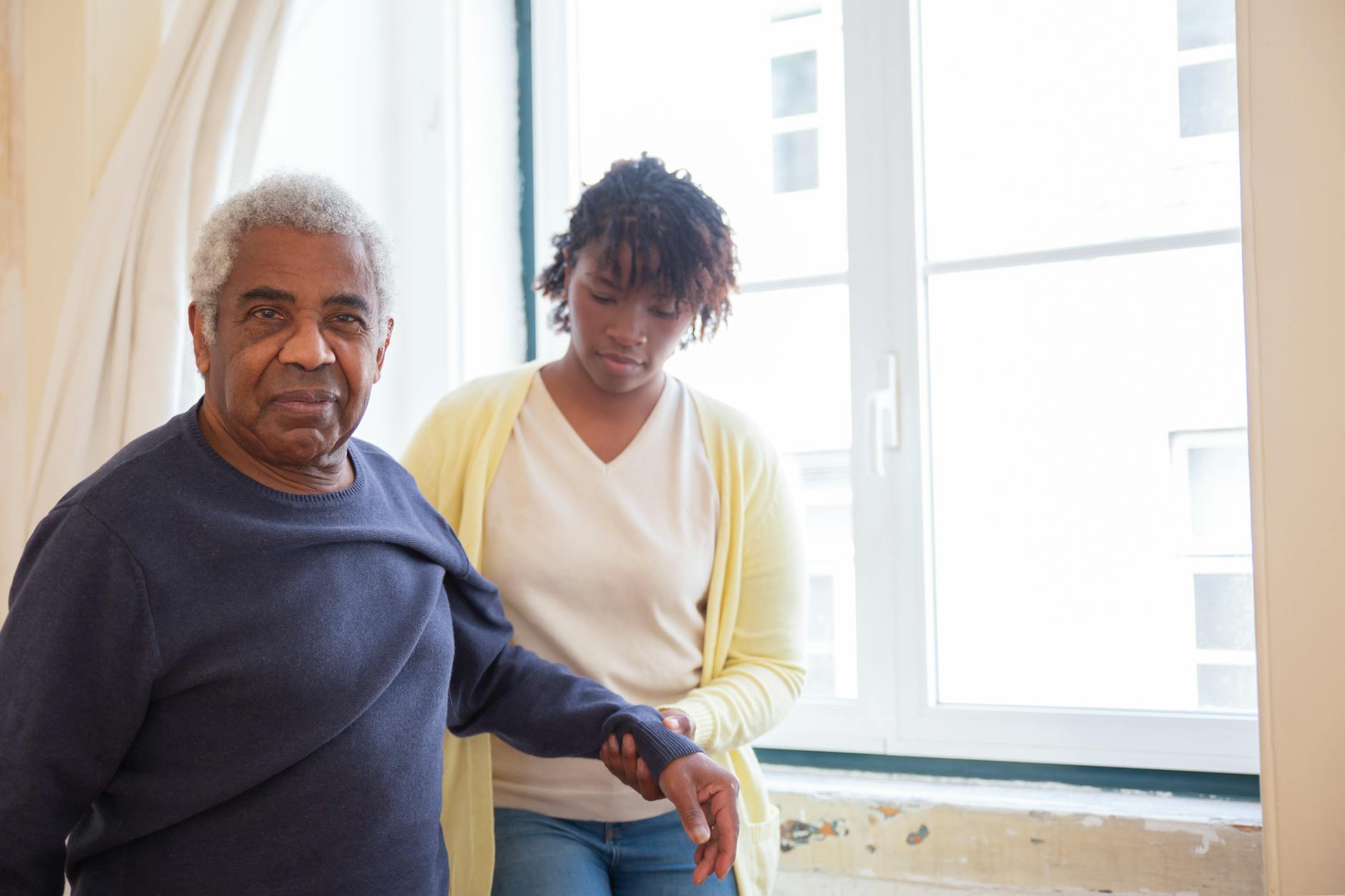
In the grand orchestra of life, their instruments are often silent, their melodies subtle, yet their impact resonates through the ages. They are the caregivers, the quiet warriors who stand beside us, holding hands and whispering encouragement through life’s storms. Today, we raise our voices in appreciation, singing a hymn to their unwavering dedication.
Caregivers are not defined by a title or a profession. They are mothers and fathers, daughters and sons, spouses and friends, neighbors and strangers. They are the lighthouse keepers in the storms of illness, the steady hands guiding through darkness, the unwavering hearts offering solace in despair.
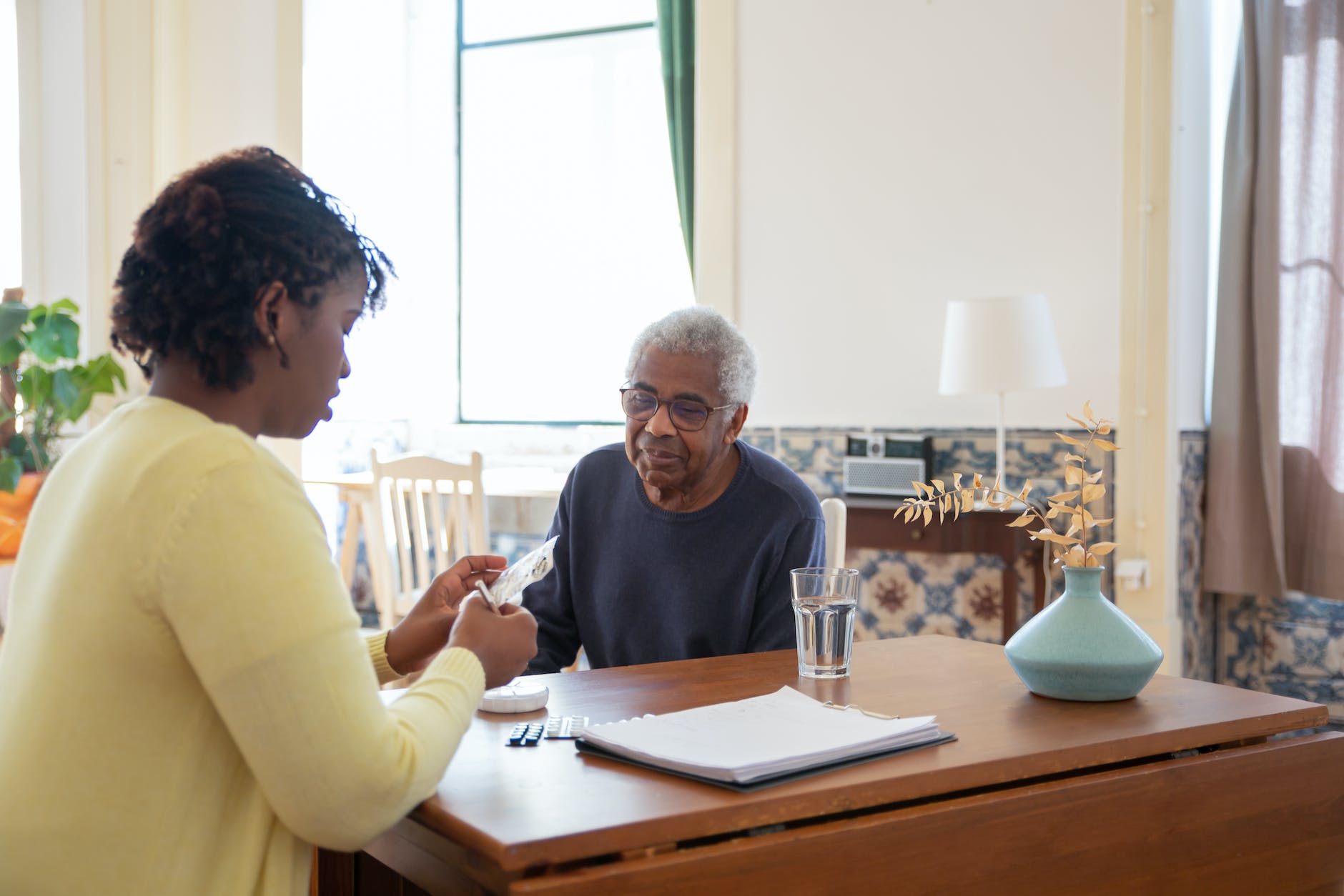
Their days are rarely filled with applause or accolades. They rise before dawn, their bodies heavy with the weight of responsibility, yet their spirits kindled by a love that knows no bounds. They bathe, feed, and comfort, offering not just physical care but also emotional support, a listening ear, and a quiet strength that whispers, “You are not alone.”
Their nights are often fragmented, punctuated by the cries of need, the anxieties of their loved ones mirrored in their own hearts. Yet, they rise again, fueled by an unwavering dedication, their exhaustion a badge of honor worn silently, their love a shield against fatigue.
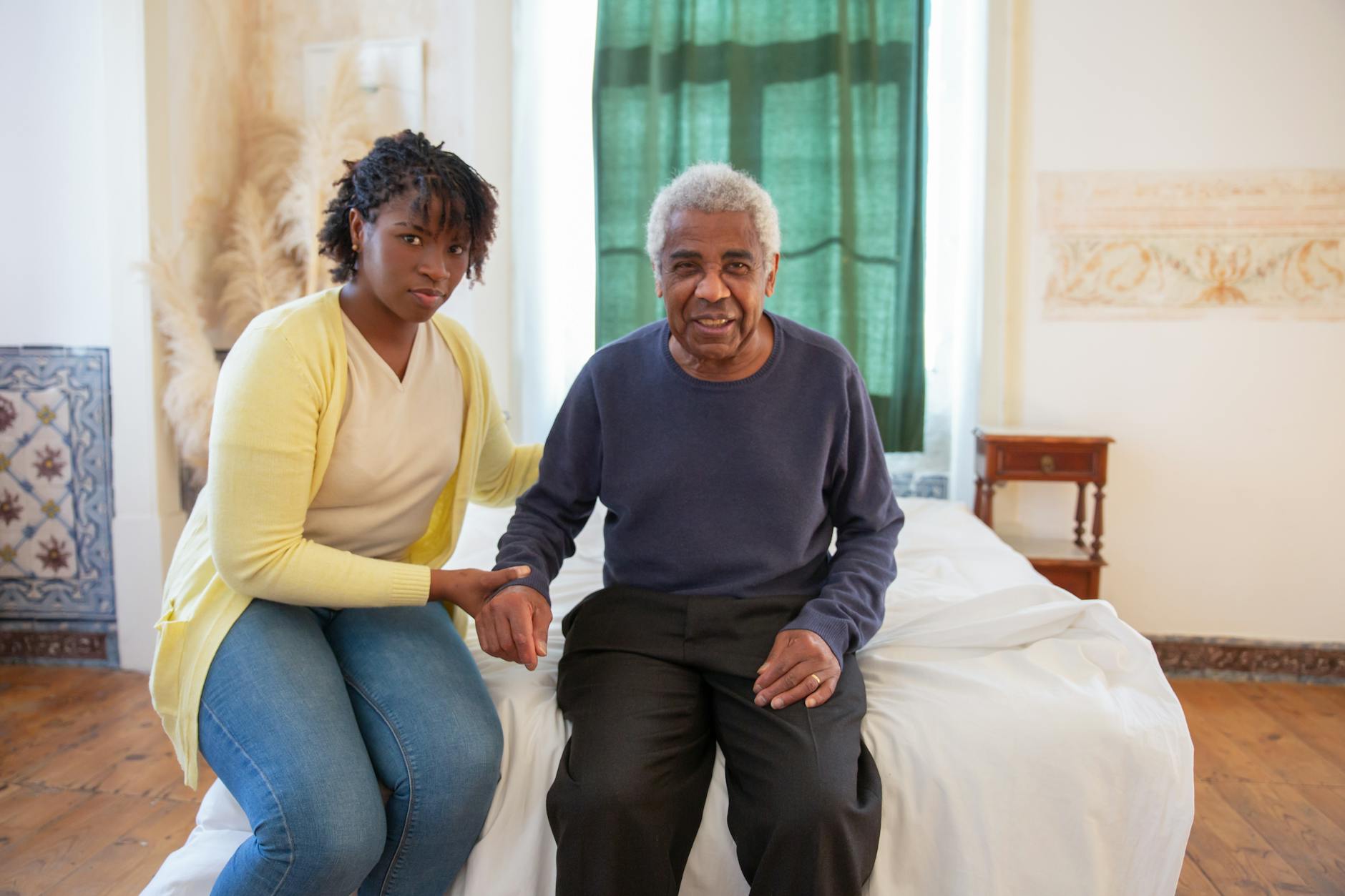
Caregivers are witnesses to the fragility of life, the bittersweet dance of joy and sorrow. They hold hands with those who walk through the valley of the shadow, their presence a beacon in the darkness, their love a testament to the enduring power of the human spirit.
But caregivers are not just givers; they are also receivers. They receive the love and gratitude that shines through the eyes of their loved ones, the unspoken words that speak volumes of appreciation. They receive the strength that comes from knowing they are making a difference, that they are weaving threads of hope into the lives they touch.
So, today, let us pause and celebrate these unsung heroes. Let us acknowledge the sacrifices they make, the burdens they carry, and the love they pour out so generously. Let us offer our thanks, our support, and our understanding, for they are the silent anchors in our lives, the quiet heroes who remind us of the true meaning of love and compassion.
This hymn is for them, the unsung heroes who walk beside us, reminding us that even in the darkest hours, the human spirit can shine brightly. Thank you, caregivers. You are the light that guides us through life’s journey.
The Right to Die is a controversial topic that has been debated for many years. There are many different opinions on this issue, and it is important to consider all of the challenges, controversies, and benefits before making a decision. It may be referred as death with dignity, or assisted suicide.
One of the main challenges of the Right to Die is that it can be difficult to determine when a person is truly ready to die. Some people may feel like they are ready to die when they are in pain or when they are no longer able to live independently. However, others may feel like they are ready to die when they are simply tired of living. It is important to make sure that a person is truly ready to die before they make a decision to end their life and thankfully, there are systems in place to ensure that the individual patient is well informed and has received the proper counseling.
Another challenge of the Right to Die is that it can be difficult to ensure that a person’s wishes are carried out. If a person decides to end their life, they may want to make sure that their family and friends are aware of their decision. They may also want to make sure that their doctors are aware of their decision so that they can provide them with the necessary assistance. However, it is not always possible to ensure that a person’s wishes are carried out.
The Right to Die is also controversial because it can be seen as a form of suicide. Suicide is a serious issue, and it is important to make sure that people who are considering suicide are getting the help they need. However, it is important to remember that the Right to Die is not the same as suicide. The Right to Die is a decision that a person makes about their own life, and it is not something that is forced upon them. The individual is weighing what they consider is best for them in their own journey through life – all the way to the end.
As of March 8, 2023, physician-assisted suicide is legal in 11 US states and the District of Columbia. These states are:
California
Colorado
District of Columbia
Hawaii
Maine
Montana
New Jersey
New Mexico
Oregon
Vermont
Washington
In addition to these states, physician-assisted suicide is also legal in the Netherlands, Belgium, Luxembourg, Switzerland, Canada, and several countries in South America and Europe.
The laws governing physician-assisted suicide vary from state to state and may be monitored by a nurse as the patient takes the medication on their own. In general, however, patients must be mentally competent, terminally ill, and have a prognosis of six months or less to live. They must also request physician-assisted suicide on two separate occasions, at least 15 days apart.
Physician-assisted suicide is a controversial issue, and there are strong arguments both for and against it. Those who support physician-assisted suicide argue that it gives terminally ill patients the right to control their own death and to die with dignity. They also argue that it can help to alleviate suffering and that it can be a more humane alternative to prolonged illness and death.
Those who oppose physician-assisted suicide argue that it is morally wrong to help someone to kill themselves. They also argue that it can lead to abuse, and that it can send the message that life is not worth living if it is not free of pain and suffering.
The right to die is a complex issue with many challenges, controversies, and benefits. Some of the challenges include:
Defining what constitutes “dying.” What does it mean to be “dying”? Some people believe that only people who are terminally ill should have the right to die, while others believe that anyone who is suffering should have the right to end their life.
Determining who should be able to make the decision to die. Should the decision to die be made by the individual, by their family, or by a doctor?
Ensuring that people who choose to die are not pressured into doing so. There is a risk that people who are terminally ill or who are suffering from mental illness may feel pressured into ending their lives, even if they do not truly want to die.
Providing support for people who choose to die and their loved ones. People who choose to die and their loved ones may need support in dealing with the emotional and practical challenges of dying.
Some of the controversies surrounding the right to die include:
The role of religion. Some religions believe that suicide is a sin and that people who die by suicide will not go to heaven. Others believe that God gives people the right to choose to die and that God will not judge them for doing so.
The role of the government. Some people believe that the government should not interfere with people’s right to die, while others believe that the government should regulate the practice of assisted suicide.
The role of doctors. Some doctors believe that they should not be involved in helping people to die, while others believe that they have a duty to help patients who are suffering.
Some of the benefits of the right to die include:
Giving people control over their own deaths. People who choose to die can do so in a way that is meaningful to them. They can also avoid the pain and suffering that comes with a terminal illness.
Relieving the burden on loved ones. People who choose to die can relieve the burden on their loved ones of caring for them. This can be especially helpful for families who are struggling financially or emotionally.
Providing peace of mind. People who choose to die can provide peace of mind for themselves and for their loved ones. They can know that they are in control of their own deaths and that they will not have to suffer needlessly.
People who are terminally ill or who are suffering from a debilitating condition may want to end their lives so that they can die on their own terms and alleviate the long suffering as their family and friends gather around for visits. The patient is already overwhelmed with the process of dying and struggling with the idea of being a burden. The Right to Die can also give people the peace of mind knowing that they have the option to end their lives if they choose.
Above all, have compassion for those who are making those difficult decisions. Be grateful and hopeful that you nor your loved ones would ever have to consider such a life altering option.
At this point, the years are swiftly coming and leaving us to figure out where it went and how we can ensure that this year we will be able to maximize our time. While some may make resolutions, list their goals and create vision boards, which by the way I have certainly done, I have adjusted to working on my goals until they are completed.
Photo by Arina Krasnikova
Here is a list of things that we should all do this year –
Take care of your health and well-being – schedule your doctor’s visits, get a complete physical, discuss the screenings that you may need with your doctor, keep track of your diet and exercise.
Make moments matter – read a book, watch a movie, sit in silence for 5 minutes, revisit that hobby, listen to your favorite music, learn a new language, call a family member, friend or an elderly person that you know just to say hello.
Meditate and pray daily – the benefits of meditation and prayer are priceless.
Keep a journal, jot down your thoughts and ideas as they come. No pressure to write daily. However, write it down whenever something comes to mind you do not want to lose it. You may not get to it right away but you can have a reminder in place when you look in your journal.
Be intentional – with all of our best intentions, in order for these things to happen, we will need to be intentional.
Cheers to the quote “If it is to be, it is up to me.” – William Johnsen
We have been married for eight years with three kids. This was my first marriage and Marks second marriage. Mark was diagnosed with prostate cancer. It was a hell of a time. Mark was scared but instead of talking about it he withdrew. There was often tension in the house. I took Mark to all of his appointments, he hardly spoke a word. I made sure that he had everything he wanted and still he never even said thanks. Mark became very cranky; the gentle soft spoken man that I had fallen in love with had become impatient especially with the kids. It felt as though he resented us being there and I knew I had to do something about it. It was not easy, as a matter of fact; I almost did not go through with it. One night when Mark was in his office, I went in and told him that we needed to talk. I told him that he needed to change his attitude especially with the kids. Mark just stared at me and then I had to take it a bit further. I told him that I did not know him anymore; he was not the same thoughtful, kind loving or gentle man. All we wanted to do was be there for him, we all loved him and were happy to be there and do whatever we could for him. I told him that he had become cranky and that he was pushing us away and if he did not change we will go away.
That night as we were in bed, Mark finally spoke. He told me that he was afraid. He was afraid of losing me, not being able to be there for me or the kids, he was afraid of dying.
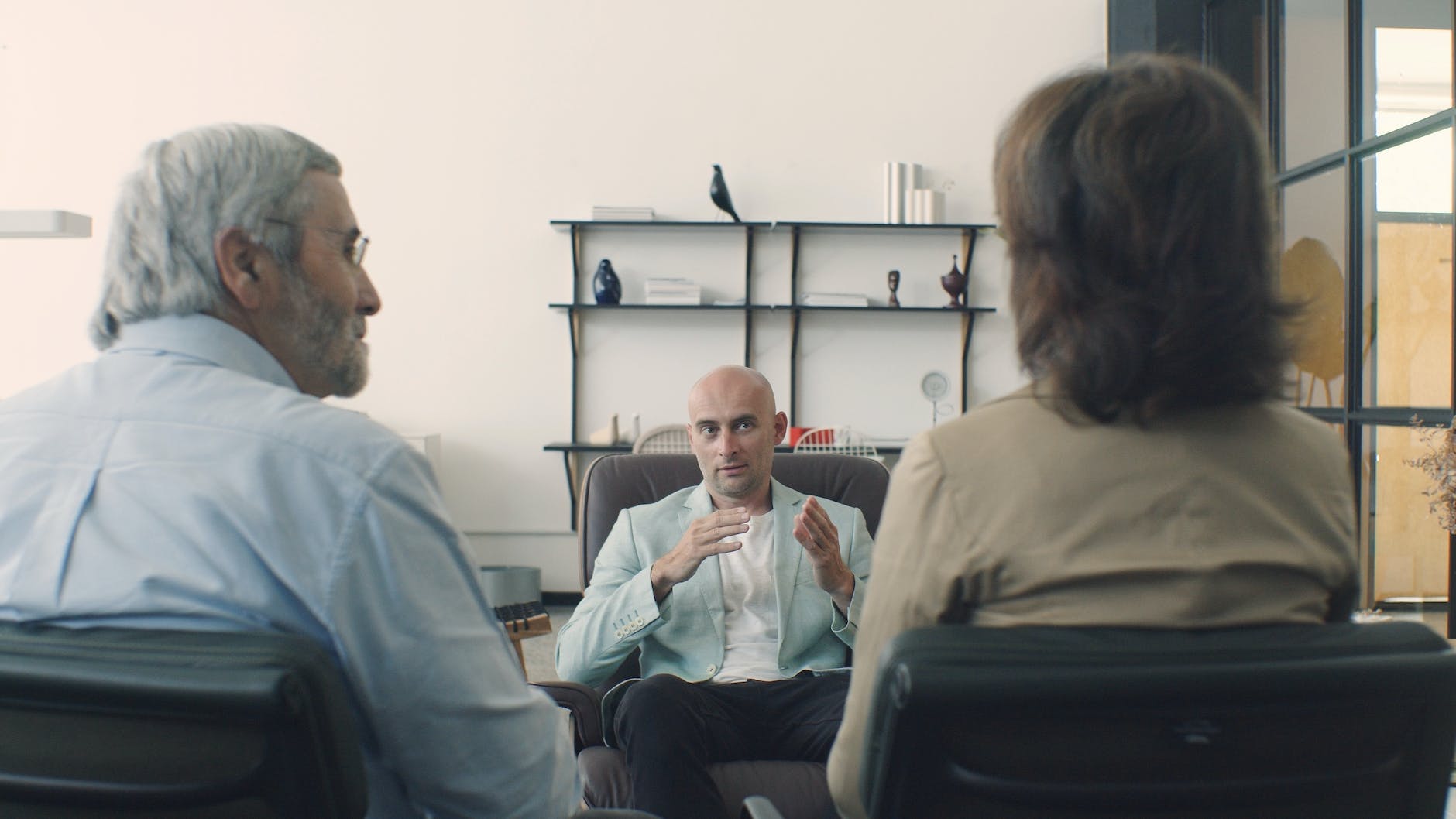
Sometimes it’s difficult to express or share how one is feeling. Couples have shared how tough it can be trying to be a part of the process knowing that he or she can never truly feel what their loved one is going through. In some cases, the spouse, lover or partner finds the diagnosis to be too much to handle and they leave. However, there are those who really want to be there through it all. Communication is very important. Find a counselor or a support group.
(An excerpt from the upcoming book The Day That Changed My Life – cancer an uncertain journey)
“Sometimes all we need to do is just talk about it; there’s comfort in knowing that you are not alone.”
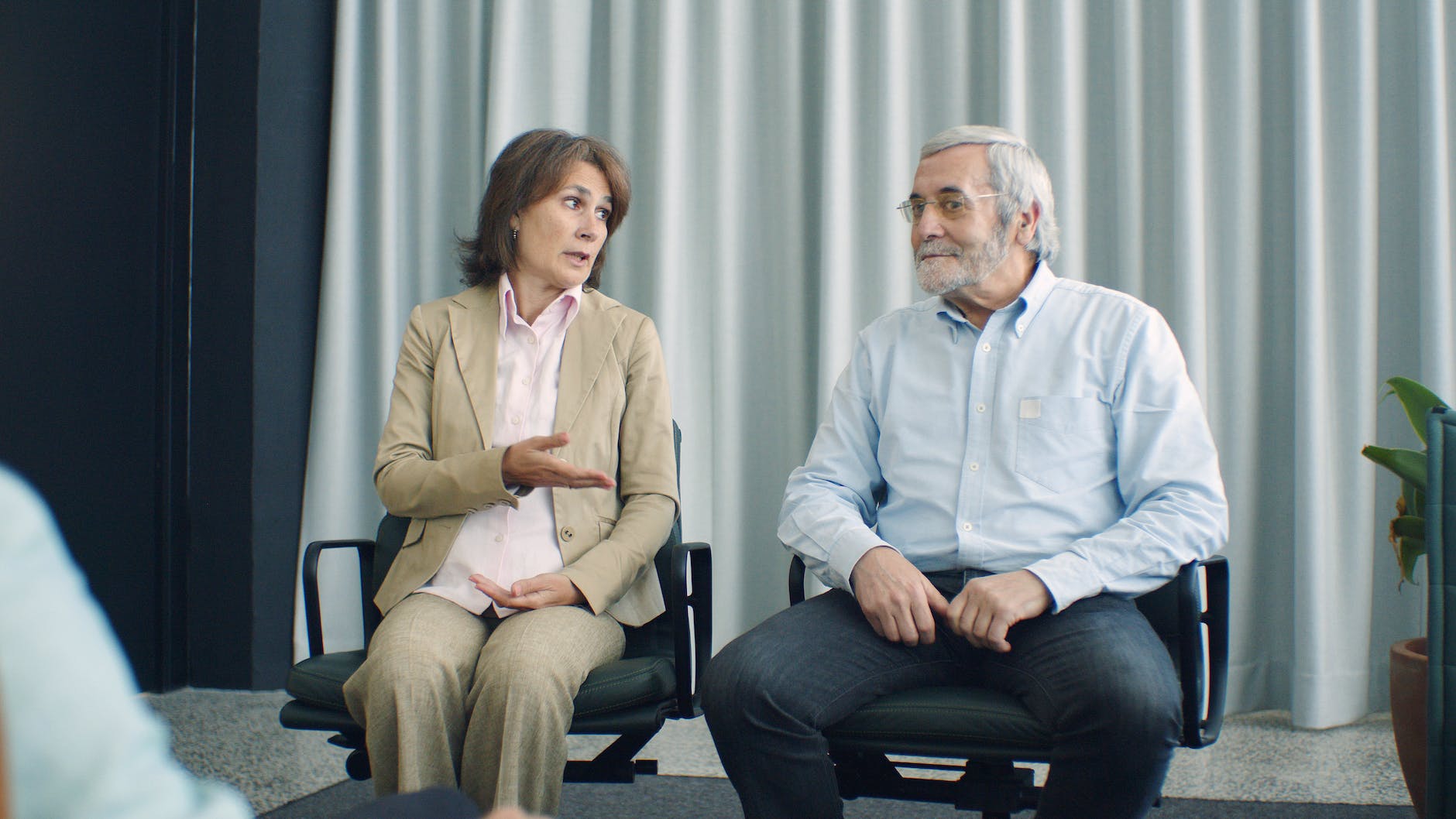
This Fall we will be kicking off a series of Conversations and Coffee. These sessions will be an hour of sitting with cancer patients, cancer survivors, caregivers and other supporters. We will explore the concerns and catch up on the latest medical breakthroughs, clinical trials, resources and more.
We have heard from many members of the cancer community who have expressed their interest in joining us on our sessions. It is so important to find a supportive environment. We can take a moment to listen, share and sip together. It is an hour of release.
We’re looking forward to our sessions, we are inviting everyone to come and sip with us and you can even bring your own coffee mug.









 SOLUTIONS Cancer Resource Center, Inc.