Every Step Counts: Early Detection Saves Lives in Colorectal Cancer

Photo by Anna Tarazevich

Today, I would like to share about a topic that may not be the most comfortable, but it’s undeniably important: Colorectal cancer, also known as colon cancer.

Cancer, in any form, is a daunting word. But unlike many cancers, colorectal cancer is highly treatable – especially when caught early. Early detection is truly our weapon of choice in this battle.

Let us begin with understanding or at least explaining what colon cancer is. It starts with polyps, small growths that form on the inner lining of the colon or rectum. While most polyps are benign, some can develop into cancer over time. That’s why screening is crucial.
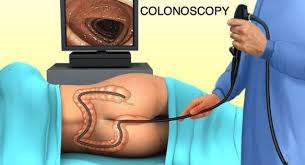
You may be wondering, what does the screening process looks like? There are several effective options, including colonoscopies, stool tests, and sigmoidoscopies. Each method has its advantages and disadvantages, so it’s important to talk to your doctor about the best option for you.

The American Cancer Society recommends starting regular screenings at age 45 for people at average risk. However, certain factors like family history or inflammatory bowel disease may necessitate earlier screenings.
Photo by Tara Winstead

While it doesn’t discriminate, African Americans are more likely to be diagnosed at a younger age and have higher mortality rates. Additionally, people with a family history of the disease are at an increased risk.

Colorectal cancer is the second leading cause of cancer deaths in the United States. However, there’s a silver lining. When detected early, the five-year survival rate for colorectal cancer is over 90%. Early detection truly makes a world of difference.

Imagine a loved one – a parent, a sibling, a friend. Early detection could be the difference between saying goodbye and celebrating many more years together.

The Point Is….

  • Know your risk factors. Talk to your doctor about your family history and any personal health concerns.
  • Don’t ignore symptoms. While some people may not have any symptoms initially, persistent changes in bowel habits, unexplained weight loss, or rectal bleeding can be red flags.
  • Schedule your screening. Don’t let fear or embarrassment stand in the way. This simple step could save your life.
  • Spread the word. Talk to your family and friends about the importance of colorectal cancer awareness and early detection.

We all have a role to play in being vigilant as it relates to our health and well-being. By taking action, by getting screened, we can turn the tide on colorectal cancer. Let’s make every step count – together.


Young and Diagnosed with Colon Cancer

While the screening age was changed from 50 to 45 years old, the number of young adults with colon cancer are on the rise. There are many factors that may have contributed to the surge in cases of the younger generations. One can only imagine that diet and the lack of exercise along with other habits may be responsible as well. In fact, the projections indicate that colon cancer will be the leading cause of death for those ages 20 -49 by the year 2030 which is pretty close as time flies.

Unfortunately, in some cases of young adults with colon cancer – the process of being diagnosed takes much longer as they are often addressing the typical concerns that may be similar to the symptoms of crohn’s disease, irritable bowel syndrome, among other life altering diseases. It is important to know your family’s health history, however, it is also important to follow through with your doctor – share symptoms, inquire about screening. Early detection may save your life.

National Colorectal Cancer Awareness Month

Cancer that begins in the colon is called colon cancer. If the cancer is found in the rectum, it is called rectal cancer. However, cancer that is found in either of these areas are also called colorectal cancer. Colorectal cancer occurs when there are tiny growths/polyps of abnormal cells that lines the wall of the colon or rectum. The colon and rectum are both found in the large intestine. The symptoms may include bloody stool, abdominal pain, bleeding of the rectum or feeling tired due to anemia. Sadly in most cases, there are no symptoms.

Here’s the deal – colorectal cancer advances with age. In fact, colorectal cancer is the second leading cause of cancer related deaths within the United States. However, with screening and early detection – lives are saved. The recommended age for screening begins at 45 but if you have a family history with colorectal cancer you may want to discuss with your physician. Additionally, younger people are now being diagnosed with colorectal cancer, do not assume that you are too young, discuss all changes and symptoms with your doctor.

There are several forms of screening. You really need to engage in a discussion with your physician. Find out which test will work best for you. Many have heard of the ever intrusive and some call it the dreadful colonoscopy. Dare I say, it may be considered dreadful only because it is inserted in the anal cavity and there is a bit of pre-colonoscopy preparations that must be completed. However, it accomplishes a great deal in detecting any abnormalities within the colon/rectal area and you wont have to take the test for another 10 years.

Another option would be the flexible sigmoidoscopy which a thin flexible tube known as a sigmoidoscope that is inserted into the rectum. The sigmoidoscope has a small video camera at the tip of the tube and it records the sights of the colon up to 2 feet of the large intestine. A plus for this procedure would be the ability to take tissue samples for further tests through this method and it is recommended for screening every 5 years. On the other hand, the sigmoidoscopy cannot pick up areas further along in the colon.

The fecal occult blood test is non invasive and is given annually. There is no intrusive procedures all you have to do is to smear your stool on to the cloth, pad or card which is chemically treated. The goal is to look at the results for a change in the color. If it turns blue that indicates that there is blood in the stool. Now blood in the stool can be an alarm for concern. However, it may not be cancer related therefore further tests may be ordered.

A CT scan X-rays the internal organs to make detailed pictures; a dye may be used to highlight the areas of concern. The good old reliable enema is also an option – the double contrast barium enema uses air to expand the colon which aids for better images along with the barium.

Colon cancer is one that may be prevented with a healthy well balanced diet which includes foods rich in high fiber, vegetables, fruits and nuts. Exercise is key to maintaining a healthy weight. Avoid processed meats, red meats, drinking alcohol and smoking cigarettes. Nothing is ever certain but the old saying ‘an ounce of prevention is worth more than a pound of cure’ really fits well right here. March is the colorectal cancer awareness month perhaps it is time to march on over to your doctors office and discuss your options.