Are You SAD?

We recently entered the season where the daylight savings time has caused us to turn our clocks back an hour to adjust to the longer days without the sun, and in comes SAD. Seasonal Affective Disorder (SAD) is a type of depression that occurs seasonally, primarily during the fall and winter months. This condition can significantly impact a person’s mood, energy levels, and overall well-being. While the exact cause of SAD is not fully understood, it is believed to be linked to reduced exposure to sunlight and changes in the body’s internal clock.

Let’s take a good look at the symptoms

Symptoms of SAD can vary from mild to severe and may include:

  • Persistent feelings of sadness and hopelessness
  • Loss of interest in activities once enjoyed
  • Changes in appetite, often leading to weight gain
  • Fatigue and low energy levels
  • Difficulty concentrating
  • Sleep disturbances, such as insomnia or excessive sleepiness
  • Social withdrawal and irritability

How do we cope?
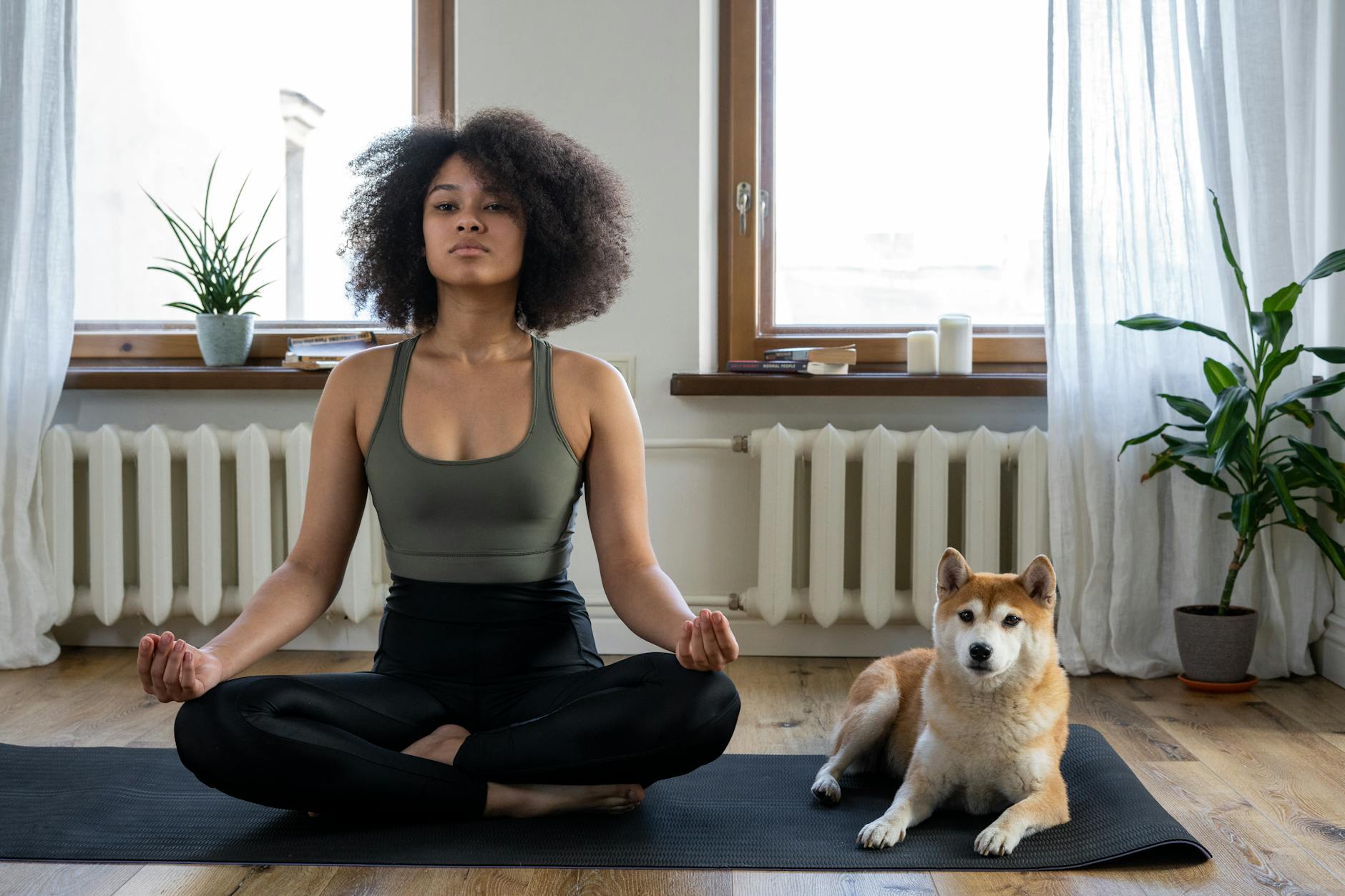
While SAD can be challenging, there are effective strategies to manage its symptoms. There is light therapy that can help regulate your body’s internal clock and improve your mood. Have you considered engaging in physical activity. Take a brisk walk, turn on YouTube find a yoga class – it has proven to boost your energy levels and reduce feelings of depression. In addition, practices like meditation, mindfulness, and deep breathing can help reduce stress and anxiety. Consider spending time with loved ones and participating in social activities can alleviate feelings of loneliness and isolation. The diet is also key, eating a balanced diet rich in fruits, vegetables, and whole grains can support your overall well-being.
However, if symptoms are severe, consider seeking professional help from a mental health professional. They can provide therapy, medication, or a combination of both to manage SAD effectively. The ultimate goal is to discover ways for individuals with SAD to improve their quality of life and navigate the challenges of the darker months.
Cancer, Depression and Faith

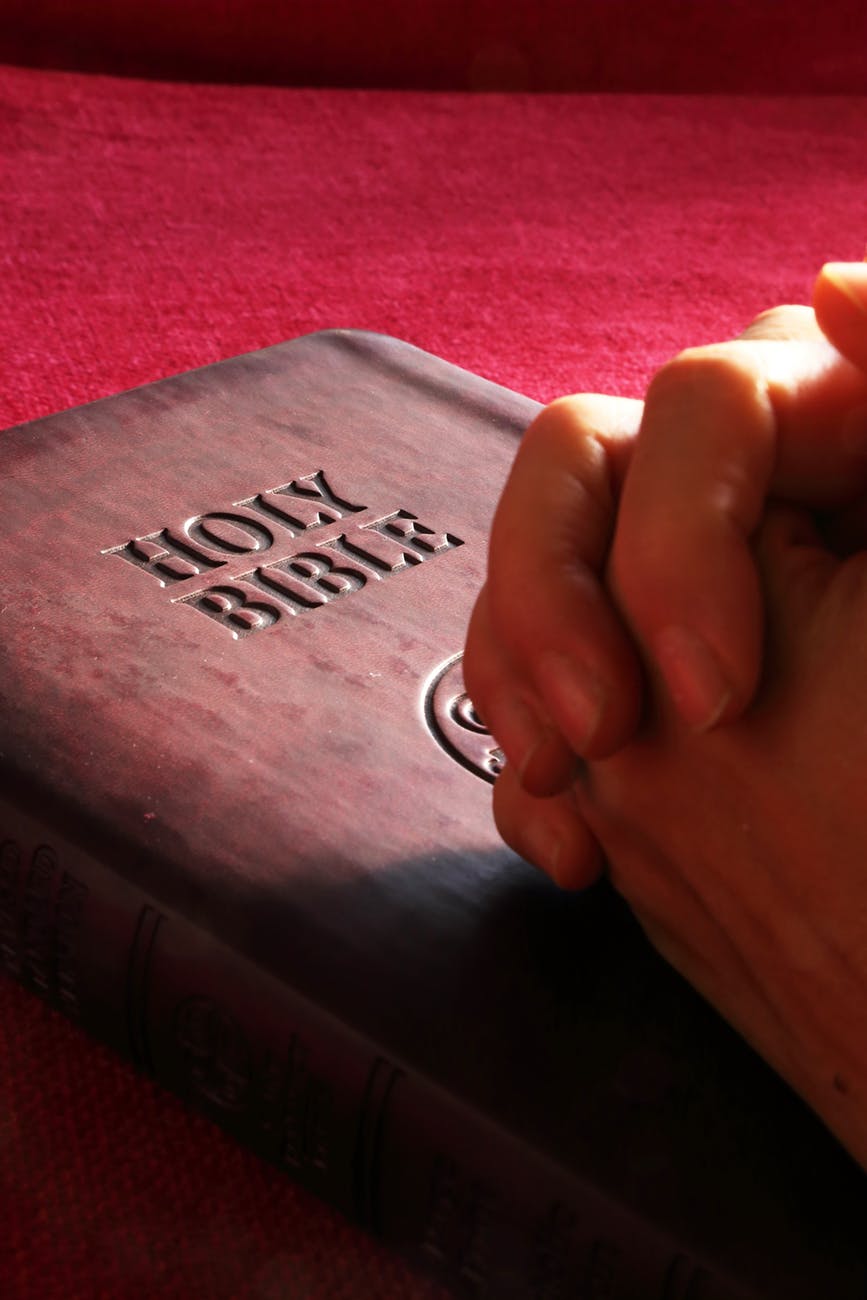
Is it possible to have faith and still be depressed?

Photo by Pixabay on Pexels.com

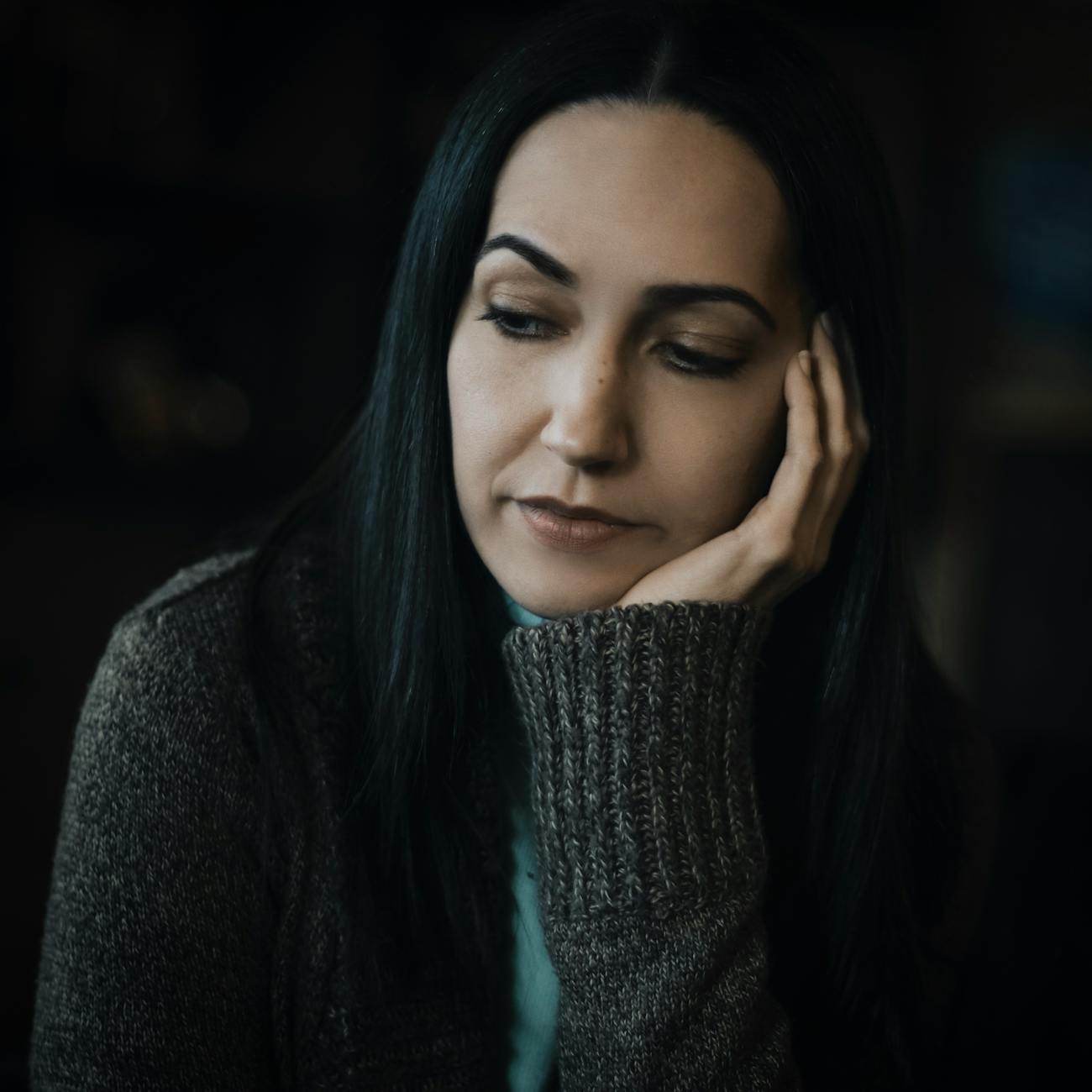
Savannah is struggling with her recent diagnosis, her doubts and the struggle with her faith. She was a church girl who attended church all of her life and has always had her faith in tact. A few weeks ago, Savannah was diagnosed with breast cancer and recently began chemotherapy. She was optimistic as she tapped into her faith believing that she was going through a phase which was just a setback in her health. Interestingly, Savannah was engaged to her longtime boyfriend Karl and was looking forward to planning their wedding. She had her bridal magazines, her pen and her daily planner, along with her iPad to work on during her chemotherapy treatments. She was all prayed up and was encouraged by the survivor stories that she had heard.

Photo by Ken Ozuna on Pexels.com

The one thing that she was not prepared for was how awful and weak she would feel after treatment. She heard from other survivors who said that they had treatment during work hours (lunch) and continued to work through their treatment. She knew that she would not be able to work, at least not now. She worried that she would not be able to make it through her treatments. Slowly, the doubts began to build up.

Savannah questioned her faith. She prayed, she had prayer warriors praying for her. She believed in the power of prayer but now she with every treatment, she felt weaker and weaker. Her hair began to fall out in clumps, the texture of her skin changed and she no longer answered her phone or respond to the text messages from her family, friends and coworkers. Although she would check in on her social media accounts, she no longer posted or engaged with others. She broke down and cried while looking at the photos of others having a great time. She became emotionally overwhelmed when she saw some photos of her friend Char’s husband celebrating her birthday. It was an extravagant affair, he surprised her and all of their family and friends were there. Savannah was invited and had planned to attend. She RSVP’d well in advance of her cancer diagnosis. Now, here she was watching life go on without her. She wondered whether she would see another birthday. Would she marry her best friend? Will they be able to have a family?

Photo by Skitterphoto on Pexels.com

Karl was there for her reassuring Julia that they will get married. He wanted her to be his wife as she was the love of his life. He believed that she would be healed. He prayed and trusted in his prayers. He noticed that Savannah was not like herself. She was outgoing, ready to hang out with their friends and now she was often in bed, the curtains drawn, watching movies and checking on her friends by looking at their social media posts. She rarely responded to the friendly check in from her friends on her page even though she read them.

Determined to make Savannah feel better, Karl encouraged her to seek counseling. She reluctantly agreed. She began to question whether going to counseling meant that she was not trusting or believing in God. She wondered if she would be judged for her lack of faith. Savannah knew that she was not feeling like herself but wondered if she got back into her social circles, church and getting out more often – she would begin to feel better. However, Karl convinced her that counseling would be great for her. In fact, he offered to go with her and sit in with her whenever she needed him.

Although the counseling helped, the feeling of failing to have faith lingered. Savannah has completed her treatment and is waiting for the results. She hopes that it will be all clear. She is looking forward to moving forward with her life and marrying her best friend – Karl.