There are so many reasons why some people dread the Holiday season. Let’s explore the list as it is not the same for everyone and feel free to add your comments about other ways you find helpful to get through the Holiday season.

SOLUTIONS Cancer Resource Center, Inc.
Empowering patients to be actively engaged in their cancer care
There are so many reasons why some people dread the Holiday season. Let’s explore the list as it is not the same for everyone and feel free to add your comments about other ways you find helpful to get through the Holiday season.

In 1964, the US Surgeon General wrote a report that indicated the dangers of smoking stating that the nicotine and tar found in cigarettes causes lung cancer. As a result, Congress passed an act that cigarettes should be labeled with a warning (Cigarette Labeling and Advertising Act). The label showed: Cigarettes may be hazardous to your health.
Over the years the tobacco companies tried to make adjustments to the amount of nicotine and tar, improving the filters with the intentions of allaying the fears of the consumer. However, the truth is there was still a health concern. In the 1980’s the companies had to place these warnings every three months on the cigarette boxes.

Since then many efforts have been made to discourage smoking. Smoking bans have reached hotels, planes, restaurants, bars, pubs and clubs. Some employers even banned smoking not only in the offices but also anywhere near the office building. These attempts only infuriated the smokers but in now way did it deter them from smoking. After all they have may seen their loved ones die of lung cancer, watched the price increase of cigarettes go up to $14.50 and yet they would scrape their change together and purchase the cigarettes.
In and effort to make and impact the Food & Drug Administration launched a campaign that some may call a bit too graphic but I wonder, does it even matter?

WARNING: Cigarettes are addictive.
Tobacco use can rapidly lead to the development of nicotine addiction, which in turn increases the frequency of tobacco use and prevents people from quitting. Research suggests that nicotine is as addictive as heroin, cocaine, or alcohol.

WARNING: Tobacco smoke can harm your children.
Secondhand smoke can cause serious health problems in children. Children who are exposed to secondhand smoke are inhaling many of the same cancer-causing substances and poisons as smokers.

WARNING: Cigarettes cause fatal lung disease.
Smoking causes lung diseases such as emphysema, bronchitis, and chronic airway obstruction. About 90 percent of all deaths from chronic obstructive lung disease are caused by smoking.

WARNING: Cigarettes cause cancer.
Smoking causes approximately 90 percent of all lung cancer deaths in men and 80 percent of all lung cancer deaths in women. Smoking also causes cancers of the bladder, cervix, esophagus, kidney, larynx, lung, mouth, throat, stomach, uterus, and acute myeloid leukemia. Nearly one-third of all cancer deaths are directly linked to smoking.

WARNING: Cigarettes cause strokes and heart disease.
More than 140,000 deaths from heart disease and stroke in the United States are caused each year by smoking and secondhand smoke exposure. Compared with nonsmokers, smoking is estimated to increase the risk of coronary heart disease and stroke by 2 to 4 times.

WARNING: Smoking during pregnancy can harm your baby.
Smoking during pregnancy can increase the risk of miscarriage, stillborn or premature infants, infants with low birth weight and an increased risk for sudden infant death syndrome (SIDS).

WARNING: Smoking can kill you.
More than 1,200 people a day are killed by cigarettes in the United States alone, and 50 percent of all long-term smokers are killed by smoking-related diseases. Tobacco use is the cause of death for nearly one out of every five people in the United States, which adds up to about 443,000 deaths annually.

WARNING: Tobacco smoke causes fatal lung disease in nonsmokers.
Nonsmokers who are exposed to secondhand smoke are inhaling many of the same cancer-causing substances and poisons as smokers. Nonsmokers who are exposed to secondhand smoke increase their risk of developing lung cancer by 20–30 percent.

WARNING: Quitting smoking now greatly reduces serious risks to your health.
Quitting at any age and at any time is beneficial. It’s never too late to quit, but the sooner the better. Quitting gives your body a chance to heal the damage caused by smoking.
There is no better day than today to quit smoking cigarettes and reclaim your health and well-being. Each cigarette you put out permanently reduces your risk of developing serious illnesses like cancer, heart disease, and respiratory problems. Quitting now, no matter how long you’ve smoked, significantly improves your health outcomes, allowing you to breathe easier, have more energy, and enjoy a longer, healthier life.
Remember, you are not alone in this journey, and there is ample support available. Resources such as the CDC’s Quitline (1-800-QUIT-NOW), Smokefree.gov, and the American Lung Association offer free and proven methods, from counseling and support groups to nicotine replacement therapies, all designed to empower you to break free from nicotine addiction and embrace a smoke-free future starting today.

We recently entered the season where the daylight savings time has caused us to turn our clocks back an hour to adjust to the longer days without the sun, and in comes SAD. Seasonal Affective Disorder (SAD) is a type of depression that occurs seasonally, primarily during the fall and winter months. This condition can significantly impact a person’s mood, energy levels, and overall well-being. While the exact cause of SAD is not fully understood, it is believed to be linked to reduced exposure to sunlight and changes in the body’s internal clock.

Let’s take a good look at the symptoms
Symptoms of SAD can vary from mild to severe and may include:
How do we cope?

While SAD can be challenging, there are effective strategies to manage its symptoms. There is light therapy that can help regulate your body’s internal clock and improve your mood. Have you considered engaging in physical activity. Take a brisk walk, turn on YouTube find a yoga class – it has proven to boost your energy levels and reduce feelings of depression. In addition, practices like meditation, mindfulness, and deep breathing can help reduce stress and anxiety. Consider spending time with loved ones and participating in social activities can alleviate feelings of loneliness and isolation. The diet is also key, eating a balanced diet rich in fruits, vegetables, and whole grains can support your overall well-being.

However, if symptoms are severe, consider seeking professional help from a mental health professional. They can provide therapy, medication, or a combination of both to manage SAD effectively. The ultimate goal is to discover ways for individuals with SAD to improve their quality of life and navigate the challenges of the darker months.
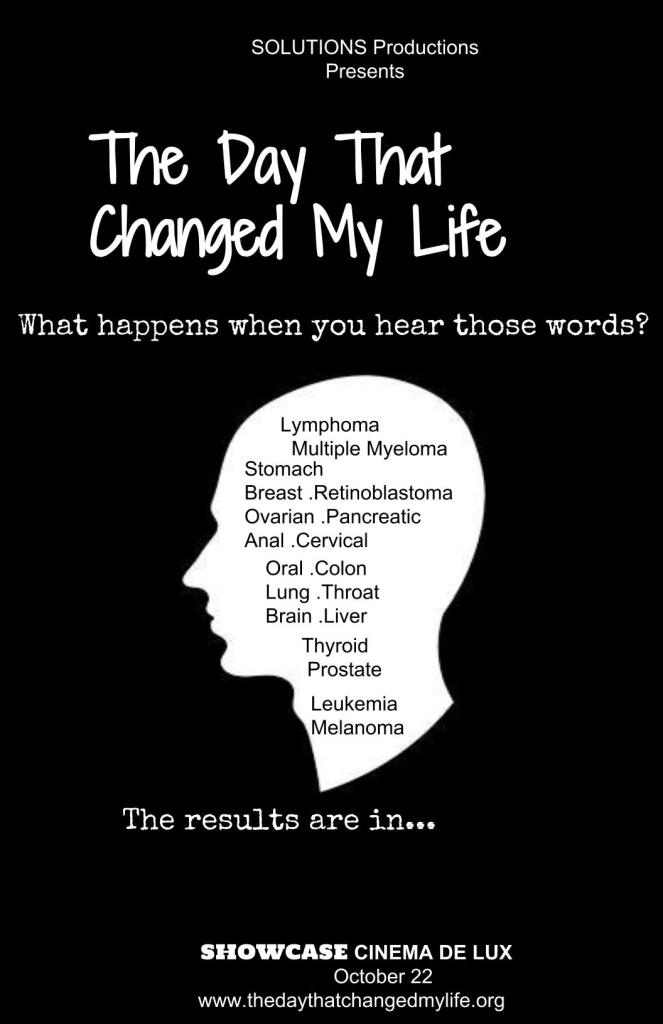
“The Day That Changed My Life: Cancer – An Uncertain Journey” offers a raw and honest portrayal of the challenges and triumphs faced by individuals battling cancer. Available on Amazon Prime and Audible as the live theatrical play, documentary, and audiobooks. These compelling narratives provide a deeply personal perspective on the emotional, physical, and psychological impact of this disease.
Through a powerful blend of storytelling and multimedia, this production explores the complexities of a cancer diagnosis, the arduous journey of treatment, and the enduring hope that sustains patients and their loved ones. By sharing personal experiences and insights, hearing from the parents whose child has been diagnosed with cancer, the wife breaking the news to her husband, the best friends, and how it impacts the clergy – the creators of this project aim to raise awareness, provide support, and inspire others facing similar challenges.
Whether you’re a cancer survivor, caregiver, or simply someone seeking inspiration, “The Day That Changed My Life: Cancer – An Uncertain Journey” offers a poignant and thought-provoking exploration of the human spirit in the face of adversity.
Consider hosting a watch party with friends and family to discuss the story and its impact. You could also join or start a support group to connect with others who have been affected by cancer.

By sharing this story, we can raise awareness, break down stigma, and offer support to those navigating the challenges of cancer.

As October comes to a close, we recognize that the awareness continues. Somewhere, someone is hearing those words – you have cancer. This month is recognized globally as Breast Cancer Awareness Month, a time to raise awareness, support research, and celebrate survivors. Over the years, significant strides have been made in the fight against breast cancer, leading to improved detection, treatment, and survival rates.

Early detection remains crucial in the battle against breast cancer. Regular mammograms and clinical breast exams can help identify cancer at its earliest stages, when treatment is most effective. Women of all ages, especially those with a family history of breast cancer, should prioritize regular screenings.
While significant progress has been made, disparities in breast cancer rates and outcomes persist among different racial and ethnic groups. It’s essential to address these disparities through targeted outreach, education, and access to quality healthcare.
Breast cancer treatment can be physically and emotionally demanding for both patients and their caregivers. Support groups, counseling services, and community resources can provide invaluable assistance during this challenging time.
Continued research is vital to developing new and improved treatments for breast cancer. By supporting research initiatives, we can help bring hope to millions of people affected by this disease.
Final Word:
Let us continue to work together – we can make a difference in the lives of those affected by breast cancer and move closer to a future without this disease.

The diagnosis of cancer casts a long, dark shadow over one’s life. It is a time of uncertainty, fear, and profound change. While the support of loved ones can be a lifeline during this tumultuous period, the emotional toll of cancer can sometimes strain even the closest of relationships.
For me, the diagnosis was a devastating blow. As I grappled with the implications of my illness, I turned to my best friend, hoping for unwavering support. However, as the weeks turned into months, I began to notice a subtle shift in our dynamic. She was still there, offering kind words and well wishes, but I couldn’t shake the feeling that something was amiss.

Initially, I attributed her behavior to her own coping mechanisms. Cancer is a difficult topic to navigate, and perhaps she was struggling to process my diagnosis. But as time went on, the distance between us grew. Our once lively conversations became strained, and her visits became less frequent.
I found myself questioning her friendship. Had she grown tired of my constant reminders of my illness? Was she afraid of facing her own mortality through my experience? Or was she simply overwhelmed by the emotional weight of the situation?
The truth is, I don’t know the answer. And perhaps it doesn’t matter. What matters is that I am feeling a profound sense of loneliness and isolation, even amidst the outpouring of love and support from others.

It’s a painful realization that even the strongest bonds can be tested in the face of adversity. As I continue to navigate the complexities of my illness, I am learning to accept that sometimes, even the closest of friends may struggle to offer the support we need.
Perhaps it’s time to redefine what friendship means in the context of cancer. Maybe it’s not about being there every step of the way, but about being present when you’re needed most. Perhaps it’s about understanding that sometimes, silence is the greatest form of support.
As I move forward, I will continue to reach out to my friend, hoping that over time, we can find a way to reconnect and rebuild our bond. But I will also embrace the possibility that our relationship may have changed forever. And that’s okay.
In the end, the most important thing is to focus on my own well-being and to find solace in the love and support of those who truly care.


July is Sarcoma Awareness Month so let’s discuss – sarcoma may not be a household name, but it’s a critical topic when discussing overall health. Sarcomas are cancers that arise in the body’s connective tissues, including bones, muscles, cartilage, and fat. While less common than other cancers like skin cancer, early detection is crucial for successful treatment.

Here’s why we need to shine a light on sarcoma:
We often say early detection saves lives. It is important to note that sarcomas often don’t cause noticeable symptoms especially in the early stages. Being aware of potential warning signs like lumps, swelling, or persistent pain in the bones or muscles is key. Regular check-ups with your doctor and openness about any changes you experience are crucial for early diagnosis.
Switch over to a bright note as sun safety also plays a role. While not all sarcomas are directly linked to sun exposure, protecting your skin is always a good idea. Limiting UV exposure, wearing sunscreen with SPF 30 or higher, and seeking shade during peak sun hours can help reduce your risk of various skin cancers, which are a type of sarcoma.
Above all, knowledge is power. Educating yourself about sarcoma symptoms and risk factors empowers you to advocate for your health. Don’t hesitate to ask questions during doctor visits and express any concerns you may have.
Let’s move beyond just protecting our skin from the sun. By being aware of sarcoma symptoms and seeking early detection, we can take control of our health and empower ourselves to live healthier lives.


Get your spectacles and let us get into this very important subject – vaping.
Vaping, the act of inhaling and exhaling the aerosol produced by an electronic cigarette (e-cigarette), exploded in popularity over the past decade. Marketed as a “cleaner” alternative to traditional cigarettes, these devices have become ubiquitous, particularly among young adults. However, the initial allure of flavored vapes and the lack of long-term research cast a long shadow over their safety.

One of the primary drivers of vaping’s appeal lies in its flavor variety. Unlike traditional cigarettes with their singular, often harsh taste, vapes come in a seemingly endless array of flavors – from sweet candy and fruity concoctions to minty fresh and even dessert-inspired options. This diversity, particularly those mimicking familiar candies and fruits, can be especially enticing to young people, creating a gateway to potential addiction. The flavors often mask the harshness associated with nicotine, making it easier to initiate and sustain vaping habits.

While e-cigarettes may not contain tobacco itself, the aerosol they produce is not harmless. It can contain a complex mix of chemicals, including ultrafine particles, heavy metals, and volatile organic compounds (VOCs). The long-term health effects of inhaling this cocktail remain largely unknown. Studies are ongoing, but the relatively short history of vaping makes it difficult to definitively assess its impact on lung health and the potential for cancer development.

Recent research suggests a potential correlation between vaping and an increased risk of lung cancer. Studies have identified concerning precancerous changes in the lungs of young people who vape. Additionally, some studies have found a link between vaping and an increased risk of specific lung cancers, although the evidence is still evolving. While more research is needed to establish a definitive cause-and-effect relationship, these findings raise serious alarms.

The potential dangers of vaping extend beyond cancer. Emerging evidence suggests it may also contribute to respiratory illnesses like bronchitis and asthma. Additionally, the nicotine content in most vapes can be highly addictive, leading to dependence and withdrawal symptoms.
Vaping presents a complex issue. More research is needed to fully understand the long-term health effects. However, the existing evidence raises red flags. For young people, the potential for addiction and impaired brain development is a significant concern. Adults seeking to quit smoking should explore established and evidence-based methods with the support of a healthcare professional. Ultimately, responsible choices and informed decisions are paramount when navigating the world of vaping.

The challenge is that the popularity of vaping, particularly among young people, necessitates a multi-pronged approach. Stricter regulations on flavorings and marketing are crucial to curb the appeal of these products. Increased public education campaigns are essential to raise awareness about the potential health risks. The emphasis for further research remains paramount to definitively understanding the long-term consequences of vaping on human health.
Vaping may have emerged as a potential alternative, but the lingering cloud of uncertainty surrounding its health effects demands a cautious approach. By prioritizing research, implementing stricter regulations, and promoting awareness, we can work towards a clearer future where informed choices, not enticing flavors, guide our health decisions.

Life, it seems, is a relentless teacher. Over the years, the lessons etched into my soul have not come from textbooks, but from the raw experiences of serving within my community. My journey began with a fervent mission – to educate about the importance of early detection through cancer screenings and preventive measures. Countless workshops, community forums, and one-on-one conversations fueled my belief that knowledge was power in the fight against this relentless disease.
Yet, a stark reality emerged. Most encounters were with those already facing the storm, diagnosed with cancer, often at an advanced stage. This realization stung. The very people I aimed to empower were coming in when options dwindled. It ignited a new passion within me – to be the steadfast presence for families navigating the treacherous waters of diagnosis, treatment, and hospitalization.

My role is being the expert, the advocate, the one who deciphered medical jargon and guided through baffling bureaucratic hurdles. Yet, the weight of that role became painfully evident when my brother succumbed to cancer just four weeks and four days after his diagnosis. The feeling of failure, the helplessness, lingers to this day.
But grief, it turned out, was not the endpoint. Instead, it fueled a fierce determination in my approach to my sister, burdened by the same family history. Here, vigilance became my mantra. Early detection, constant monitoring, a proactive approach – these became the cornerstones of our fight. This journey emphasized the importance of empowering patients and families to be active participants in their own healthcare. It is not just about information; it is about ownership, about feeling heard and understood.
Despite advancements in research and treatment, the harsh truth remains – minority communities grapple with disproportionately high cancer mortality rates. This disparity is unacceptable. My voice echoes not only within the community, but also in the halls of research institutions and government offices. I am a bridge between the battlefield of disease and the architects of solutions. I advocate for affordable, accessible healthcare, for increased funding for research, and for a system that truly serves the needs of all.
The lessons continue to unfold. Serving my community isn’t just about offering knowledge or navigating the healthcare system. It’s about advocating for change, for a world where early detection truly empowers, where the advancements in research touch all lives, not just some. This is the fire that burns within me, a fire that compels me to be the voice for those who have not found theirs, a voice echoing in the halls of power and whispering alongside patients as they chart their course.
The fight continues.
Today, I would like to share about a topic that may not be the most comfortable, but it’s undeniably important: Colorectal cancer, also known as colon cancer.
Cancer, in any form, is a daunting word. But unlike many cancers, colorectal cancer is highly treatable – especially when caught early. Early detection is truly our weapon of choice in this battle.
Let us begin with understanding or at least explaining what colon cancer is. It starts with polyps, small growths that form on the inner lining of the colon or rectum. While most polyps are benign, some can develop into cancer over time. That’s why screening is crucial.
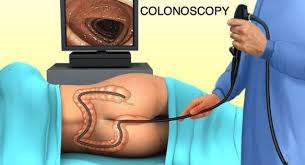
You may be wondering, what does the screening process looks like? There are several effective options, including colonoscopies, stool tests, and sigmoidoscopies. Each method has its advantages and disadvantages, so it’s important to talk to your doctor about the best option for you.
The American Cancer Society recommends starting regular screenings at age 45 for people at average risk. However, certain factors like family history or inflammatory bowel disease may necessitate earlier screenings.
While it doesn’t discriminate, African Americans are more likely to be diagnosed at a younger age and have higher mortality rates. Additionally, people with a family history of the disease are at an increased risk.
Colorectal cancer is the second leading cause of cancer deaths in the United States. However, there’s a silver lining. When detected early, the five-year survival rate for colorectal cancer is over 90%. Early detection truly makes a world of difference.
Imagine a loved one – a parent, a sibling, a friend. Early detection could be the difference between saying goodbye and celebrating many more years together.
The Point Is….
We all have a role to play in being vigilant as it relates to our health and well-being. By taking action, by getting screened, we can turn the tide on colorectal cancer. Let’s make every step count – together.
 SOLUTIONS Cancer Resource Center, Inc.