Does It Even Matter?

In 1964, the US Surgeon General wrote a report that indicated the dangers of smoking stating that the nicotine and tar found in cigarettes causes lung cancer. As a result, Congress passed an act that cigarettes should be labeled with a warning (Cigarette Labeling and Advertising Act). The label showed: Cigarettes may be hazardous to your health.

Over the years the tobacco companies tried to make adjustments to the amount of nicotine and tar, improving the filters with the intentions of allaying the fears of the consumer. However, the truth is there was still a health concern. In the 1980’s the companies had to place these warnings every three months on the cigarette boxes.

Since then many efforts have been made to discourage smoking. Smoking bans have reached hotels, planes, restaurants, bars, pubs and clubs. Some employers even banned smoking not only in the offices but also anywhere near the office building. These attempts only infuriated the smokers but in now way did it deter them from smoking. After all they have may seen their loved ones die of lung cancer, watched the price increase of cigarettes go up to $14.50 and yet they would scrape their change together and purchase the cigarettes.

In and effort to make and impact the Food & Drug Administration launched a campaign that some may call a bit too graphic but I wonder, does it even matter?

WARNING: Cigarettes are addictive.
Tobacco use can rapidly lead to the development of nicotine addiction, which in turn increases the frequency of tobacco use and prevents people from quitting. Research suggests that nicotine is as addictive as heroin, cocaine, or alcohol.

WARNING: Tobacco smoke can harm your children.
Secondhand smoke can cause serious health problems in children. Children who are exposed to secondhand smoke are inhaling many of the same cancer-causing substances and poisons as smokers.

WARNING: Cigarettes cause fatal lung disease.
Smoking causes lung diseases such as emphysema, bronchitis, and chronic airway obstruction. About 90 percent of all deaths from chronic obstructive lung disease are caused by smoking.

WARNING: Cigarettes cause cancer.
Smoking causes approximately 90 percent of all lung cancer deaths in men and 80 percent of all lung cancer deaths in women. Smoking also causes cancers of the bladder, cervix, esophagus, kidney, larynx, lung, mouth, throat, stomach, uterus, and acute myeloid leukemia. Nearly one-third of all cancer deaths are directly linked to smoking.

WARNING: Cigarettes cause strokes and heart disease.
More than 140,000 deaths from heart disease and stroke in the United States are caused each year by smoking and secondhand smoke exposure. Compared with nonsmokers, smoking is estimated to increase the risk of coronary heart disease and stroke by 2 to 4 times.

WARNING: Smoking during pregnancy can harm your baby.
Smoking during pregnancy can increase the risk of miscarriage, stillborn or premature infants, infants with low birth weight and an increased risk for sudden infant death syndrome (SIDS).

WARNING: Smoking can kill you.
More than 1,200 people a day are killed by cigarettes in the United States alone, and 50 percent of all long-term smokers are killed by smoking-related diseases. Tobacco use is the cause of death for nearly one out of every five people in the United States, which adds up to about 443,000 deaths annually.

WARNING: Tobacco smoke causes fatal lung disease in nonsmokers.
Nonsmokers who are exposed to secondhand smoke are inhaling many of the same cancer-causing substances and poisons as smokers. Nonsmokers who are exposed to secondhand smoke increase their risk of developing lung cancer by 20–30 percent.

WARNING: Quitting smoking now greatly reduces serious risks to your health.
Quitting at any age and at any time is beneficial. It’s never too late to quit, but the sooner the better. Quitting gives your body a chance to heal the damage caused by smoking.

There is no better day than today to quit smoking cigarettes and reclaim your health and well-being. Each cigarette you put out permanently reduces your risk of developing serious illnesses like cancer, heart disease, and respiratory problems. Quitting now, no matter how long you’ve smoked, significantly improves your health outcomes, allowing you to breathe easier, have more energy, and enjoy a longer, healthier life.

Remember, you are not alone in this journey, and there is ample support available. Resources such as the CDC’s Quitline (1-800-QUIT-NOW), Smokefree.gov, and the American Lung Association offer free and proven methods, from counseling and support groups to nicotine replacement therapies, all designed to empower you to break free from nicotine addiction and embrace a smoke-free future starting today.

Putting the Spotlight on Lung Cancer

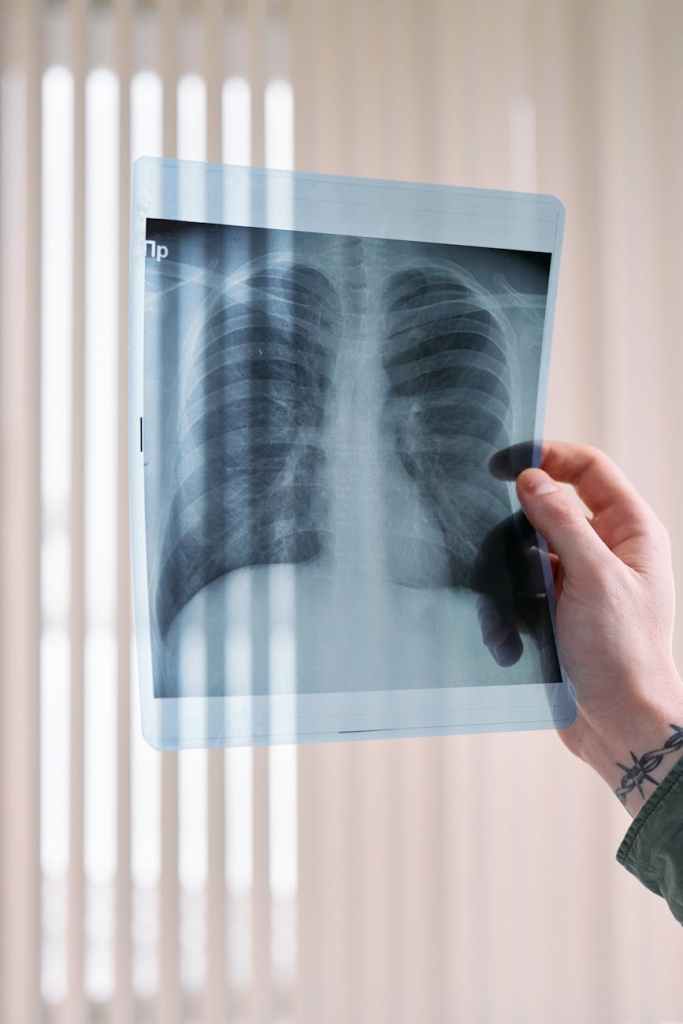
Today, as we observe World Lung Cancer Day, it is imperative to shed light on this formidable disease. Lung cancer, often insidious in its onset, remains a leading cause of cancer-related deaths globally. The disease disproportionately affects specific demographics, underscoring the importance of targeted prevention and early detection efforts.  

Symptoms of lung cancer can be subtle and often mimic those of common ailments, making early detection a challenge. A persistent cough, chest pain, shortness of breath, and blood in sputum are among the most common indicators. However, it’s crucial to remember that these symptoms can also be attributed to other conditions. Therefore, regular check-ups and prompt medical attention for any persistent or unusual symptoms are vital.  

Smoking remains the primary risk factor for lung cancer. Yet, it’s essential to dispel the myth that only smokers are at risk. Exposure to secondhand smoke, radon, asbestos, and certain chemicals can also increase the likelihood of developing this disease. This underscores the importance of comprehensive public health strategies to address both smoking cessation and environmental factors.  

Treatment options for lung cancer have advanced significantly in recent years, including surgery, chemotherapy, radiation therapy, targeted therapy, and immunotherapy. Early detection significantly improves the chances of successful treatment. Therefore, raising awareness, promoting early screening, and encouraging healthy lifestyle choices are critical steps in combating this deadly disease.  

World Lung Cancer Day serves as a poignant reminder of the importance of prioritizing lung health. By understanding the risks, recognizing the symptoms, and advocating for early detection, we can work towards a future where lung cancer is no longer a leading cause of death.

*References:

World Health Organization. (n.d.). Lung cancer. Retrieved from https://www.who.int/news-room/fact-sheets/detail/lung-cancer

American Cancer Society. (n.d.). Lung Cancer. Retrieved from https://www.cancer.org/cancer/types/lung-cancer/about.html

National Cancer Institute. (n.d.). Lung Cancer Treatment (PDQ®)–Patient Version. Retrieved from https://www.cancer.gov/types/lung/hp

The Unexpected Start of 2024


It was the first Sunday of the New Year! Awakened by an intense pain, she knew she would not make it to church. It was much too much. She had to get to the hospital, her husband got the car. It was very early, still dark, the sun had not yet appeared. In fact, the forecast of a snow storm was expected that day. The drive to the Emergency Department brought a great sense of relief as the pain would be taken care of.

The sterile white walls of the emergency room seemed to hum with fluorescent light, amplifying the thudding rhythm of Stephanie’s heart. Her back, the culprit of her visit, throbbed a dull counterpoint. But it was the doctor’s words, echoing in the sterile air, that truly stole her breath: “Two small nodules on your lung” the words echoing in the cavernous space of her skull. Small, he’d said. But the word echoed like a thunderclap, each syllable reverberating with uncertainty.

Stephanie, ever the pragmatist, had nodded politely, the news seemingly bouncing off her carefully constructed shield of composure. She’d asked clarifying questions, her voice betraying no hint of the tremor in her hands.

She’d come for the back pain, a nagging ache that had morphed into a sharp, unwelcome guest. But the CT scan, meant to reveal kidney stones or a pinched nerve, had unearthed something far more unsettling. Nodules. The word hung heavy, its weight threatening to crush the carefully constructed facade of calm she’d presented to the doctor.

In the quiet solitude of the examination room, the mask slipped. The ache in her back was forgotten, replaced by a chilling emptiness in her chest. Two nodules. What did they mean? Were they shadows, harmless wisps on her scan, or ominous portents of something worse?

Her mind, once a whirlwind of deadlines and errands, became a hurricane of possibilities. Images flashed, each one a grimmer echo of the last: needles glinting in sterile hands, hushed voices in sterile hallways, waiting rooms filled with the ghosts of unspoken anxieties.

The doctor’s reassurances, delivered with practiced optimism, felt like whispers in a storm. “Further tests, of course,” he’d said, “but try not to worry.” Try not to worry. Easier said than done when the future seemed to stretch before her, a vast, uncharted ocean, dotted with the treacherous reefs of “what ifs.”

She forced a smile for the nurse. The world outside seemed to have muted its colors, the vibrant reds and greens of the city park across the street replaced by a monochrome palette of fear.

The hours that followed were an eternity of waiting, of stealing glances at the clock, of replaying the doctor’s words in her head like a broken record. Each creak of the door, each hurried step in the hallway, sent her heart into a frantic dance.

But amidst the fear, a flicker of defiance. This wasn’t the end. Not yet. She would face this, this unwelcome shadow lurking in her lungs, with the same grit she’d faced every other challenge life had thrown her way.

She closed her eyes, picturing her grandmother and mother, recalling the foundation of faith, their prayers and resilience. They faced many challenges throughout their lives. “Life is a tapestry, Stephanie,” mother once said, her voice dramatically animated, “woven with threads of joy and sorrow, light and dark. But it’s up to you to choose the color of the final stitch.”

And so, Stephanie chose defiance. She would weave this thread, this dark, unexpected thread, into the tapestry of her life. It wouldn’t define her, wouldn’t erase the vibrant colors of her past or dim the possibilities of her future. It would be a challenge, a hurdle, but one she would face with courage, with hope, with the unwavering belief that even in the shadow of uncertainty, the final stitch could still be a thread of light.

As the day seemed over, the dark dreary clouds created a complete covering of the sky, as though it aligned with the unexpected news of the day. Taking a short walk to the car, still in pain, the earlier hopes of leaving the Emergency Department with some relief were dashed. Stephanie felt a shift within her. The fear was still there, a cold ember in her chest, but it was no longer the only thing she felt. There was defiance, a quiet resolve, a determination to weave this unexpected thread into a story of resilience, of facing the unknown with courage and grace.

The doctor’s referral would bring answers, some definitive, some shrouded in the grey fog of further tests. But for now, Stephanie found solace in the quiet strength that had risen within her. She would face this, she would fight, and she would, one stitch at a time, weave a tapestry of hope, even in the shadow of two small, ominous nodules.

The Guilt of Being A Caregiver to Someone You Should Love

It can be difficult caring for a loved one who is ill – more so when the loved one shows no love

I never thought of myself as a caregiver. I just knew that I had to be there to take care of my mother. She was going through a rough time facing lung cancer, it was rough for the both of us. I am mixed with emotions. My mother and I did not have a good relationship. She was a mean woman who yelled at me as long as I can remember for just about everything. Here I am dropping everything, canceling plans with my friends, spending time with a woman who rarely showed me any love. I’m still not sure that she even loves me. I am taking her to her doctors appointments, helping her to get dressed and undressed, making sure that she has her favorite foods, spending time with her and she is still nasty and mean. She is never satisfied. She is always complaining. She wants a cigarette, I say no and she calls me an evil bitch.

My life is now filled with resentment, I want to walk away. I want to leave her, for her to see what it is like to be alone with no one there to deal with her misery. I resent that my friends try to empathize with her, suggesting that it’s because of her illness. No, it is not. If she was a nice person when I was a kid then I would understand that might be the case, but she’s such a nasty person before lung cancer. 

One night, the phone rang. I noticed that it was my mother calling, I looked at it while it rang. I am trying to decide whether I should answer her call. I am so angry at her for needing me. 

Lia Y

Caregiver

excerpt from upcoming book The Day That Changed My Life – Cancer an uncertain journey