Are You SAD?

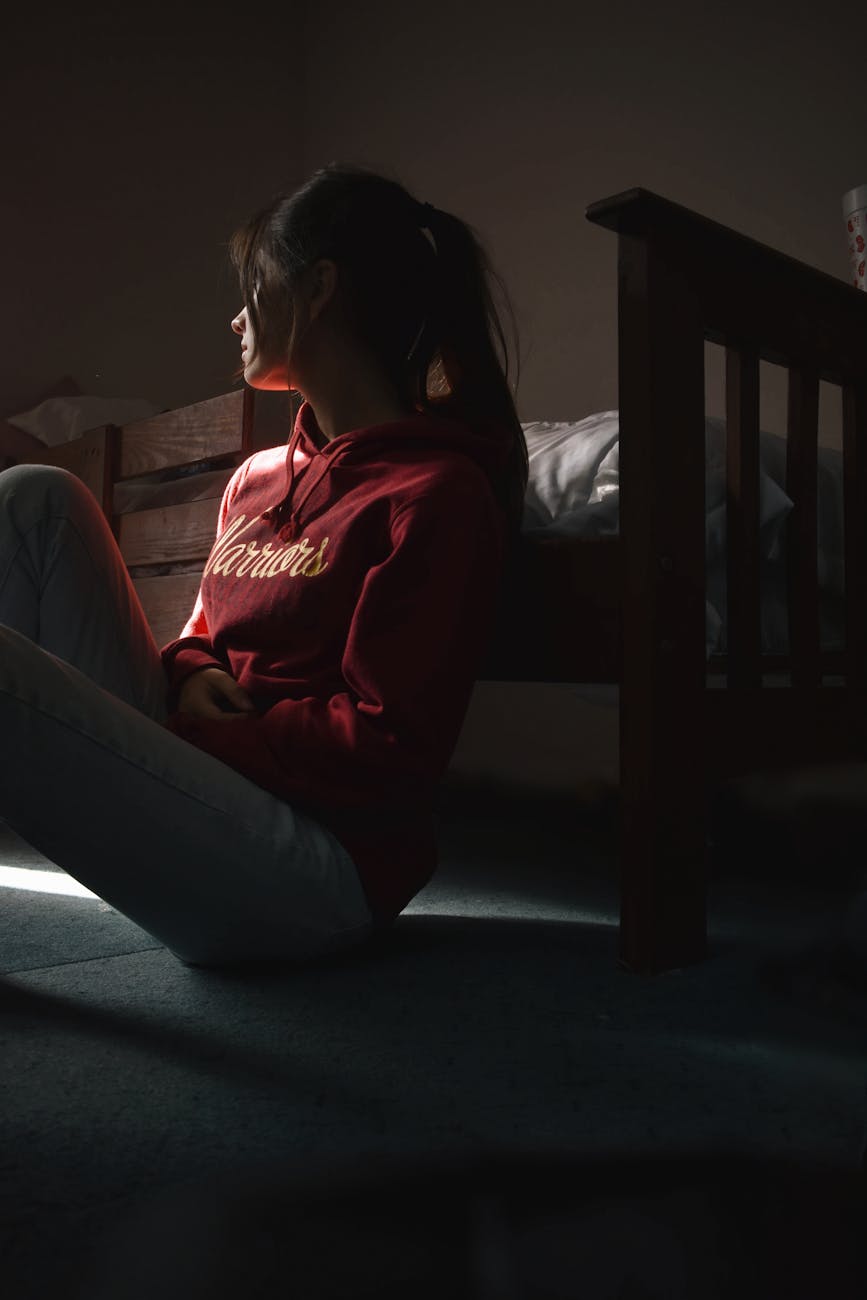
We recently entered the season where the daylight savings time has caused us to turn our clocks back an hour to adjust to the longer days without the sun, and in comes SAD. Seasonal Affective Disorder (SAD) is a type of depression that occurs seasonally, primarily during the fall and winter months. This condition can significantly impact a person’s mood, energy levels, and overall well-being. While the exact cause of SAD is not fully understood, it is believed to be linked to reduced exposure to sunlight and changes in the body’s internal clock.

Let’s take a good look at the symptoms

Symptoms of SAD can vary from mild to severe and may include:

  • Persistent feelings of sadness and hopelessness
  • Loss of interest in activities once enjoyed
  • Changes in appetite, often leading to weight gain
  • Fatigue and low energy levels
  • Difficulty concentrating
  • Sleep disturbances, such as insomnia or excessive sleepiness
  • Social withdrawal and irritability

How do we cope?

While SAD can be challenging, there are effective strategies to manage its symptoms. There is light therapy that can help regulate your body’s internal clock and improve your mood. Have you considered engaging in physical activity. Take a brisk walk, turn on YouTube find a yoga class – it has proven to boost your energy levels and reduce feelings of depression. In addition, practices like meditation, mindfulness, and deep breathing can help reduce stress and anxiety. Consider spending time with loved ones and participating in social activities can alleviate feelings of loneliness and isolation. The diet is also key, eating a balanced diet rich in fruits, vegetables, and whole grains can support your overall well-being.

However, if symptoms are severe, consider seeking professional help from a mental health professional. They can provide therapy, medication, or a combination of both to manage SAD effectively. The ultimate goal is to discover ways for individuals with SAD to improve their quality of life and navigate the challenges of the darker months.

Tough Task: Leading, Learning and Making An Impact

Life, it seems, is a relentless teacher. Over the years, the lessons etched into my soul have not come from textbooks, but from the raw experiences of serving within my community. My journey began with a fervent mission – to educate about the importance of early detection through cancer screenings and preventive measures. Countless workshops, community forums, and one-on-one conversations fueled my belief that knowledge was power in the fight against this relentless disease.

Yet, a stark reality emerged. Most encounters were with those already facing the storm, diagnosed with cancer, often at an advanced stage. This realization stung. The very people I aimed to empower were coming in when options dwindled. It ignited a new passion within me – to be the steadfast presence for families navigating the treacherous waters of diagnosis, treatment, and hospitalization.

My role is being the expert, the advocate, the one who deciphered medical jargon and guided through baffling bureaucratic hurdles. Yet, the weight of that role became painfully evident when my brother succumbed to cancer just four weeks and four days after his diagnosis. The feeling of failure, the helplessness, lingers to this day.

But grief, it turned out, was not the endpoint. Instead, it fueled a fierce determination in my approach to my sister, burdened by the same family history. Here, vigilance became my mantra. Early detection, constant monitoring, a proactive approach – these became the cornerstones of our fight. This journey emphasized the importance of empowering patients and families to be active participants in their own healthcare. It is not just about information; it is about ownership, about feeling heard and understood.

Despite advancements in research and treatment, the harsh truth remains – minority communities grapple with disproportionately high cancer mortality rates. This disparity is unacceptable. My voice echoes not only within the community, but also in the halls of research institutions and government offices. I am a bridge between the battlefield of disease and the architects of solutions. I advocate for affordable, accessible healthcare, for increased funding for research, and for a system that truly serves the needs of all. 

The lessons continue to unfold.  Serving my community isn’t just about offering knowledge or navigating the healthcare system. It’s about advocating for change, for a world where early detection truly empowers, where the advancements in research touch all lives, not just some. This is the fire that burns within me, a fire that compels me to be the voice for those who have not found theirs, a voice echoing in the halls of power and whispering alongside patients as they chart their course. 

The fight continues.